

 搜索
搜索
第14页
- 第2页
- 第3页
- 第4页
- 第5页
- 第6页
- 第7页
- 第8页
- 第9页
- 第10页
- 第11页
- 第12页
- 第13页
- 第14页
- 第15页
- 第16页
- 第17页
- 第18页
- 第19页
- 第20页
- 第21页
- 第22页
- 第23页
- 第24页
- 第25页
- 第26页
- 第27页
- 第28页
- 第29页
- 第30页
- 第31页
- 第32页
- 第33页
- 第34页
- 第35页
- 第36页
- 第37页
- 第38页
- 第39页
- 第40页
- 第41页
- 第42页
- 第43页
- 第44页
- 第45页
- 第46页
- 第47页
- 第48页
- 第49页
- 第50页
- 第51页
- 第52页
- 第53页
- 第54页
- 第55页
- 第56页
- 第57页
- 第58页
- 第59页
- 第60页
- 第61页
- 第62页
- 第63页
- 第64页
- 第65页
- 第66页
- 第67页
- 第68页
- 第69页
- 第70页
- 第71页
- 第72页
- 第73页
- 第74页
- 第75页
- 第76页
- 第77页
- 第78页
- 第79页
- 第80页
- 第81页
- 第82页
- 第83页
- 第84页
- 第85页
- 第86页
- 第87页
- 第88页
1. ... he was one of the world's greatest scientists. ……他是世界上最伟大的科学家之一。
学“one of+the+形容词最高级+可数名词复
【拓展】“one of+the/one's/形容词性物主代词+可数名词复数”作主语时,谓语动词用单数形式。
用汤姆是我们班最高的男孩之一。
Tom is one of ______ ______ in our class.
学“one of+the+形容词最高级+可数名词复
数
”意为“最……的……之一”。【拓展】“one of+the/one's/形容词性物主代词+可数名词复数”作主语时,谓语动词用单数形式。
用汤姆是我们班最高的男孩之一。
Tom is one of ______ ______ in our class.
答案:
1 the tallest boys
2. Tell us more. 告诉我们更多吧。
学 tell sb. more 意为“告诉某人更多”。
【拓展】tell 的常见搭配还有:tell sb. about sb. / sth. 意为“告诉某人关于某人/某事”;tell sb. (not) to do sth. 意为“告诉某人(不要)做某事”。
用 ①Jack's parents often tell him
②You can tell me
学 tell sb. more 意为“告诉某人更多”。
【拓展】tell 的常见搭配还有:tell sb. about sb. / sth. 意为“告诉某人关于某人/某事”;tell sb. (not) to do sth. 意为“告诉某人(不要)做某事”。
用 ①Jack's parents often tell him
to finish
(finish) his homework on time.②You can tell me
about
your holiday at dinner.(填入一个适当的介词)
答案:
2 ①to finish ②about
3. 【辨析】attend, join 与 take part in
学 (1) attend 指上学、上课,出席会议,参加事件或活动等。attend 也可以意为“陪同,随同;照料”。
(2) join 指参加团体并成为其中一员,宾语为人或组织。
(3) take part in 指积极参加活动,并在活动中起作用。
用 ①Did you
②Yesterday my father
学 (1) attend 指上学、上课,出席会议,参加事件或活动等。attend 也可以意为“陪同,随同;照料”。
(2) join 指参加团体并成为其中一员,宾语为人或组织。
(3) take part in 指积极参加活动,并在活动中起作用。
用 ①Did you
join
(attend/join) the school band yesterday?②Yesterday my father
attended
(attend/take part in) a wedding.
答案:
3 ①join ②attended
4. 【辨析】receive 与 accept
学 (1) receive 意为“收到”,表示客观上收到,不表示主观上是否愿意接受。通常指接收实际的东西,如信件、礼物等。
(2) accept 意为“接受”,表示主观上愿意接受,可以指接受抽象的东西,如想法、表扬、批评、道歉等。
用 ①Henry
②Finally, Mary
学 (1) receive 意为“收到”,表示客观上收到,不表示主观上是否愿意接受。通常指接收实际的东西,如信件、礼物等。
(2) accept 意为“接受”,表示主观上愿意接受,可以指接受抽象的东西,如想法、表扬、批评、道歉等。
用 ①Henry
received
a letter from his best friend yesterday.②Finally, Mary
accepted
the invitation to my party last week.
答案:
4 ①received ②accepted
Ⅰ. 根据句意及首字母或汉语注释完成单词
1. The
2. Yuan Longping received the M
3. Uncle Wang can't be successful if he doesn't have a strong w
4. More and more people would like to take holidays
5. People in the city held a great party to celebrate their
6. There is some fruit on the table, i
1. The
amazing
(惊人的) thing is that the secret was kept for so long.2. Yuan Longping received the M
edal
of the Republic in 2019.3. Uncle Wang can't be successful if he doesn't have a strong w
ill
.4. More and more people would like to take holidays
abroad
(到国外).5. People in the city held a great party to celebrate their
victory
(胜利).6. There is some fruit on the table, i
ncluding
five apples and six bananas.
答案:
Ⅰ 1 amazing 2 Medal 3 will 4 abroad 5 victory 6 including
Ⅱ. 用 attend, join 或 take part in 的适当形式填空,每词不限用一次
1. —Would you like to
—Yes, I'd love to.
2. Dr Smith didn't
3. Little Tom didn't
4. Mary's brother
5. I'm sure Lucy will come and
1. —Would you like to
join
us for lunch, Molly?—Yes, I'd love to.
2. Dr Smith didn't
attend
the meeting because she was ill in hospital.3. Little Tom didn't
attend
school yesterday because he had a bad cold.4. Mary's brother
joined
the army(军队)when he was twenty years old.5. I'm sure Lucy will come and
take part in/attend
the party on time, for she is the chairwoman(女主持人).
答案:
Ⅱ 1 join 2 attend 3 attend 4 joined 5 take part in/attend
Ⅲ. 语法填空
Tani moved away from his home town with his family years ago. When they got to the United States, a churchman 1.
At the age of eight, Tani 4.
A reporter wrote an article about Tani. In about three weeks, thousands 6.
Recently, Tani and his family 9.
Tani moved away from his home town with his family years ago. When they got to the United States, a churchman 1.
warmly
(warm) helped them live in a homeless shelter(收容所)in New York. Tani's dad worked as a driver 2. and
his mum studied hard to become a nurse. Tani started going to the primary school. There, he learnt 3. to play
(play) the game that would change his life: chess.At the age of eight, Tani 4.
won
(win) a state championship(冠军)for his age group. He beat other 73 players. Some had practised with private chess teachers, but Tani had practised on 5. the
floor of the homeless shelter alone.A reporter wrote an article about Tani. In about three weeks, thousands 6.
of
people gave away over 250,000 to Tani and his family. Some also left 7. messages
(message). One person wrote, “Tani, 8. what
a superstar you are!”Recently, Tani and his family 9.
(have) decided
(decide) to give away all the money. “Thanks to others' help, we live a much 10. happier
(happy) life than before,” Tani's father said. “Now we want to help poor people.”
答案:
Ⅲ 1 warmly 2 and 3 to play 4 won 5 the 6 of 7 messages 8 what 9 (have) decided 10 happier
Ⅳ. 阅读理解
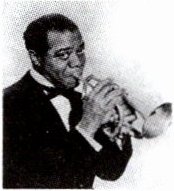
Louis Armstrong was one of the most famous musicians. He played the trumpet(小号)and sang. People thought he was one of the world's best jazz artists.
Louis was born in New Orleans in 1901. His family was very poor. As a child, Louis would sing on street corners and do other tiring jobs to make some money. Though life was hard, Louis taught himself how to play the cornet, a type of instrument.
Louis loved performing and loved to go around New Orleans to join in with many kinds of bands, and even funeral(葬礼)parades. Soon he was playing with better bands and King Oliver — one of the best trumpet players at that time — noticed him. King Oliver taught him how to play the trumpet. Later, Louis went to Chicago and New York, where he forever changed the history of jazz music!
Nearly everyone liked Louis Armstrong. One of his nicknames was “Pops” because of his kind manners(礼仪). In the mid-1960s Louis Armstrong travelled all over the world, giving concerts, appearing in films and making records. During a trip to West Africa, Louis was welcomed by more than one hundred thousand people.
Louis Armstrong died suddenly in 1971. One year later he was awarded the Grammy Lifetime Achievement Award.
(
A. By introducing backgrounds.
B. By telling a story.
C. By sharing experience.
D. By asking a question.
(
A. To draw the readers' attention.
B. To give an important sign.
C. To show a strong feeling.
D. To give an order(指令)to readers.
(
A. Sports.
B. Music.
C. Art.
D. Education.
(
A. A Great Award
B. An Interesting Instrument
C. A Famous Musician
D. An Unforgettable Trip
Louis Armstrong was one of the most famous musicians. He played the trumpet(小号)and sang. People thought he was one of the world's best jazz artists.
Louis was born in New Orleans in 1901. His family was very poor. As a child, Louis would sing on street corners and do other tiring jobs to make some money. Though life was hard, Louis taught himself how to play the cornet, a type of instrument.
Louis loved performing and loved to go around New Orleans to join in with many kinds of bands, and even funeral(葬礼)parades. Soon he was playing with better bands and King Oliver — one of the best trumpet players at that time — noticed him. King Oliver taught him how to play the trumpet. Later, Louis went to Chicago and New York, where he forever changed the history of jazz music!
Nearly everyone liked Louis Armstrong. One of his nicknames was “Pops” because of his kind manners(礼仪). In the mid-1960s Louis Armstrong travelled all over the world, giving concerts, appearing in films and making records. During a trip to West Africa, Louis was welcomed by more than one hundred thousand people.
Louis Armstrong died suddenly in 1971. One year later he was awarded the Grammy Lifetime Achievement Award.
(
A
)1. How does the writer lead in the topic in Paragraph 1?A. By introducing backgrounds.
B. By telling a story.
C. By sharing experience.
D. By asking a question.
(
C
)2. Why does the writer use the mark “!” in the underlined sentence of Paragraph 3?A. To draw the readers' attention.
B. To give an important sign.
C. To show a strong feeling.
D. To give an order(指令)to readers.
(
B
)3. In which part of a magazine can we find the text probably?A. Sports.
B. Music.
C. Art.
D. Education.
(
C
)4. What's the best title for the text?A. A Great Award
B. An Interesting Instrument
C. A Famous Musician
D. An Unforgettable Trip
答案:
Ⅳ 1—4 ACBC
查看更多完整答案,请扫码查看

