

 搜索
搜索
第76页
- 第1页
- 第2页
- 第3页
- 第4页
- 第5页
- 第6页
- 第7页
- 第8页
- 第9页
- 第10页
- 第11页
- 第12页
- 第13页
- 第14页
- 第15页
- 第16页
- 第17页
- 第18页
- 第19页
- 第20页
- 第21页
- 第22页
- 第23页
- 第24页
- 第25页
- 第26页
- 第27页
- 第28页
- 第29页
- 第30页
- 第31页
- 第32页
- 第33页
- 第34页
- 第35页
- 第36页
- 第37页
- 第38页
- 第39页
- 第40页
- 第41页
- 第42页
- 第43页
- 第44页
- 第45页
- 第46页
- 第47页
- 第48页
- 第49页
- 第50页
- 第51页
- 第52页
- 第53页
- 第54页
- 第55页
- 第56页
- 第57页
- 第58页
- 第59页
- 第60页
- 第61页
- 第62页
- 第63页
- 第64页
- 第65页
- 第66页
- 第67页
- 第68页
- 第69页
- 第70页
- 第71页
- 第72页
- 第73页
- 第74页
- 第75页
- 第76页
- 第77页
- 第78页
- 第79页
- 第80页
- 第81页
- 第82页
- 第83页
- 第84页
- 第85页
- 第86页
- 第87页
- 第88页
- 第89页
- 第90页
- 第91页
- 第92页
- 第93页
- 第94页
- 第95页
- 第96页
- 第97页
- 第98页
- 第99页
- 第100页
(B)
In China, each year we produce about 150 million tons of city waste according to a report. Where does the waste go? People usually burn or bury it. On the other hand, we receive waste from some developed countries. We get useful materials from it. What about the useless part? Still burned or buried.
But is it a proper way?
Waste pollutes the environment, harms people’s health and causes animals to die. It also gets in the way of green and sustainable development. We can’t make money at the cost of the environment. We should leave clean water and green mountains to our next generations.
China is getting really serious about waste now.
We are taking less waste from developed countries. From January 2018, China started to stop 24 kinds of waste coming into our country. And more laws and rules about dealing with waste have been made. Anyone who breaks the law will be punished.
China also tries to put waste into good use. One example is the waste electricity factories. They burn waste to make electricity in a green way. No harmful gases or water will get into the environment.
The Chinese government is encouraging people to do waste sorting. Large numbers of cities like Shanghai, Wuxi, Chongqing and Beijing have their own sorting systems. As President Xi Jinping said during a visit to Shanghai, waste sorting is a new fashion. More and more people are forming the habit of separating their waste.
( )4. The writer starts the passage by .
A. telling stories B. comparing numbers
C. raising questions D. giving suggestions
( )5. The underlined word “sustainable” in Paragraph 2 means “ ” in Chinese.
A. 可享受的 B. 可持续的 C. 可借鉴的 D. 可复活的
( )6. From the passage, we know that .
A. waste does harm only to the environment
B. those who break the law may be punished
C. China stops getting waste from developed countries
D. waste sorting starts to become popular in China
( )7. The structure of the passage may be .
(①=Paragraph 1 ②=Paragraph 2 ③=Paragraph 3
④=Paragraph 4 ⑤=Paragraph 5 ⑥=Paragraph 6)
A. ① B. ①−②
② ④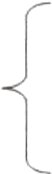 ③
③
③ ⑥ ④
⑥ ④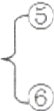
C. D.
Hov
① ①−②

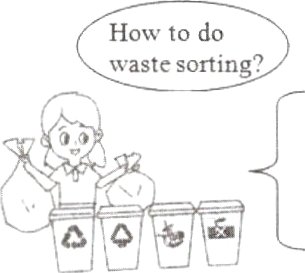

−6
In China, each year we produce about 150 million tons of city waste according to a report. Where does the waste go? People usually burn or bury it. On the other hand, we receive waste from some developed countries. We get useful materials from it. What about the useless part? Still burned or buried.
But is it a proper way?
Waste pollutes the environment, harms people’s health and causes animals to die. It also gets in the way of green and sustainable development. We can’t make money at the cost of the environment. We should leave clean water and green mountains to our next generations.
China is getting really serious about waste now.
We are taking less waste from developed countries. From January 2018, China started to stop 24 kinds of waste coming into our country. And more laws and rules about dealing with waste have been made. Anyone who breaks the law will be punished.
China also tries to put waste into good use. One example is the waste electricity factories. They burn waste to make electricity in a green way. No harmful gases or water will get into the environment.
The Chinese government is encouraging people to do waste sorting. Large numbers of cities like Shanghai, Wuxi, Chongqing and Beijing have their own sorting systems. As President Xi Jinping said during a visit to Shanghai, waste sorting is a new fashion. More and more people are forming the habit of separating their waste.
( )4. The writer starts the passage by .
A. telling stories B. comparing numbers
C. raising questions D. giving suggestions
( )5. The underlined word “sustainable” in Paragraph 2 means “ ” in Chinese.
A. 可享受的 B. 可持续的 C. 可借鉴的 D. 可复活的
( )6. From the passage, we know that .
A. waste does harm only to the environment
B. those who break the law may be punished
C. China stops getting waste from developed countries
D. waste sorting starts to become popular in China
( )7. The structure of the passage may be .
(①=Paragraph 1 ②=Paragraph 2 ③=Paragraph 3
④=Paragraph 4 ⑤=Paragraph 5 ⑥=Paragraph 6)
A. ① B. ①−②
② ④
③③
⑥ ④ C. D.
Hov
① ①−②
−6
答案:
4-7: CBDA
查看更多完整答案,请扫码查看

