

 搜索
搜索
2025年学霸组合训练八年级英语下册人教版浙江专版
注:目前有些书本章节名称可能整理的还不是很完善,但都是按照顺序排列的,请同学们按照顺序仔细查找。练习册 2025年学霸组合训练八年级英语下册人教版浙江专版 答案主要是用来给同学们做完题方便对答案用的,请勿直接抄袭。
第35页
- 第1页
- 第2页
- 第3页
- 第4页
- 第5页
- 第6页
- 第7页
- 第8页
- 第9页
- 第10页
- 第11页
- 第12页
- 第13页
- 第14页
- 第15页
- 第16页
- 第17页
- 第18页
- 第19页
- 第20页
- 第21页
- 第22页
- 第23页
- 第24页
- 第25页
- 第26页
- 第27页
- 第28页
- 第29页
- 第30页
- 第31页
- 第32页
- 第33页
- 第34页
- 第35页
- 第36页
- 第37页
- 第38页
- 第39页
- 第40页
- 第41页
- 第42页
- 第43页
- 第44页
- 第45页
- 第46页
- 第47页
- 第48页
- 第49页
- 第50页
- 第51页
- 第52页
- 第53页
- 第54页
- 第55页
- 第56页
- 第57页
- 第58页
- 第59页
- 第60页
- 第61页
- 第62页
- 第63页
- 第64页
- 第65页
- 第66页
- 第67页
- 第68页
- 第69页
- 第70页
- 第71页
- 第72页
- 第73页
- 第74页
- 第75页
- 第76页
- 第77页
- 第78页
- 第79页
- 第80页
- 第81页
- 第82页
- 第83页
- 第84页
- 第85页
- 第86页
- 第87页
- 第88页
- 第89页
- 第90页
- 第91页
- 第92页
- 第93页
- 第94页
- 第95页
- 第96页
- 第97页
- 第98页
- 第99页
- 第100页
- 第101页
- 第102页
- 第103页
- 第104页
- 第105页
- 第106页
- 第107页
- 第108页
- 第109页
- 第110页
- 第111页
- 第112页
- 第113页
- 第114页
题目:复活节岛石像 体裁:说明文 难度:4星 建议用时:8分钟 正确率:/4
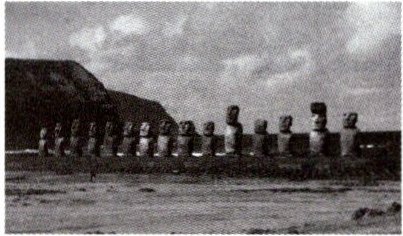
Many of the statues(雕像) not along the coast are in places with resources. These resources are important to the communities. These communities lived and worked there. The statues on Easter Island are among the most famous things made by humans. We still don't know how they were moved. And we don't know why they were placed at where they are around the island, either. Now people think they have at least some answers, because a new finding shows that the statues are placed near the freshwater.
It's believed that the people of Rapa Nui—the old name for Easter Island—began building these statues in the 13th century. The statues, called moai, sit upon stone platforms called ahu. Most weigh between 20 and 30 tons. Carl Lipo noted that people spent most of their time living and working around these places. And this made them think that the statues might be placed near an important resource.
Lipo was right. Their studies pointed toward drinking water. “Every time we found freshwater, there would be a statue and an ahu. And we saw this over and over again. And in places where we didn't find freshwater, we didn't find statues and ahu,” he said.
It doesn't mean that the statues worked as a sign saying “Get Your Water Here”, but that the communities themselves were connected(连接) to those resources. And so, the investment(投资) in statues was done around the resources. “Because these are the places that had the resources and they needed to live on these resources,” he said. It seems that many of the large and heavy statues are where they are for completely pragmatic(实用的) reasons:We'll build here because here is where we want to be.
( )1. The underlined word “resources” in Paragraph 1 refers to “______”.
A. stones B. trees C. food D. water
( )2. Which of the following is TRUE?
A. Ahu is another name of the statue, moai.
B. People probably began building these statues in the 13th century.
C. Most statues weigh between 20 and 50 tons.
D. The statues worked as a sign saying “Get Your Water Here”.
( )3. What does the last paragraph mainly tell us?
A. The statues are signs of water resources.
B. The statues are signs of rich communities.
C. People use statues to make money on Easter Island.
D. People on Easter Island use statues to hold water resources.
( )4. Which is the best title for the passage?
A. How did people move the statues? B. How did people build the statues?
C. Why did people build the statues? D. Why are the statues there?
Many of the statues(雕像) not along the coast are in places with resources. These resources are important to the communities. These communities lived and worked there. The statues on Easter Island are among the most famous things made by humans. We still don't know how they were moved. And we don't know why they were placed at where they are around the island, either. Now people think they have at least some answers, because a new finding shows that the statues are placed near the freshwater.
It's believed that the people of Rapa Nui—the old name for Easter Island—began building these statues in the 13th century. The statues, called moai, sit upon stone platforms called ahu. Most weigh between 20 and 30 tons. Carl Lipo noted that people spent most of their time living and working around these places. And this made them think that the statues might be placed near an important resource.
Lipo was right. Their studies pointed toward drinking water. “Every time we found freshwater, there would be a statue and an ahu. And we saw this over and over again. And in places where we didn't find freshwater, we didn't find statues and ahu,” he said.
It doesn't mean that the statues worked as a sign saying “Get Your Water Here”, but that the communities themselves were connected(连接) to those resources. And so, the investment(投资) in statues was done around the resources. “Because these are the places that had the resources and they needed to live on these resources,” he said. It seems that many of the large and heavy statues are where they are for completely pragmatic(实用的) reasons:We'll build here because here is where we want to be.
( )1. The underlined word “resources” in Paragraph 1 refers to “______”.
A. stones B. trees C. food D. water
( )2. Which of the following is TRUE?
A. Ahu is another name of the statue, moai.
B. People probably began building these statues in the 13th century.
C. Most statues weigh between 20 and 50 tons.
D. The statues worked as a sign saying “Get Your Water Here”.
( )3. What does the last paragraph mainly tell us?
A. The statues are signs of water resources.
B. The statues are signs of rich communities.
C. People use statues to make money on Easter Island.
D. People on Easter Island use statues to hold water resources.
( )4. Which is the best title for the passage?
A. How did people move the statues? B. How did people build the statues?
C. Why did people build the statues? D. Why are the statues there?
答案:
DBDD
查看更多完整答案,请扫码查看

