

 搜索
搜索
第40页
- 第1页
- 第2页
- 第3页
- 第4页
- 第5页
- 第6页
- 第7页
- 第8页
- 第9页
- 第10页
- 第11页
- 第12页
- 第13页
- 第14页
- 第15页
- 第16页
- 第17页
- 第18页
- 第19页
- 第20页
- 第21页
- 第22页
- 第23页
- 第24页
- 第25页
- 第26页
- 第27页
- 第28页
- 第29页
- 第30页
- 第31页
- 第32页
- 第33页
- 第34页
- 第35页
- 第36页
- 第37页
- 第38页
- 第39页
- 第40页
- 第41页
- 第42页
- 第43页
- 第44页
- 第45页
- 第46页
- 第47页
- 第48页
- 第49页
- 第50页
- 第51页
- 第52页
- 第53页
- 第54页
- 第55页
- 第56页
- 第57页
- 第58页
- 第59页
- 第60页
- 第61页
- 第62页
- 第63页
- 第64页
- 第65页
- 第66页
- 第67页
- 第68页
- 第69页
- 第70页
- 第71页
- 第72页
- 第73页
- 第74页
- 第75页
- 第76页
- 第77页
- 第78页
- 第79页
- 第80页
- 第81页
- 第82页
- 第83页
- 第84页
- 第85页
- 第86页
- 第87页
- 第88页
- 第89页
- 第90页
- 第91页
- 第92页
- 第93页
- 第94页
- 第95页
- 第96页
- 第97页
- 第98页
- 第99页
- 第100页
- 第101页
- 第102页
- 第103页
- 第104页
- 第105页
- 第106页
- 第107页
- 第108页
- 第109页
- 第110页
- 第111页
- 第112页
四、阅读短文,在文中空白处填入1个适当的单词,或用括号内所给单词的正确形式填空。
On 25 April 2024, China 1 (successful) sent the Shenzhou-18 spaceship with astronauts on board. This marked another great success in China's space exploration efforts. The mission commander (任务指令长) was Ye Guangfu, 2 astronaut with rich experience and leadership skills.
Ye grew up in a small village in Sichuan. He 3 (inspire) by the strength of his mother, who took on the responsibility of raising Ye and his sister after their father passed away early.
Ye recalled how hard it was for his family 4 (find) enough money, even just fifty yuan, for him to try out to become an air force pilot. 5 the journey didn't start smoothly, his love for flying and hard work got him into the Air Force Aviation University of China. This 6 (decide) changed his life. In 2009, Ye decided to reach even 7 (high) and applied to be an astronaut. The journey wasn't easy. He had to go through hard training, like surviving in the wild for 48 hours. He even trained in caves in Europe, where he had to find his way through dark, wet caves. This made him the 8 (one) Chinese person to finish this training.
Becoming an astronaut, one must face many 9 (challenge) and disappointments. But Ye never gave up on his dream. His hard work paid off when he flew into space on the Shenzhou-13 mission on 16 October 2021. Ye was thankful for all the difficult times because they helped him keep going and stick 10 his dreams.
1.
2.
3.
4.
5.
6.
7.
8.
9.
10.
On 25 April 2024, China 1 (successful) sent the Shenzhou-18 spaceship with astronauts on board. This marked another great success in China's space exploration efforts. The mission commander (任务指令长) was Ye Guangfu, 2 astronaut with rich experience and leadership skills.
Ye grew up in a small village in Sichuan. He 3 (inspire) by the strength of his mother, who took on the responsibility of raising Ye and his sister after their father passed away early.
Ye recalled how hard it was for his family 4 (find) enough money, even just fifty yuan, for him to try out to become an air force pilot. 5 the journey didn't start smoothly, his love for flying and hard work got him into the Air Force Aviation University of China. This 6 (decide) changed his life. In 2009, Ye decided to reach even 7 (high) and applied to be an astronaut. The journey wasn't easy. He had to go through hard training, like surviving in the wild for 48 hours. He even trained in caves in Europe, where he had to find his way through dark, wet caves. This made him the 8 (one) Chinese person to finish this training.
Becoming an astronaut, one must face many 9 (challenge) and disappointments. But Ye never gave up on his dream. His hard work paid off when he flew into space on the Shenzhou-13 mission on 16 October 2021. Ye was thankful for all the difficult times because they helped him keep going and stick 10 his dreams.
1.
successfully
2.
an
3.
was inspired
4.
to find
5.
Although/Though
6.
decision
7.
higher
8.
first
9.
challenges
10.
to
答案:
四、1. successfully 2. an 3. was inspired 4. to find 5. Although/Though 6. decision 7. higher 8. first 9. challenges 10. to
五、阅读与表达。(2025·江苏无锡惠山区十校一模改编)
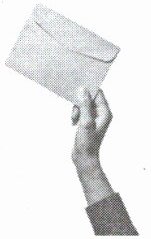
The envelope is designed to protect letters. Did you know when and where the envelope first appeared? The history of envelopes is probably much longer than you think.
It is believed the envelope first appeared in ancient China. It was used to protect royal messages. However, the early envelope was nothing like what we use today. It was made from clay and looked like a ball. After the message was put into it, the envelope would be sealed (密封).
The first paper envelope appeared around 200 B. C. It was also invented by the Chinese. However, at first, people used it only to send money to each other as gifts. It was not until around the seventh century that it was used for sending messages. The design of the early paper envelope was very simple. It was just a sheet of paper folded and sealed with wax (蜡). Since the envelope was made completely by hand, it was very expensive.
In the 19th century, printing and manufacturing methods improved greatly. In 1853, American inventor Russel Hawes invented an envelope maker. The machine could produce about 12,500 envelopes every day. With these improvements, the cost of envelopes went down. The design also became more complex.
Today, emails have become more popular than handwritten letters. However, billions of envelopes are used around the world every year. They are still part of modern life.
注:每题答案不超过6个词。
1. What did the early envelope look like?
2. What did people start to use paper envelopes for around the seventh century?
3. How were early paper envelopes made?
4. How many envelopes are now used around the world every year?
5. 新考法 Please put the following events into correct order.
①Invented by the Chinese. ②Appeared in ancient China. ③Produced by the machine. ④Made from clay. ⑤Used for sending money.
The envelope is designed to protect letters. Did you know when and where the envelope first appeared? The history of envelopes is probably much longer than you think.
It is believed the envelope first appeared in ancient China. It was used to protect royal messages. However, the early envelope was nothing like what we use today. It was made from clay and looked like a ball. After the message was put into it, the envelope would be sealed (密封).
The first paper envelope appeared around 200 B. C. It was also invented by the Chinese. However, at first, people used it only to send money to each other as gifts. It was not until around the seventh century that it was used for sending messages. The design of the early paper envelope was very simple. It was just a sheet of paper folded and sealed with wax (蜡). Since the envelope was made completely by hand, it was very expensive.
In the 19th century, printing and manufacturing methods improved greatly. In 1853, American inventor Russel Hawes invented an envelope maker. The machine could produce about 12,500 envelopes every day. With these improvements, the cost of envelopes went down. The design also became more complex.
Today, emails have become more popular than handwritten letters. However, billions of envelopes are used around the world every year. They are still part of modern life.
注:每题答案不超过6个词。
1. What did the early envelope look like?
It looked like a ball.
2. What did people start to use paper envelopes for around the seventh century?
Sending messages.
3. How were early paper envelopes made?
By hand.
4. How many envelopes are now used around the world every year?
Billions of envelops.
5. 新考法 Please put the following events into correct order.
①Invented by the Chinese. ②Appeared in ancient China. ③Produced by the machine. ④Made from clay. ⑤Used for sending money.
②④①⑤③
答案:
五、1. It looked like a ball. 2. Sending messages. 3. By hand. 4. Billions of envelops. 5. ②④①⑤③
查看更多完整答案,请扫码查看

