

 搜索
搜索
第81页
- 第1页
- 第2页
- 第3页
- 第4页
- 第5页
- 第6页
- 第7页
- 第8页
- 第9页
- 第10页
- 第11页
- 第12页
- 第13页
- 第14页
- 第15页
- 第16页
- 第17页
- 第18页
- 第19页
- 第20页
- 第21页
- 第22页
- 第23页
- 第24页
- 第25页
- 第26页
- 第27页
- 第28页
- 第29页
- 第30页
- 第31页
- 第32页
- 第33页
- 第34页
- 第35页
- 第36页
- 第37页
- 第38页
- 第39页
- 第40页
- 第41页
- 第42页
- 第43页
- 第44页
- 第45页
- 第46页
- 第47页
- 第48页
- 第49页
- 第50页
- 第51页
- 第52页
- 第53页
- 第54页
- 第55页
- 第56页
- 第57页
- 第58页
- 第59页
- 第60页
- 第61页
- 第62页
- 第63页
- 第64页
- 第65页
- 第66页
- 第67页
- 第68页
- 第69页
- 第70页
- 第71页
- 第72页
- 第73页
- 第74页
- 第75页
- 第76页
- 第77页
- 第78页
- 第79页
- 第80页
- 第81页
- 第82页
- 第83页
- 第84页
- 第85页
- 第86页
- 第87页
- 第88页
- 第89页
- 第90页
- 第91页
- 第92页
- 第93页
- 第94页
- 第95页
- 第96页
- 第97页
- 第98页
- 第99页
- 第100页
- 第101页
- 第102页
- 第103页
- 第104页
- 第105页
- 第106页
- 第107页
- 第108页
- 第109页
- 第110页
- 第111页
- 第112页
- 第113页
- 第114页
- 第115页
- 第116页
- 第117页
- 第118页
- 第119页
- 第120页
- 第121页
- 第122页
- 第123页
- 第124页
- 第125页
- 第126页
- 第127页
- 第128页
- 第129页
- 第130页
- 第131页
- 第132页
- 第133页
- 第134页
- 第135页
- 第136页
- 第137页
- 第138页
- 第139页
- 第140页
- 第141页
- 第142页
- 第143页
- 第144页
- 第145页
- 第146页
- 第147页
- 第148页
- 第149页
- 第150页
- 第151页
- 第152页
- 第153页
- 第154页
- 第155页
- 第156页
- 第157页
- 第158页
- 第159页
- 第160页
- 第161页
- 第162页
探究点一:allow v.允许;准许
$allow\begin{cases}$主动语态$\begin{cases}allow sb. to do sth.$允许某人做某事$\\allow doing sth.$允许做某事$\end{cases}\\$被动语态$\begin{cases}be allowed to do sth.$被允许做某事$\end{cases}\end{cases}$
【运用】
1. — Excuse me, sir. Smoking in the hospital.
— Oh, I'm really sorry.
A. doesn't allow
B. isn't allowed
C. aren't allowed
D. allowed
2. — Have you ever heard that China is building a nationwide 5G network?
— Yes. 5G will allow us movies faster than ever.
A. download
B. downloads
C. to download
D. downloading
3. Class is over. The teacher allows football.
A. to play
B. play
C. playing
D. played
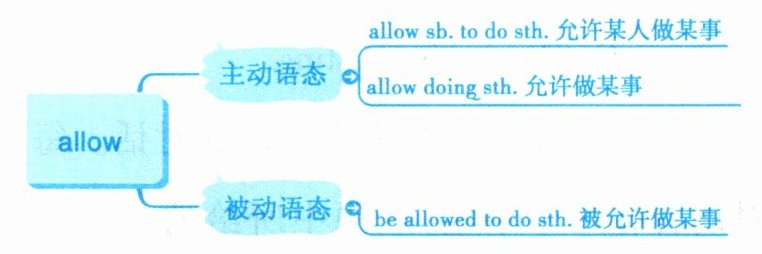
$allow\begin{cases}$主动语态$\begin{cases}allow sb. to do sth.$允许某人做某事$\\allow doing sth.$允许做某事$\end{cases}\\$被动语态$\begin{cases}be allowed to do sth.$被允许做某事$\end{cases}\end{cases}$
【运用】
1. — Excuse me, sir. Smoking in the hospital.
— Oh, I'm really sorry.
A. doesn't allow
B. isn't allowed
C. aren't allowed
D. allowed
2. — Have you ever heard that China is building a nationwide 5G network?
— Yes. 5G will allow us movies faster than ever.
A. download
B. downloads
C. to download
D. downloading
3. Class is over. The teacher allows football.
A. to play
B. play
C. playing
D. played
答案:
1.B 2.C 3.C
探究点二:含有情态动词的被动语态
情态动词构成情态动词$+be+$及物动词的过去分词句式肯定式主语$+$情态动词$+be+$及物动词的过去分词否定式主语$+$情态动词$+not+be+$及物动词的过去分词疑问式情态动词$+$主语$+be+$及物动词的过去分词
肯定句:$The computer must be turned off before you leave.$
否定句:$The computer must not be turned off before you leave.$
一般疑问句:$Must the computer be turned off before you leave?$
$【$运用$】$
$1. Schools don't allow students $ $ (wear) their own clothes.$
$2. Students shouldn't $ $ (allow) to go out on school nights.$
$3. Magazines can't $ $ (take) out of the library.$
$4. Should the rules $ $ (change)?$
$5. When can the bridge $ $ (complete)?$
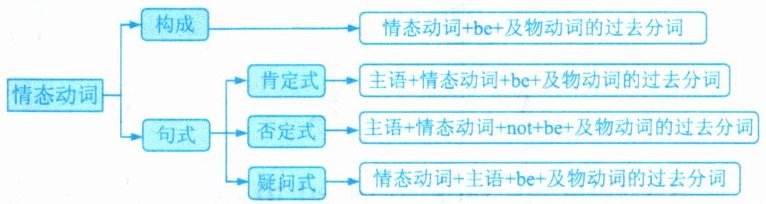
情态动词构成情态动词$+be+$及物动词的过去分词句式肯定式主语$+$情态动词$+be+$及物动词的过去分词否定式主语$+$情态动词$+not+be+$及物动词的过去分词疑问式情态动词$+$主语$+be+$及物动词的过去分词
肯定句:$The computer must be turned off before you leave.$
否定句:$The computer must not be turned off before you leave.$
一般疑问句:$Must the computer be turned off before you leave?$
$【$运用$】$
$1. Schools don't allow students $ $ (wear) their own clothes.$
$2. Students shouldn't $ $ (allow) to go out on school nights.$
$3. Magazines can't $ $ (take) out of the library.$
$4. Should the rules $ $ (change)?$
$5. When can the bridge $ $ (complete)?$
答案:
1. to wear 2. be allowed 3. be taken 4. be changed 5. be completed
一、听力选择
(一)请听录音中8组短对话。每组对话后有一个小题,从题中所给的3个选项中,选出与对话内容相符的图片或能回答所给问题的最佳答案。每组对话读两遍。
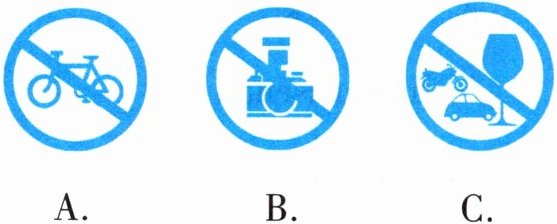
1. Which sign is mentioned?
A.
B.
C.
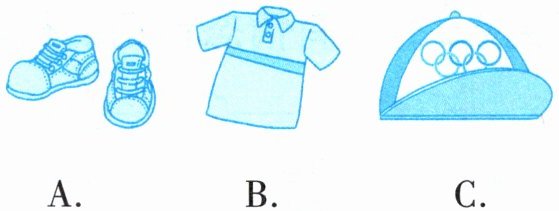
2. What does the boy want to buy?
A.
B.
C.
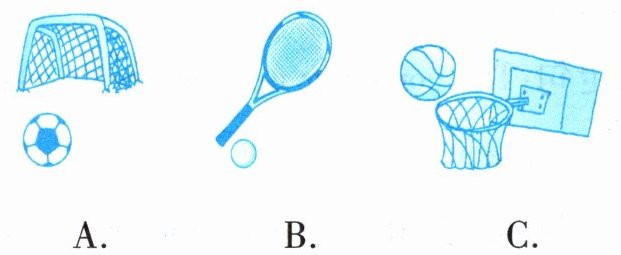
3. What is Jack allowed to do on the weekend?
A.
B.
C.
4. What can’t be used at Tony’s school?
A. E - dictionaries.
B. Mobile phones.
C. MP4 players.
5. What does the woman ask Mr. Li to do?
A. To leave the door open.
B. To close the door.
C. To repair the door.
6. How old is Bill according to the conversation?
A. Under 16.
B. 16.
C. Over 16.
7. Where are they talking?
A. In a park.
B. In a museum.
C. In a zoo.
8. What does the boy probably think of the new school rules?
A. They’re relaxed.
B. They’re strict.
C. They’re interesting.
(一)请听录音中8组短对话。每组对话后有一个小题,从题中所给的3个选项中,选出与对话内容相符的图片或能回答所给问题的最佳答案。每组对话读两遍。
1. Which sign is mentioned?
A.
B.
C.
2. What does the boy want to buy?
A.
B.
C.
3. What is Jack allowed to do on the weekend?
A.
B.
C.
4. What can’t be used at Tony’s school?
A. E - dictionaries.
B. Mobile phones.
C. MP4 players.
5. What does the woman ask Mr. Li to do?
A. To leave the door open.
B. To close the door.
C. To repair the door.
6. How old is Bill according to the conversation?
A. Under 16.
B. 16.
C. Over 16.
7. Where are they talking?
A. In a park.
B. In a museum.
C. In a zoo.
8. What does the boy probably think of the new school rules?
A. They’re relaxed.
B. They’re strict.
C. They’re interesting.
答案:
1. C 2. B 3. C 4. B 5. B 6. A 7. C 8. B
查看更多完整答案,请扫码查看

