

 搜索
搜索
2025年全效学习阶段发展评价九年级英语全一册外研版
注:目前有些书本章节名称可能整理的还不是很完善,但都是按照顺序排列的,请同学们按照顺序仔细查找。练习册 2025年全效学习阶段发展评价九年级英语全一册外研版 答案主要是用来给同学们做完题方便对答案用的,请勿直接抄袭。
第70页
- 第2页
- 第3页
- 第4页
- 第5页
- 第6页
- 第7页
- 第8页
- 第9页
- 第10页
- 第11页
- 第12页
- 第13页
- 第14页
- 第15页
- 第16页
- 第17页
- 第18页
- 第19页
- 第20页
- 第21页
- 第22页
- 第23页
- 第24页
- 第25页
- 第26页
- 第27页
- 第28页
- 第29页
- 第30页
- 第31页
- 第32页
- 第33页
- 第34页
- 第35页
- 第36页
- 第37页
- 第38页
- 第39页
- 第40页
- 第41页
- 第42页
- 第43页
- 第44页
- 第45页
- 第46页
- 第47页
- 第48页
- 第49页
- 第50页
- 第51页
- 第52页
- 第53页
- 第54页
- 第55页
- 第56页
- 第57页
- 第58页
- 第59页
- 第60页
- 第61页
- 第62页
- 第63页
- 第64页
- 第65页
- 第66页
- 第67页
- 第68页
- 第69页
- 第70页
- 第71页
- 第72页
- 第73页
- 第74页
- 第75页
- 第76页
- 第77页
- 第78页
- 第79页
- 第80页
- 第81页
- 第82页
- 第83页
- 第84页
- 第85页
- 第86页
- 第87页
- 第88页
1. Do you divide the waste into things to recycle and things to throw away? 你们将废物分成要回收的和需丢弃的吗?
学(1)divide 作动词,意为“分开”,常用短语 divide … into … 意为“把……分为……”,表示把一个整体分成若干部分。其被动结构 be divided into 意为“被分成……”。
(2)throw away 意为“扔掉;丢弃”。
用①一年被分为 12 个月。
A year
②别把这些箱子扔掉,它们可以被再次使用。
Don’t
学(1)divide 作动词,意为“分开”,常用短语 divide … into … 意为“把……分为……”,表示把一个整体分成若干部分。其被动结构 be divided into 意为“被分成……”。
(2)throw away 意为“扔掉;丢弃”。
用①一年被分为 12 个月。
A year
is
divided
into
twelve months.②别把这些箱子扔掉,它们可以被再次使用。
Don’t
throw
away
these boxes. They can be reused.
答案:
1.①is divided into ②throw away
2. …and it is harmful to our environment. ……而且它对我们的环境有害。
学 be harmful to 意为“对……有害”,相当于 do harm to。
用抽烟对我们的健康有害。
Smoking
学 be harmful to 意为“对……有害”,相当于 do harm to。
用抽烟对我们的健康有害。
Smoking
is
harmful
to
our health.
答案:
2.is harmful to
3. …because they can be used many times. ……因为它们可以被使用很多次。
学 used 是 use 的过去式和过去分词形式。常用结构:
①“be used for+名词/代词/动词 - ing”意为“被用于……”。
②“be used as+名词”意为“被用作……”。
③“be used to+动词原形”意为“被用来做某事”。
【注意】“be used to+动词 - ing”意为“习惯于做某事”。
用填入一个适当的介词
①Stamps are used
②This room is used
③Peter was used
学 used 是 use 的过去式和过去分词形式。常用结构:
①“be used for+名词/代词/动词 - ing”意为“被用于……”。
②“be used as+名词”意为“被用作……”。
③“be used to+动词原形”意为“被用来做某事”。
【注意】“be used to+动词 - ing”意为“习惯于做某事”。
用填入一个适当的介词
①Stamps are used
for
sending letters.②This room is used
as
their office.③Peter was used
to
living alone several months later.
答案:
3.①for ②as ③to
Ⅰ. 根据句意及首字母或汉语注释完成单词
1. The new
2. Larry was so thirsty that he drank two b
3. We can
4. Mary didn’t hear me, so she asked me to r
5. Our first
1. The new
policy
(政策)is popular with young people.2. Larry was so thirsty that he drank two b
ottles
of water.3. We can
divide
(分开)the whole class into four groups.4. Mary didn’t hear me, so she asked me to r
epeat
my question.5. Our first
step
(步骤)must be a pay rise, and then we must improve working conditions.
答案:
Ⅰ.1.policy 2.bottles 3.divide 4.repeat 5.step
Ⅱ. 用方框中所给词语的适当形式填空
recycle throw away ton turn off look after
1. Paper shouldn’t
2. At 10 o’clock, Tom
3. My mother asks me
4. These glass bottles can be
5. We’ve got
recycle throw away ton turn off look after
1. Paper shouldn’t
be thrown away
anywhere at our school.2. At 10 o’clock, Tom
turned off
the TV and went to bed.3. My mother asks me
to look after
myself when she goes out.4. These glass bottles can be
recycled
. We’d better collect them.5. We’ve got
tons
of homework to do. So the weekend must be busy for us.
答案:
Ⅱ.1.be thrown away 2.turned off 3.to look after 4.recycled 5.tons
Ⅲ. 语法填空
With his drawing in his hand, twelve - year - old Zhang Wenpeng said that people must wake up to the fact that now pollution 1.
“To save water is 2.
His classmate, eleven - year - old Zhou Zhiyun, has painted 3.
The students were 4.
The school suggested that the students should pass on 6.
“Education is important and can help children and young people change their habits 9.
With his drawing in his hand, twelve - year - old Zhang Wenpeng said that people must wake up to the fact that now pollution 1.
is causing
(cause) damage(破坏)to the progress we’ve made.“To save water is 2.
to save
(save)our lives,” he said.His classmate, eleven - year - old Zhou Zhiyun, has painted 3.
a
big shining light, with the message that people must not waste electricity.The students were 4.
members
(member)of a project. They mainly discuss “changes in the climate(气候)all over the world 5. and
what we can do about them”.The school suggested that the students should pass on 6.
what
they have learnt in school to their parents and neighbours. “I told my family why we should turn off the light when we leave a room,” said one student. There are 7. more
(many)and more green schools like this one in China now. In order to become a “green school”, a school must include education 8. about
the environment as part of the timetable.“Education is important and can help children and young people change their habits 9.
quickly
(quick). At the same time, they can pass on knowledge to 10. their
(they)neighbours,” said a director of the Centre for Environmental Education and Communications.
答案:
Ⅲ.1.is causing 2.to save 3.a 4.members 5.and 6.what 7.more 8.about 9.quickly 10.their
Ⅳ. 阅读理解
Climate change brings danger to people, then what another problem are we facing now? It’s underground climate change. With the development of cities, the rising underground temperature is causing the ground to heat up and deform(变形).
In the last three years, scientists have put more than 150 temperature sensors(感应器)under some big cities. The places included subway tunnels, underground parking lots and basements(地下室)of buildings. The temperatures they recorded were surprising. For example, air temperatures in underground structures could be up to 25℃ higher than the undisturbed ground temperature. After collecting data, scientists created computer models to see how temperatures will influence the ground until 2051.
When heated, some soft materials may become smaller, and other materials, such as stones, may become bigger. The models show that warmer temperatures can cause the ground to rise upward by as much as 1.2 centimetres, or sink downward by as much as 0.8 centimetres. This may even cause the ground to crack(开裂), leaving people who live and work above in dangerous situations.
As scientists have already known a lot about underground climate change, they point out future plans as cities should take it into consideration. Materials that take in heat can be used to keep the heat from entering the ground. They also point out that the rising temperature can be seen as a chance. City planners can try to collect heat underground and send it above for heating.
(
A. By listing numbers. B. By offering advice.
C. By asking a question. D. By giving an example.
(
A. Under basements. B. In forests. C. In desserts. D. Under oceans.
(
A. We should build nice house. B. We should use take - in heat materials.
C. We should collect heat on the ground. D. We should create more computer models.
(
A. Development of Cities B. Underground Structures
C. Chances for the Future D. Underground Climate Change
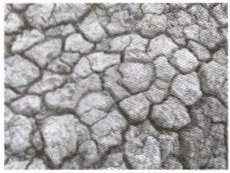
Climate change brings danger to people, then what another problem are we facing now? It’s underground climate change. With the development of cities, the rising underground temperature is causing the ground to heat up and deform(变形).
In the last three years, scientists have put more than 150 temperature sensors(感应器)under some big cities. The places included subway tunnels, underground parking lots and basements(地下室)of buildings. The temperatures they recorded were surprising. For example, air temperatures in underground structures could be up to 25℃ higher than the undisturbed ground temperature. After collecting data, scientists created computer models to see how temperatures will influence the ground until 2051.
When heated, some soft materials may become smaller, and other materials, such as stones, may become bigger. The models show that warmer temperatures can cause the ground to rise upward by as much as 1.2 centimetres, or sink downward by as much as 0.8 centimetres. This may even cause the ground to crack(开裂), leaving people who live and work above in dangerous situations.
As scientists have already known a lot about underground climate change, they point out future plans as cities should take it into consideration. Materials that take in heat can be used to keep the heat from entering the ground. They also point out that the rising temperature can be seen as a chance. City planners can try to collect heat underground and send it above for heating.
(
C
)1. How does the writer start his topic?A. By listing numbers. B. By offering advice.
C. By asking a question. D. By giving an example.
(
A
)2. Where has scientists put temperature sensors?A. Under basements. B. In forests. C. In desserts. D. Under oceans.
(
B
)3. What do the scientists suggest in the last paragraph?A. We should build nice house. B. We should use take - in heat materials.
C. We should collect heat on the ground. D. We should create more computer models.
(
D
)4. What can be the best title for the text?A. Development of Cities B. Underground Structures
C. Chances for the Future D. Underground Climate Change
答案:
Ⅳ.1—4 CABD
查看更多完整答案,请扫码查看

