

 搜索
搜索
2025年全效学习阶段发展评价九年级英语全一册外研版
注:目前有些书本章节名称可能整理的还不是很完善,但都是按照顺序排列的,请同学们按照顺序仔细查找。练习册 2025年全效学习阶段发展评价九年级英语全一册外研版 答案主要是用来给同学们做完题方便对答案用的,请勿直接抄袭。
第64页
- 第2页
- 第3页
- 第4页
- 第5页
- 第6页
- 第7页
- 第8页
- 第9页
- 第10页
- 第11页
- 第12页
- 第13页
- 第14页
- 第15页
- 第16页
- 第17页
- 第18页
- 第19页
- 第20页
- 第21页
- 第22页
- 第23页
- 第24页
- 第25页
- 第26页
- 第27页
- 第28页
- 第29页
- 第30页
- 第31页
- 第32页
- 第33页
- 第34页
- 第35页
- 第36页
- 第37页
- 第38页
- 第39页
- 第40页
- 第41页
- 第42页
- 第43页
- 第44页
- 第45页
- 第46页
- 第47页
- 第48页
- 第49页
- 第50页
- 第51页
- 第52页
- 第53页
- 第54页
- 第55页
- 第56页
- 第57页
- 第58页
- 第59页
- 第60页
- 第61页
- 第62页
- 第63页
- 第64页
- 第65页
- 第66页
- 第67页
- 第68页
- 第69页
- 第70页
- 第71页
- 第72页
- 第73页
- 第74页
- 第75页
- 第76页
- 第77页
- 第78页
- 第79页
- 第80页
- 第81页
- 第82页
- 第83页
- 第84页
- 第85页
- 第86页
- 第87页
- 第88页
1. Compared with other years, we received many more photos. 与往年相比,我们收到了更多的(参赛)照片。
学 (1) compared with 在句中作状语,意为“(与……)相比”。
(2)句中 more 是 many 的比较级,修饰可数名词 photos,而它前面的 many 则是比较结构的修饰语。当 more 修饰不可数名词时,则要用 much 来修饰比较结构。
用 ①和蚕丝相比,棉花更便宜些。
____ is cheaper.
②It's reported that fathers are spending ____ (many more/much more) time with children than before.
学 (1) compared with 在句中作状语,意为“(与……)相比”。
(2)句中 more 是 many 的比较级,修饰可数名词 photos,而它前面的 many 则是比较结构的修饰语。当 more 修饰不可数名词时,则要用 much 来修饰比较结构。
用 ①和蚕丝相比,棉花更便宜些。
____ is cheaper.
②It's reported that fathers are spending ____ (many more/much more) time with children than before.
答案:
1.①Compared with silk, cotton ②much more
2. Even though all of the photos are excellent, we are sorry to say that we cannot give prizes to everyone. 尽管所有的照片都很出色,但是我们只能遗憾地告诉大家我们不能给每个人都颁奖。
学 (1) even though/if 意为“即使;尽管”,用来引导让步状语从句。
(2)be sorry to do sth. 意为“抱歉/遗憾做某事”。
用 ①即使工作到半夜,你也完不成它。
____ you work till midnight, you won't finish it.
②I'm sorry ____ (tell) you that the work was not done well.
学 (1) even though/if 意为“即使;尽管”,用来引导让步状语从句。
(2)be sorry to do sth. 意为“抱歉/遗憾做某事”。
用 ①即使工作到半夜,你也完不成它。
____ you work till midnight, you won't finish it.
②I'm sorry ____ (tell) you that the work was not done well.
答案:
2.①Even though/if ②to tell
3. show 的用法
学 作动词,意为“展示;显示;引领;带领”,常用结构: show sth. to sb. /show sb. sth. 意为“向某人展示某物”; show sb. around 意为“带某人参观;给某人做向导”; show up 意为“露面;露出;揭露”; show off 意为“炫耀;卖弄”。
用 昨天玛丽向我展示了她的一张照片。
Mary ____ one of her photos yesterday.
= Mary ____ one of her photos yesterday.
学 作动词,意为“展示;显示;引领;带领”,常用结构: show sth. to sb. /show sb. sth. 意为“向某人展示某物”; show sb. around 意为“带某人参观;给某人做向导”; show up 意为“露面;露出;揭露”; show off 意为“炫耀;卖弄”。
用 昨天玛丽向我展示了她的一张照片。
Mary ____ one of her photos yesterday.
= Mary ____ one of her photos yesterday.
答案:
3.showed me; showed; to me
Ⅰ. 根据句意及首字母或汉语注释完成单词
1. Come round
2. We sent our c
3. Great
4. The headmaster was p
5.
1. Come round
tonight
(今晚), and we can watch a video together.2. We sent our c
ongratulations
to Lucy when she passed her exam.3. Great
singers
(歌手) can sing an old song and make it their own.4. The headmaster was p
resenting
a medal to the student when I took the photo.5.
Winners
(获胜者) of the game were asked to give a prize rush a group of
答案:
Ⅰ.1.tonight 2.congratulations 3.singers 4.presenting 5.winners
Ⅱ. 用方框中所给词语的适当形式填空
1.
2. Judy
3. The old man stood up and
4. He has entered different kinds of competitions and won many ____.
5. ____ I did my homework very carefully, I still made a mistake.
1.
A group of
foreigners are visiting the Summer Palace.2. Judy
rushed
into the room to tell us the news just now.3. The old man stood up and
read out
the results of the football match.4. He has entered different kinds of competitions and won many ____.
5. ____ I did my homework very carefully, I still made a mistake.
答案:
Ⅱ.1.A group of 2.rushed 3.read out 4.prizes 5.Even though
Ⅲ. 语法填空
Children's education is changing very fast today. In the early to middle 1. ____ (twenty) century, teachers made children sit still for hours. They made them remember all kinds 2. ____ things. Children had to go on reading things again and again until they 3. ____ (know) them "by heart". Today many teachers wonder if it is possible 4. ____ (make) children learn by themselves first. Teachers only help 5. ____ (they) learn.
However, for some children, school is a kind of place 6. ____ they cannot escape from. Going to school is not their wishes but their 7. ____ (parent). They get out of the classroom as soon as the teachers let them leave. Some of them want to find 8. ____ job but the law will not let them work until they reach a certain age. So they have to stay at school. Sometimes they do not learn anything at all and 9. ____ (real) hate every moment at school. They're even not 10. ____ (worry) about their future. Luckily, the teachers will try their best to encourage them to learn.
Children's education is changing very fast today. In the early to middle 1. ____ (twenty) century, teachers made children sit still for hours. They made them remember all kinds 2. ____ things. Children had to go on reading things again and again until they 3. ____ (know) them "by heart". Today many teachers wonder if it is possible 4. ____ (make) children learn by themselves first. Teachers only help 5. ____ (they) learn.
However, for some children, school is a kind of place 6. ____ they cannot escape from. Going to school is not their wishes but their 7. ____ (parent). They get out of the classroom as soon as the teachers let them leave. Some of them want to find 8. ____ job but the law will not let them work until they reach a certain age. So they have to stay at school. Sometimes they do not learn anything at all and 9. ____ (real) hate every moment at school. They're even not 10. ____ (worry) about their future. Luckily, the teachers will try their best to encourage them to learn.
答案:
Ⅲ.1.twentieth 2.of 3.knew 4.to make 5.them 6.which/that 7.parents’ 8.a 9.really 10.worried
Ⅳ. 阅读理解
When I was in middle school, I seldom raised my hands to answerquestions in class. When the teacher asked a question, I always lowered my head because I was afraid that the teacher saw me. And I found lots of my classmates were just like me.
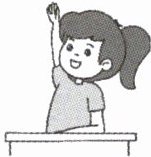
One day, in a foreign language class, Mr Black gave us a lesson. He wanted us to do something to change ourselves in class, so he asked us some questions, but no one answered. "At the beginning of the class, let me tell you a story," he said.
"When I came to the United States to study, the university often invited famous people to make speeches. Before the beginning of everyspeech, I found an interesting thing. The students around me always took a cardboard folded in half, wrote their names in bold (粗体) with the most eye-catching colour, and then placed the cardboard on their seats. So when the speaker needed the answers from the students, he could see and call alistener's name directly. "
"I couldn't understand that until my classmates told me the speakers were all top people who meant chances. When your answer was to theirsurprise, it meant they might give you more chances. In fact, I have seen a few students get great chances because of that. "
After listening to the story, I understood that the chance would not find you itself. You must show yourself all the time so that you can find a chance and then catch it.
(
A. Be active.
B. Take notes carefully.
C. Read loudly.
D. Keep quiet.
(
①Invited famous people to make speeches.
②Took a cardboard folded in half.
③Wrote their names in bold on the cardboard.
④Placed the cardboard on their seats.
A. ①②③
B. ①②④
C. ①③④
D. ②③④
(
A. Doing as others do is necessary.
B. Being active in class is interesting.
C. Answering questions bravely is easy.
D. Showing yourself can win you chances.
(
A. Art.
B. Education.
C. Culture.
D. History.
When I was in middle school, I seldom raised my hands to answerquestions in class. When the teacher asked a question, I always lowered my head because I was afraid that the teacher saw me. And I found lots of my classmates were just like me.
One day, in a foreign language class, Mr Black gave us a lesson. He wanted us to do something to change ourselves in class, so he asked us some questions, but no one answered. "At the beginning of the class, let me tell you a story," he said.
"When I came to the United States to study, the university often invited famous people to make speeches. Before the beginning of everyspeech, I found an interesting thing. The students around me always took a cardboard folded in half, wrote their names in bold (粗体) with the most eye-catching colour, and then placed the cardboard on their seats. So when the speaker needed the answers from the students, he could see and call alistener's name directly. "
"I couldn't understand that until my classmates told me the speakers were all top people who meant chances. When your answer was to theirsurprise, it meant they might give you more chances. In fact, I have seen a few students get great chances because of that. "
After listening to the story, I understood that the chance would not find you itself. You must show yourself all the time so that you can find a chance and then catch it.
(
A
)1. What did Mr Black want the students to do in his class?A. Be active.
B. Take notes carefully.
C. Read loudly.
D. Keep quiet.
(
D
)2. What had the students around Mr Black done before the speech?①Invited famous people to make speeches.
②Took a cardboard folded in half.
③Wrote their names in bold on the cardboard.
④Placed the cardboard on their seats.
A. ①②③
B. ①②④
C. ①③④
D. ②③④
(
D
)3. What does the writer mainly tell us?A. Doing as others do is necessary.
B. Being active in class is interesting.
C. Answering questions bravely is easy.
D. Showing yourself can win you chances.
(
B
)4. In which part of a name directly. "A. Art.
B. Education.
C. Culture.
D. History.
答案:
Ⅳ.1—4 ADDB
查看更多完整答案,请扫码查看

