

 搜索
搜索
第189页
- 第1页
- 第2页
- 第3页
- 第4页
- 第5页
- 第6页
- 第7页
- 第8页
- 第9页
- 第10页
- 第11页
- 第12页
- 第13页
- 第14页
- 第15页
- 第16页
- 第17页
- 第18页
- 第19页
- 第20页
- 第21页
- 第22页
- 第23页
- 第24页
- 第25页
- 第26页
- 第27页
- 第28页
- 第29页
- 第30页
- 第31页
- 第32页
- 第33页
- 第34页
- 第35页
- 第36页
- 第37页
- 第38页
- 第39页
- 第40页
- 第41页
- 第42页
- 第43页
- 第44页
- 第45页
- 第46页
- 第47页
- 第48页
- 第49页
- 第50页
- 第51页
- 第52页
- 第53页
- 第54页
- 第55页
- 第56页
- 第57页
- 第58页
- 第59页
- 第60页
- 第61页
- 第62页
- 第63页
- 第64页
- 第65页
- 第66页
- 第67页
- 第68页
- 第69页
- 第70页
- 第71页
- 第72页
- 第73页
- 第74页
- 第75页
- 第76页
- 第77页
- 第78页
- 第79页
- 第80页
- 第81页
- 第82页
- 第83页
- 第84页
- 第85页
- 第86页
- 第87页
- 第88页
- 第89页
- 第90页
- 第91页
- 第92页
- 第93页
- 第94页
- 第95页
- 第96页
- 第97页
- 第98页
- 第99页
- 第100页
- 第101页
- 第102页
- 第103页
- 第104页
- 第105页
- 第106页
- 第107页
- 第108页
- 第109页
- 第110页
- 第111页
- 第112页
- 第113页
- 第114页
- 第115页
- 第116页
- 第117页
- 第118页
- 第119页
- 第120页
- 第121页
- 第122页
- 第123页
- 第124页
- 第125页
- 第126页
- 第127页
- 第128页
- 第129页
- 第130页
- 第131页
- 第132页
- 第133页
- 第134页
- 第135页
- 第136页
- 第137页
- 第138页
- 第139页
- 第140页
- 第141页
- 第142页
- 第143页
- 第144页
- 第145页
- 第146页
- 第147页
- 第148页
- 第149页
- 第150页
- 第151页
- 第152页
- 第153页
- 第154页
- 第155页
- 第156页
- 第157页
- 第158页
- 第159页
- 第160页
- 第161页
- 第162页
- 第163页
- 第164页
- 第165页
- 第166页
- 第167页
- 第168页
- 第169页
- 第170页
- 第171页
- 第172页
- 第173页
- 第174页
- 第175页
- 第176页
- 第177页
- 第178页
- 第179页
- 第180页
- 第181页
- 第182页
- 第183页
- 第184页
- 第185页
- 第186页
- 第187页
- 第188页
- 第189页
- 第190页
- 第191页
- 第192页
- 第193页
- 第194页
- 第195页
- 第196页
- 第197页
- 第198页
- 第199页
- 第200页
- 第201页
- 第202页
- 第203页
- 第204页
- 第205页
- 第206页
- 第207页
- 第208页
- 第209页
- 第210页
- 第211页
- 第212页
- 第213页
- 第214页
- 第215页
- 第216页
一、听句子,选图片。
听五个句子,选择与所听句子内容相符的图片,有一幅图是多余的。读两遍。
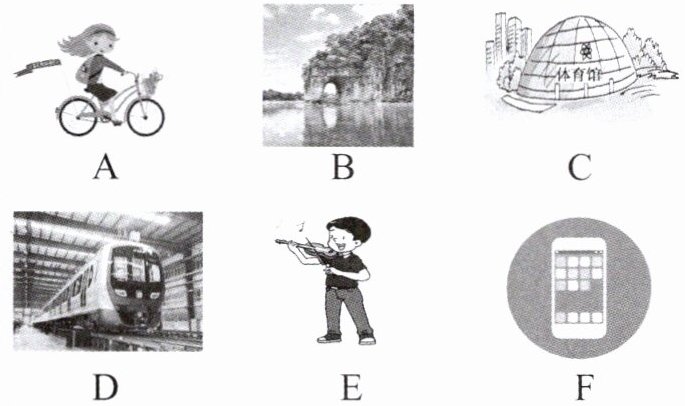
1. ______ 2. ______ 3. ______ 4. ______ 5. ______
听五个句子,选择与所听句子内容相符的图片,有一幅图是多余的。读两遍。
1. ______ 2. ______ 3. ______ 4. ______ 5. ______
答案:
1. B 2. F 3. A 4. E 5. D
二、听短对话,选择最佳答案。
听五段对话,根据对话内容选择最佳答案。读两遍。
( )6. What are they talking about?
A. Clothes in the future.
B. Weather in the future.
C. Jobs in the future.
( )7. What does the man think the city will be like in 10 years?
A. More crowded.
B. Less cleaner.
C. Much cleaner.
( )8. Which club will Peter join?
A. The Tennis Club.
B. The Football Club.
C. The Basketball Club.
( )9. How much is the scarf now?
A. 20 yuan.
B. 30 yuan.
C. 40 yuan.
( )10. How is the air in the countryside?
A. Dirtier.
B. Fresher.
C. Greener.
听五段对话,根据对话内容选择最佳答案。读两遍。
( )6. What are they talking about?
A. Clothes in the future.
B. Weather in the future.
C. Jobs in the future.
( )7. What does the man think the city will be like in 10 years?
A. More crowded.
B. Less cleaner.
C. Much cleaner.
( )8. Which club will Peter join?
A. The Tennis Club.
B. The Football Club.
C. The Basketball Club.
( )9. How much is the scarf now?
A. 20 yuan.
B. 30 yuan.
C. 40 yuan.
( )10. How is the air in the countryside?
A. Dirtier.
B. Fresher.
C. Greener.
答案:
6. C 7. C 8. A 9. B 10. B
听第一段对话,回答第 11 至 13 小题。
( )11. How many times has Sandy been to Qinzhou?
A. Only once.
B. Twice.
C. Three times.
( )12. What was Qinzhou like in 2011?
A. Big and clean.
B. Small and dirty.
C. Small and crowded.
( )13. How were the people in Qinzhou?
A. Friendly and helpful.
B. Unfriendly.
C. Unhelpful.
( )11. How many times has Sandy been to Qinzhou?
A. Only once.
B. Twice.
C. Three times.
( )12. What was Qinzhou like in 2011?
A. Big and clean.
B. Small and dirty.
C. Small and crowded.
( )13. How were the people in Qinzhou?
A. Friendly and helpful.
B. Unfriendly.
C. Unhelpful.
答案:
11. B 12. C 13. A
听第二段对话,回答第 14 至 16 小题。
( )14. When did the girl's uncle begin to work?
A. When he was very young.
B. When he was twenty - one.
C. When he left school.
( )15. Where did Uncle Li work after he got married?
A. In a paper factory.
B. In a shoe factory.
C. In a hotel.
( )16. When did Uncle Li get married?
A. In 2010.
B. In 2015.
C. In 2004.
( )14. When did the girl's uncle begin to work?
A. When he was very young.
B. When he was twenty - one.
C. When he left school.
( )15. Where did Uncle Li work after he got married?
A. In a paper factory.
B. In a shoe factory.
C. In a hotel.
( )16. When did Uncle Li get married?
A. In 2010.
B. In 2015.
C. In 2004.
答案:
14. B 15. C 16. A
听第三段对话,回答第 17 至 20 小题。
( )17. Where did Mrs Lee live when she was a child?
A. In Nanning.
B. In Guilin.
C. In Beijing.
( )18. Mrs Lee had no bikes at that time, did she?
A. No, she didn't.
B. I don't know.
C. Yes, she did.
( )19. How do Mrs Lee and her family travel now?
A. By bus or by car.
B. By bus or by train.
C. By bike or on foot.
( )20. What was the life like when Mrs Lee was a child?
A. She lived in an apartment.
B. She lived in a house with a garden.
C. She lived far away from the city.
( )17. Where did Mrs Lee live when she was a child?
A. In Nanning.
B. In Guilin.
C. In Beijing.
( )18. Mrs Lee had no bikes at that time, did she?
A. No, she didn't.
B. I don't know.
C. Yes, she did.
( )19. How do Mrs Lee and her family travel now?
A. By bus or by car.
B. By bus or by train.
C. By bike or on foot.
( )20. What was the life like when Mrs Lee was a child?
A. She lived in an apartment.
B. She lived in a house with a garden.
C. She lived far away from the city.
答案:
17. B 18. C 19. A 20. B
查看更多完整答案,请扫码查看

