

 搜索
搜索
第4页
- 第1页
- 第2页
- 第3页
- 第4页
- 第5页
- 第6页
- 第7页
- 第8页
- 第9页
- 第10页
- 第11页
- 第12页
- 第13页
- 第14页
- 第15页
- 第16页
- 第17页
- 第18页
- 第19页
- 第20页
- 第21页
- 第22页
- 第23页
- 第24页
- 第25页
- 第26页
- 第27页
- 第28页
- 第29页
- 第30页
- 第31页
- 第32页
- 第33页
- 第34页
- 第35页
- 第36页
- 第37页
- 第38页
- 第39页
- 第40页
- 第41页
- 第42页
- 第43页
- 第44页
- 第45页
- 第46页
- 第47页
- 第48页
- 第49页
- 第50页
- 第51页
- 第52页
- 第53页
- 第54页
- 第55页
- 第56页
- 第57页
- 第58页
- 第59页
- 第60页
- 第61页
- 第62页
- 第63页
- 第64页
- 第65页
- 第66页
- 第67页
- 第68页
- 第69页
- 第70页
- 第71页
(B)
①The Palace Museum in the center of Beijing is the largest museum in China. Known as the Forbidden City,it was the imperial palace (皇家宫殿) of the Ming and Qing dynasties. And it's the largest ancient palace in the world.
②The Forbidden City is about 600 years old. It started to be built in 1406 and was finished in 1420. The palace covers an area of about 720,000 km². It is 961 meters long and 753 meters wide. It has a total of 8,707 room spaces.
③The palace has two parts: the Front Palace to the south and the Inner Palace to the north. The Front Palace has three main halls. The Inner Palace mainly includes Qianqinggong, Jiaotaidian and Kunninggong. The emperor and his family lived here. Behind them is the Imperial Garden.
④The Forbidden City is surrounded by a wall 10 meters high and a moat(护城河) 5.2 meters wide. It has four entrance gates: the main Meridian Gate to the south, the Eastern Flowery Gate, the Western Flowery Gate, and the Gate of Divine Prowess to the north.
⑤The Palace Museum has our country's largest collection of ancient artworks, about 1,863,404 pieces. It has been on the World Heritage List of UNESCO since 1987.
( )48. How does the writer develop his idea in Paragraph 2?
A. By asking questions.
B. By giving examples.
C. By making comparisons.
D. By listing numbers.
( )49. What does the underlined word “them” refer to?
A. The emperor and his family.
B. Qianqinggong, Jiaotaidian and Kunninggong.
C. The Ming and Qing dynasties.
D. The four entrance gates.
( )50. Which paragraphs tell us what the Palace Museum is like?
A. ①② B. ①②③ C. ②③④ D. ③④⑤
( )51. What's the writer's attitude(态度) to the Palace Museum?
A. He likes the Palace Museum.
B. He doesn't like the Palace Museum.
C. He is doubtful about the Palace Museum.
D. He takes an objective(客观的) view on the Palace Museum.
①The Palace Museum in the center of Beijing is the largest museum in China. Known as the Forbidden City,it was the imperial palace (皇家宫殿) of the Ming and Qing dynasties. And it's the largest ancient palace in the world.
②The Forbidden City is about 600 years old. It started to be built in 1406 and was finished in 1420. The palace covers an area of about 720,000 km². It is 961 meters long and 753 meters wide. It has a total of 8,707 room spaces.
③The palace has two parts: the Front Palace to the south and the Inner Palace to the north. The Front Palace has three main halls. The Inner Palace mainly includes Qianqinggong, Jiaotaidian and Kunninggong. The emperor and his family lived here. Behind them is the Imperial Garden.
④The Forbidden City is surrounded by a wall 10 meters high and a moat(护城河) 5.2 meters wide. It has four entrance gates: the main Meridian Gate to the south, the Eastern Flowery Gate, the Western Flowery Gate, and the Gate of Divine Prowess to the north.
⑤The Palace Museum has our country's largest collection of ancient artworks, about 1,863,404 pieces. It has been on the World Heritage List of UNESCO since 1987.
( )48. How does the writer develop his idea in Paragraph 2?
A. By asking questions.
B. By giving examples.
C. By making comparisons.
D. By listing numbers.
( )49. What does the underlined word “them” refer to?
A. The emperor and his family.
B. Qianqinggong, Jiaotaidian and Kunninggong.
C. The Ming and Qing dynasties.
D. The four entrance gates.
( )50. Which paragraphs tell us what the Palace Museum is like?
A. ①② B. ①②③ C. ②③④ D. ③④⑤
( )51. What's the writer's attitude(态度) to the Palace Museum?
A. He likes the Palace Museum.
B. He doesn't like the Palace Museum.
C. He is doubtful about the Palace Museum.
D. He takes an objective(客观的) view on the Palace Museum.
答案:
48.D 49.B 50.B 51.D
(C)
When you travel in Chengdu, never miss the wonderful face-changing at the local tea houses. Let's learn something about it.
It is widely believed that the skill of face-changing could date back to ancient times. To scare away the dangerous animals and protect themselves, the ancient people painted their faces in different colors, making themselves look scary. Later, it developed into a famous art form(形式).
Generally speaking, there are three kinds of skills of face-changing, including wiping(擦) the face, blowing the face and pulling the face.
①Before performing the skill of wiping the face, the performer will first spread some special paint on the face. ②Then he could change the color of his face in a second by wiping it. ③When the actor performs the skill of blowing the face, he blows a small box full of cosmetic powders(化妆粉) which is placed on the stage. ④And then the powders are blown to his face, changing the color into another. ⑤The skill of pulling the face is more difficult. ⑥Under the cover of the dancing movements, the actor pulls each piece of the facial makeup which is tied with a thin thread(线). ⑦The performer must do the movement carefully and very quickly.
Face-changing is very amazing in Sichuan Opera. It is now widely used as reference by many other forms of opera both in China and the rest of the world, giving them much inspiration(灵感).
( )52. Why did the ancient people paint their faces in colors?
A. To make it become a famous art form.
B. To make themselves look more beautiful.
C. To show different feelings of different characters.
D. To scare away the dangerous animals and protect themselves.
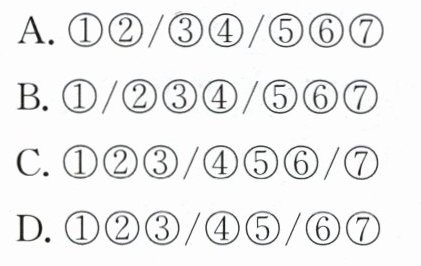
( )53. If we divide Para. 4 into three parts, which of the following is the best?
A. ①②/③④/⑤⑥⑦
B. ①/②③④/⑤⑥⑦
C. ①②③/④⑤⑥/⑦
D. ①②③/④⑤/⑥⑦
( )54. Which of the following has the same meaning as “reference” in Para. 5?
A. She made no reference to her illness.
B. There are many reference books in the library.
C. Before the interview, my teacher gave me a good reference.
D. Keep the list of numbers near the phone for easy reference.
( )55. What's the best title for this passage?
A. Sichuan — The Birth Place of Face-Changing
B. Face-Changing Performers
C. A Special Skill in Sichuan Opera
D. Intangible Cultural Heritages
When you travel in Chengdu, never miss the wonderful face-changing at the local tea houses. Let's learn something about it.
It is widely believed that the skill of face-changing could date back to ancient times. To scare away the dangerous animals and protect themselves, the ancient people painted their faces in different colors, making themselves look scary. Later, it developed into a famous art form(形式).
Generally speaking, there are three kinds of skills of face-changing, including wiping(擦) the face, blowing the face and pulling the face.
①Before performing the skill of wiping the face, the performer will first spread some special paint on the face. ②Then he could change the color of his face in a second by wiping it. ③When the actor performs the skill of blowing the face, he blows a small box full of cosmetic powders(化妆粉) which is placed on the stage. ④And then the powders are blown to his face, changing the color into another. ⑤The skill of pulling the face is more difficult. ⑥Under the cover of the dancing movements, the actor pulls each piece of the facial makeup which is tied with a thin thread(线). ⑦The performer must do the movement carefully and very quickly.
Face-changing is very amazing in Sichuan Opera. It is now widely used as reference by many other forms of opera both in China and the rest of the world, giving them much inspiration(灵感).
( )52. Why did the ancient people paint their faces in colors?
A. To make it become a famous art form.
B. To make themselves look more beautiful.
C. To show different feelings of different characters.
D. To scare away the dangerous animals and protect themselves.
( )53. If we divide Para. 4 into three parts, which of the following is the best?
A. ①②/③④/⑤⑥⑦
B. ①/②③④/⑤⑥⑦
C. ①②③/④⑤⑥/⑦
D. ①②③/④⑤/⑥⑦
( )54. Which of the following has the same meaning as “reference” in Para. 5?
A. She made no reference to her illness.
B. There are many reference books in the library.
C. Before the interview, my teacher gave me a good reference.
D. Keep the list of numbers near the phone for easy reference.
( )55. What's the best title for this passage?
A. Sichuan — The Birth Place of Face-Changing
B. Face-Changing Performers
C. A Special Skill in Sichuan Opera
D. Intangible Cultural Heritages
答案:
52. D 53. A 54. D 55. C
查看更多完整答案,请扫码查看

