

 搜索
搜索
第54页
- 第1页
- 第2页
- 第3页
- 第4页
- 第5页
- 第6页
- 第7页
- 第8页
- 第9页
- 第10页
- 第11页
- 第12页
- 第13页
- 第14页
- 第15页
- 第16页
- 第17页
- 第18页
- 第19页
- 第20页
- 第21页
- 第22页
- 第23页
- 第24页
- 第25页
- 第26页
- 第27页
- 第28页
- 第29页
- 第30页
- 第31页
- 第32页
- 第33页
- 第34页
- 第35页
- 第36页
- 第37页
- 第38页
- 第39页
- 第40页
- 第41页
- 第42页
- 第43页
- 第44页
- 第45页
- 第46页
- 第47页
- 第48页
- 第49页
- 第50页
- 第51页
- 第52页
- 第53页
- 第54页
- 第55页
- 第56页
- 第57页
- 第58页
- 第59页
- 第60页
- 第61页
- 第62页
- 第63页
- 第64页
- 第65页
- 第66页
- 第67页
- 第68页
- 第69页
- 第70页
- 第71页
- 第72页
- 第73页
- 第74页
- 第75页
- 第76页
- 第77页
- 第78页
- 第79页
- 第80页
Ⅰ. (2024·鹤壁市中考模拟)阅读理解。
The climate crisis (气候危机) may lead the human race to shrink in size, as mammals(哺乳类动物) with smaller size appear better able to deal with rising global temperatures, a leading fossil expert has said.
Professor Steve Brusatte at the University of Edinburgh suggested that the way in which other mammals have responded(反应) to periods of climate change before brought thoughts of humans’ future. He said the difficulty of people is similar to that of early horses, which became smaller in body size as temperatures rose around 55 million years ago.
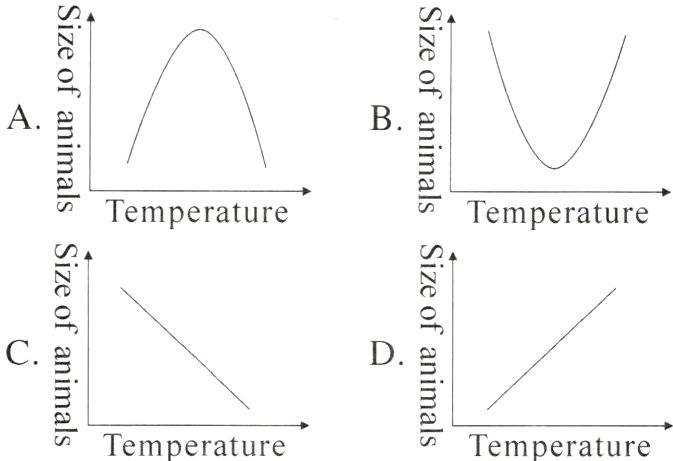
Brusatte notes that animals in warmer parts of the world today are often smaller than those in colder areas. “The reasons are not fully understood, but it is probably, in part, because smaller animals have a higher surface area relative to their size than larger animals and can thus better get rid of the excess(过多的) heat,” he writes.
Brusatte said that becoming smaller was “a common way that mammals deal with climate change”. He added, “That’s not to say every kind of mammal would get smaller, but it seems to be a common survival skill of mammals when temperatures rise pretty quickly. So it does raise the question:If temperatures do rise quickly, might humans get smaller? And I think that’s certainly possible.”
However, not all experts agree with that. Professor Adrian Lister, of the Natural History Museum in London, doubts that humans will shrink as the climate heats. “We are not really controlled by the nature,” he said. “If that was going to happen, you’d need to find large people dying before they could reproduce because of climate warming. That is not happening in today’s world. We wear clothes, we have got heating, we have got air conditioning if it is too hot.”
( )1. What does the underlined word “shrink” most probably mean in Chinese?
A. 增大 B. 增多 C. 缩小 D. 减少
( )2. What happened to the early horses according to the text?
A. They were greatly hunted by humans.
B. They died out because of the hot weather.
C. They became other animals in 55 million years.
D. They became smaller because of the climate change.
( )3. 新考法 跨学科知识 Which of the following matches Brusatte’s opinion best?
( )4. Why does the writer mention Lister’s words?
A. To support his idea.
B. To start a different topic.
C. To give another opinion.
D. To meet the readers’ need.
( )5. 新考法 文章来源 Where is the text probably from?
A. A history book.
B. A tourist guide.
C. A health magazine.
D. A science website.
The climate crisis (气候危机) may lead the human race to shrink in size, as mammals(哺乳类动物) with smaller size appear better able to deal with rising global temperatures, a leading fossil expert has said.
Professor Steve Brusatte at the University of Edinburgh suggested that the way in which other mammals have responded(反应) to periods of climate change before brought thoughts of humans’ future. He said the difficulty of people is similar to that of early horses, which became smaller in body size as temperatures rose around 55 million years ago.
Brusatte notes that animals in warmer parts of the world today are often smaller than those in colder areas. “The reasons are not fully understood, but it is probably, in part, because smaller animals have a higher surface area relative to their size than larger animals and can thus better get rid of the excess(过多的) heat,” he writes.
Brusatte said that becoming smaller was “a common way that mammals deal with climate change”. He added, “That’s not to say every kind of mammal would get smaller, but it seems to be a common survival skill of mammals when temperatures rise pretty quickly. So it does raise the question:If temperatures do rise quickly, might humans get smaller? And I think that’s certainly possible.”
However, not all experts agree with that. Professor Adrian Lister, of the Natural History Museum in London, doubts that humans will shrink as the climate heats. “We are not really controlled by the nature,” he said. “If that was going to happen, you’d need to find large people dying before they could reproduce because of climate warming. That is not happening in today’s world. We wear clothes, we have got heating, we have got air conditioning if it is too hot.”
( )1. What does the underlined word “shrink” most probably mean in Chinese?
A. 增大 B. 增多 C. 缩小 D. 减少
( )2. What happened to the early horses according to the text?
A. They were greatly hunted by humans.
B. They died out because of the hot weather.
C. They became other animals in 55 million years.
D. They became smaller because of the climate change.
( )3. 新考法 跨学科知识 Which of the following matches Brusatte’s opinion best?
( )4. Why does the writer mention Lister’s words?
A. To support his idea.
B. To start a different topic.
C. To give another opinion.
D. To meet the readers’ need.
( )5. 新考法 文章来源 Where is the text probably from?
A. A history book.
B. A tourist guide.
C. A health magazine.
D. A science website.
答案:
1-5 C D C C D
查看更多完整答案,请扫码查看

