

 搜索
搜索
第21页
- 第1页
- 第2页
- 第3页
- 第4页
- 第5页
- 第6页
- 第7页
- 第8页
- 第9页
- 第10页
- 第11页
- 第12页
- 第13页
- 第14页
- 第15页
- 第16页
- 第17页
- 第18页
- 第19页
- 第20页
- 第21页
- 第22页
- 第23页
- 第24页
- 第25页
- 第26页
- 第27页
- 第28页
- 第29页
- 第30页
- 第31页
- 第32页
- 第33页
- 第34页
- 第35页
- 第36页
- 第37页
- 第38页
- 第39页
- 第40页
- 第41页
- 第42页
- 第43页
- 第44页
- 第45页
- 第46页
- 第47页
- 第48页
- 第49页
- 第50页
- 第51页
- 第52页
- 第53页
- 第54页
- 第55页
- 第56页
- 第57页
- 第58页
- 第59页
- 第60页
- 第61页
- 第62页
- 第63页
- 第64页
- 第65页
- 第66页
- 第67页
- 第68页
- 第69页
- 第70页
- 第71页
- 第72页
- 第73页
- 第74页
- 第75页
- 第76页
- 第77页
- 第78页
- 第79页
- 第80页
- 第81页
- 第82页
Ⅳ 词汇运用(每小题 1分,共 5分)
根据句意和所给提示写单词。
28.人与自然·环保意识(2024山东五莲期末)Everybody should make an __________ /ˈefət/ to reduce pollution.
29.(2024四川眉山中考)Everyone is here e______ Alan, because he is still ill in hospital.
30.(2024安徽合肥庐阳区期末)Mike b________ (表现) well in school;that is to say, he never breaks the school rules.
31.思维品质·评价思维(2023江苏宿迁中考)The film Born to Fly is well w______ watching. You can’t miss it.
32.(2024四川眉山东坡区期末)—Linda, I’m coming to China next week.
—I’m glad to hear that. Let me give you some s__________ about Chinese customs first.
根据句意和所给提示写单词。
28.人与自然·环保意识(2024山东五莲期末)Everybody should make an __________ /ˈefət/ to reduce pollution.
29.(2024四川眉山中考)Everyone is here e______ Alan, because he is still ill in hospital.
30.(2024安徽合肥庐阳区期末)Mike b________ (表现) well in school;that is to say, he never breaks the school rules.
31.思维品质·评价思维(2023江苏宿迁中考)The film Born to Fly is well w______ watching. You can’t miss it.
32.(2024四川眉山东坡区期末)—Linda, I’m coming to China next week.
—I’m glad to hear that. Let me give you some s__________ about Chinese customs first.
答案:
28. effort 29. except 30. behaves 31. worth 32. suggestions
Ⅴ 阅读表达(每小题 3分,共 15分)
阅读文章,回答下列问题。
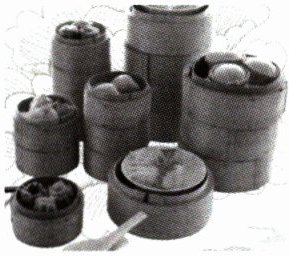
“Making dim sum isn’t easy,” says the cook Mak Kwai Pui. “There are many causes that can influence the taste—even the weather can.” As the cofounder of Tim Ho Wan, one of Hong Kong’s most popular dim sum restaurants, Mak knows what he is talking about.
In Chinese, “dim sum” exactly means “a light touch on the heart,” which is a perfect way to describe the small, delicious, sweet dishes. Common dishes include cha siu bao, haa gaau, siu mai, and fung jaau. Dim sum, however, is not just Cantonese cuisine (广东菜肴). It’s common across China. For example, Shanghai has xiao long bao, and there is chao shou in Sichuan.
“Generally, things remain the same,” Mak says, “except for those people who keep changing things.” Really, dim sum has seen some changes over the years. A snack that went with morning tea together before has become a popular meal for lunch and dinner as well. Traditional tea houses have given way to bigger, brighter and cleaner restaurants. You can even have business dinner in dim sum restaurants now.
While the dishes have got more beautiful, Mak says that one thing has not changed: Going out for dim sum or yum cha still makes people happy and lively, when family and friends get together to drink tea and enjoy different kinds of dishes served. The great popularity of the southern Chinese cuisine not only makes many people in Hong Kong feel proud, but is also an expression of their special culture.
Raised in a family in which everyone worked in restaurants, Mak believes that the cuisine, which brings people together, is an important part of Chinese culture. “A dim sum meal is friendly and usual,” he says. “For generations (一代代人), it’s been a tradition for Chinese families to go to yum cha on holidays. There’s a sense of sharing and companionship (陪伴) that comes with the food.”
33.Where does Mak Kwai Pui come from?
______________________________
34.Which dishes does dim sum probably include in Cantonese cuisine?
______________________________
35. How do people feel when going out for yum cha?
______________________________
36.What does Mak Kwai Pui think of yum cha on holidays?
______________________________
37.新考法·开放性试题 Would you like to go out for yum cha if you go to Guangdong? Why?
______________________________
阅读文章,回答下列问题。
“Making dim sum isn’t easy,” says the cook Mak Kwai Pui. “There are many causes that can influence the taste—even the weather can.” As the cofounder of Tim Ho Wan, one of Hong Kong’s most popular dim sum restaurants, Mak knows what he is talking about.
In Chinese, “dim sum” exactly means “a light touch on the heart,” which is a perfect way to describe the small, delicious, sweet dishes. Common dishes include cha siu bao, haa gaau, siu mai, and fung jaau. Dim sum, however, is not just Cantonese cuisine (广东菜肴). It’s common across China. For example, Shanghai has xiao long bao, and there is chao shou in Sichuan.
“Generally, things remain the same,” Mak says, “except for those people who keep changing things.” Really, dim sum has seen some changes over the years. A snack that went with morning tea together before has become a popular meal for lunch and dinner as well. Traditional tea houses have given way to bigger, brighter and cleaner restaurants. You can even have business dinner in dim sum restaurants now.
While the dishes have got more beautiful, Mak says that one thing has not changed: Going out for dim sum or yum cha still makes people happy and lively, when family and friends get together to drink tea and enjoy different kinds of dishes served. The great popularity of the southern Chinese cuisine not only makes many people in Hong Kong feel proud, but is also an expression of their special culture.
Raised in a family in which everyone worked in restaurants, Mak believes that the cuisine, which brings people together, is an important part of Chinese culture. “A dim sum meal is friendly and usual,” he says. “For generations (一代代人), it’s been a tradition for Chinese families to go to yum cha on holidays. There’s a sense of sharing and companionship (陪伴) that comes with the food.”
33.Where does Mak Kwai Pui come from?
______________________________
34.Which dishes does dim sum probably include in Cantonese cuisine?
______________________________
35. How do people feel when going out for yum cha?
______________________________
36.What does Mak Kwai Pui think of yum cha on holidays?
______________________________
37.新考法·开放性试题 Would you like to go out for yum cha if you go to Guangdong? Why?
______________________________
答案:
33. (Mak Kwai Pui/He comes from) Hong Kong. 从第一段中“As the cofounder of Tim Ho Wan, one of Hong Kong's most popular dim sum restaurants, Mak knows what he is talking about.”可知,作为香港最受欢迎的点心餐馆之一的“添好运”的共同创始人,Mak Kwai Pui知道自己在谈论什么。由此推知,Mak Kwai Pui来自香港。
34. Dim sum/It includes cha siu bao, haa gaaau, siu mai, and fung jaau. 从第二段中“Dim sum, however, is not just Cantonese cuisine. It's common across China.”可知,点心不仅仅是广东菜肴,在全国也很普遍。由此推知,上文中“Common dishes include cha siu bao, haa gaaau, siu mai, and fung jaau.(常见点心包含叉烧包、虾饺、烧麦和凤爪)”列举的常见点心都是广东菜肴。
35. People/They feel happy and lively. 从第四段中“Going out for dim sum or yum cha still makes people happy and lively”可知,出去吃点心或喝茶使人们高兴和活力十足。
36. It's been a tradition and there's a sense of sharing and companionship. 从最后一段中Mak Kwai Pui说的话可知答案。
37. Yes, I'd love to. Because I want to enjoy Cantonese cuisine/delicious taste of dim sum... 开放性试题,语法正确、合情合理的答案均可接受。
查看更多完整答案,请扫码查看

