

 搜索
搜索
第76页
- 第1页
- 第2页
- 第3页
- 第4页
- 第5页
- 第6页
- 第7页
- 第8页
- 第9页
- 第10页
- 第11页
- 第12页
- 第13页
- 第14页
- 第15页
- 第16页
- 第17页
- 第18页
- 第19页
- 第20页
- 第21页
- 第22页
- 第23页
- 第24页
- 第25页
- 第26页
- 第27页
- 第28页
- 第29页
- 第30页
- 第31页
- 第32页
- 第33页
- 第34页
- 第35页
- 第36页
- 第37页
- 第38页
- 第39页
- 第40页
- 第41页
- 第42页
- 第43页
- 第44页
- 第45页
- 第46页
- 第47页
- 第48页
- 第49页
- 第50页
- 第51页
- 第52页
- 第53页
- 第54页
- 第55页
- 第56页
- 第57页
- 第58页
- 第59页
- 第60页
- 第61页
- 第62页
- 第63页
- 第64页
- 第65页
- 第66页
- 第67页
- 第68页
- 第69页
- 第70页
- 第71页
- 第72页
- 第73页
- 第74页
- 第75页
- 第76页
- 第77页
- 第78页
- 第79页
- 第80页
- 第81页
- 第82页
- 第83页
- 第84页
- 第85页
- 第86页
- 第87页
- 第88页
- 第89页
- 第90页
- 第91页
- 第92页
- 第93页
- 第94页
- 第95页
- 第96页
- 第97页
- 第98页
- 第99页
- 第100页
- 第101页
- 第102页
- 第103页
- 第104页
- 第105页
- 第106页
- 第107页
- 第108页
- 第109页
- 第110页
- 第111页
- 第112页
- 第113页
- 第114页
- 第115页
- 第116页
- 第117页
- 第118页
- 第119页
- 第120页
- 第121页
- 第122页
- 第123页
- 第124页
- 第125页
- 第126页
- 第127页
- 第128页
- 第129页
- 第130页
- 第131页
- 第132页
- 第133页
- 第134页
- 第135页
- 第136页
- 第137页
- 第138页
Passage 2
题源 2024 湖南 话题 健康管理 体裁 说明文 难度 ★★★ 建议用时 6min 正确率 _/4
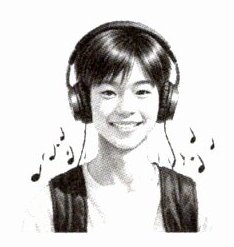
Headphones are helpful. Many kids use them. But headphones can be harmful, too. They can cause hearing loss if the volume(音量) is too loud. Studies show that one out of every ten kids in the United States has some hearing loss. The cause is loud noise.
Do you know how we hear? There are cells(细胞) inside the ears that help us hear. We can’t see them with our eyes. “We call them hair cells,” Jackie Clark said. “They look like hairs standing up.” Clark is a scientist at the University of Texas at Dallas. She studies noises and ears. Sound cannot be seen, but it can make the hair cells move back and forward. Think of the wind in the leaves.
Loud noises can damage(损伤) these cells. And once the cells are damaged, they don’t grow back. Sometimes, there’s tinnitus. “It’s like someone is playing a note on the flute(长笛) for a long time,” Clark says. It shows we’re losing hearing. Tinnitus is not only harmful to our ears; also it can make us feel uneasy. That’s why it’s necessary to protect our ears.
How can we protect our ears? We’d better keep the volume low when we use our headphones. We should be able to hear sounds around us. And other people shouldn’t hear noise from our headphones. “If I can hear what you’re listening to when you’re wearing your headphones,” Clark says, “it’s too loud.” To protect our ears, keep our headphones at about half volume.
( ) 1.What can we know about hair cells?
A.They help us hear.
B.They look like hairs lying down.
C.They can be seen clearly with our eyes.
( ) 2.What does the underlined word “tinnitus” mean in paragraph 3?
A.A musical voice.
B.A kind of instrument.
C.Ringing in ears.
( ) 3.What’s the main purpose of the last paragraph?
A.To give advice.
B.To show problems.
C.To explain reasons.
( ) 4.What’s the main idea of the passage?
A.Before listening to music, choose a good headphone.
B.When using a headphone, keep the volume low.
C.After using a headphone, check your ears.
题源 2024 湖南 话题 健康管理 体裁 说明文 难度 ★★★ 建议用时 6min 正确率 _/4
Headphones are helpful. Many kids use them. But headphones can be harmful, too. They can cause hearing loss if the volume(音量) is too loud. Studies show that one out of every ten kids in the United States has some hearing loss. The cause is loud noise.
Do you know how we hear? There are cells(细胞) inside the ears that help us hear. We can’t see them with our eyes. “We call them hair cells,” Jackie Clark said. “They look like hairs standing up.” Clark is a scientist at the University of Texas at Dallas. She studies noises and ears. Sound cannot be seen, but it can make the hair cells move back and forward. Think of the wind in the leaves.
Loud noises can damage(损伤) these cells. And once the cells are damaged, they don’t grow back. Sometimes, there’s tinnitus. “It’s like someone is playing a note on the flute(长笛) for a long time,” Clark says. It shows we’re losing hearing. Tinnitus is not only harmful to our ears; also it can make us feel uneasy. That’s why it’s necessary to protect our ears.
How can we protect our ears? We’d better keep the volume low when we use our headphones. We should be able to hear sounds around us. And other people shouldn’t hear noise from our headphones. “If I can hear what you’re listening to when you’re wearing your headphones,” Clark says, “it’s too loud.” To protect our ears, keep our headphones at about half volume.
( ) 1.What can we know about hair cells?
A.They help us hear.
B.They look like hairs lying down.
C.They can be seen clearly with our eyes.
( ) 2.What does the underlined word “tinnitus” mean in paragraph 3?
A.A musical voice.
B.A kind of instrument.
C.Ringing in ears.
( ) 3.What’s the main purpose of the last paragraph?
A.To give advice.
B.To show problems.
C.To explain reasons.
( ) 4.What’s the main idea of the passage?
A.Before listening to music, choose a good headphone.
B.When using a headphone, keep the volume low.
C.After using a headphone, check your ears.
答案:
【解析】细节理解题。由第二段中“There are cells inside the ears that help us hear. We can’t see them with our eyes. ‘We call them hair cells,’ Jackie Clark said.”可知 A 为正确选项。@@【解析】词义猜测题。由第三段中“‘It’s like someone is playing a note on the flute for a long time,’ Clark says.”以及“It shows we’re losing hearing.”可知“tinnitus”意为“耳鸣”。故选 C。@@【解析】目的意图题。由第四段中的“How can we protect our ears? We’d better...We should be able to...”可知,最后一段是提建议。故选 A。@@【解析】主旨大意题。文章主要介绍了耳机音量过大对人的听力有可能造成损伤,建议我们降低耳机音量以保护耳朵。故选 B。
查看更多完整答案,请扫码查看

