

 搜索
搜索
第144页
- 第1页
- 第2页
- 第3页
- 第4页
- 第5页
- 第6页
- 第7页
- 第8页
- 第9页
- 第10页
- 第11页
- 第12页
- 第13页
- 第14页
- 第15页
- 第16页
- 第17页
- 第18页
- 第19页
- 第20页
- 第21页
- 第22页
- 第23页
- 第24页
- 第25页
- 第26页
- 第27页
- 第28页
- 第29页
- 第30页
- 第31页
- 第32页
- 第33页
- 第34页
- 第35页
- 第36页
- 第37页
- 第38页
- 第39页
- 第40页
- 第41页
- 第42页
- 第43页
- 第44页
- 第45页
- 第46页
- 第47页
- 第48页
- 第49页
- 第50页
- 第51页
- 第52页
- 第53页
- 第54页
- 第55页
- 第56页
- 第57页
- 第58页
- 第59页
- 第60页
- 第61页
- 第62页
- 第63页
- 第64页
- 第65页
- 第66页
- 第67页
- 第68页
- 第69页
- 第70页
- 第71页
- 第72页
- 第73页
- 第74页
- 第75页
- 第76页
- 第77页
- 第78页
- 第79页
- 第80页
- 第81页
- 第82页
- 第83页
- 第84页
- 第85页
- 第86页
- 第87页
- 第88页
- 第89页
- 第90页
- 第91页
- 第92页
- 第93页
- 第94页
- 第95页
- 第96页
- 第97页
- 第98页
- 第99页
- 第100页
- 第101页
- 第102页
- 第103页
- 第104页
- 第105页
- 第106页
- 第107页
- 第108页
- 第109页
- 第110页
- 第111页
- 第112页
- 第113页
- 第114页
- 第115页
- 第116页
- 第117页
- 第118页
- 第119页
- 第120页
- 第121页
- 第122页
- 第123页
- 第124页
- 第125页
- 第126页
- 第127页
- 第128页
- 第129页
- 第130页
- 第131页
- 第132页
- 第133页
- 第134页
- 第135页
- 第136页
- 第137页
- 第138页
- 第139页
- 第140页
- 第141页
- 第142页
- 第143页
- 第144页
- 第145页
- 第146页
- 第147页
- 第148页
- 第149页
- 第150页
- 第151页
- 第152页
- 第153页
- 第154页
- 第155页
- 第156页
- 第157页
- 第158页
- 第159页
- 第160页
- 第161页
- 第162页
- 第163页
- 第164页
- 第165页
- 第166页
- 第167页
- 第168页
- 第169页
- 第170页
D
As heat waves spread across many parts of the world, homes around the world badly need to be changed to help deal with a hotter climate. Though air conditioners(空调) seem like a quick fix, scientists warn they may use too much electricity and harm the environment.
A greener choice is “passive cooling” technologies—methods to cool homes without using much energy. Mr Bertiey from the East University of Technology studied a house built in 2023 and found it became dangerously hot in summer. Then he studied solutions. Through computer tests, he learned that adding a wind catcher worked best. Wind catchers get the cooler wind from high above the ground and direct it into the building. In this way, it pushes out the warmer air inside the house. However, although it is easy to fit wind catchers to new homes, the fitting process might be expensive.
Besides, studies show that simple daily habits can make a big difference. For example, opening windows at night and using shades(遮阳帘) during the day can reduce indoor temperatures by 14℃ during a heat wave. Mr Bertiey explains, “Most heat comes from sunlight through windows or from home appliances(家用电器). Hot outdoor air itself isn't the biggest problem.”
To stay safe in hot weather, Mr Bertiey advises people to open all windows at night when outdoor air cools down. Once temperatures rise outside, closing windows and using shades can help trap cooler air indoors. At the same time, blocking sunlight from entering the house is key to controlling indoor heat.
These simple steps can keep homes cooler and safer without wasting energy. By making smart choices, we can fight extreme(极端的) heat while protecting our planet.
(
A. Its high cost. B. Its big size. C. Its old fashion. D. Its poor effect.
(
A. Hot air outside the room. B. Shades in the house.
C. Poorly-designed windows. D. The fridge at home.
(
A. Throw away. B. Keep inside. C. Find quickly. D. Clean completely.
(
A. How to Keep Homes Cool B. How to Fit Air Conditioners
C. How to Use a Wind Catcher D. How to Save Energy in Summer
As heat waves spread across many parts of the world, homes around the world badly need to be changed to help deal with a hotter climate. Though air conditioners(空调) seem like a quick fix, scientists warn they may use too much electricity and harm the environment.
A greener choice is “passive cooling” technologies—methods to cool homes without using much energy. Mr Bertiey from the East University of Technology studied a house built in 2023 and found it became dangerously hot in summer. Then he studied solutions. Through computer tests, he learned that adding a wind catcher worked best. Wind catchers get the cooler wind from high above the ground and direct it into the building. In this way, it pushes out the warmer air inside the house. However, although it is easy to fit wind catchers to new homes, the fitting process might be expensive.
Besides, studies show that simple daily habits can make a big difference. For example, opening windows at night and using shades(遮阳帘) during the day can reduce indoor temperatures by 14℃ during a heat wave. Mr Bertiey explains, “Most heat comes from sunlight through windows or from home appliances(家用电器). Hot outdoor air itself isn't the biggest problem.”
To stay safe in hot weather, Mr Bertiey advises people to open all windows at night when outdoor air cools down. Once temperatures rise outside, closing windows and using shades can help trap cooler air indoors. At the same time, blocking sunlight from entering the house is key to controlling indoor heat.
These simple steps can keep homes cooler and safer without wasting energy. By making smart choices, we can fight extreme(极端的) heat while protecting our planet.
(
A
)37. What is the problem of a wind catcher?A. Its high cost. B. Its big size. C. Its old fashion. D. Its poor effect.
(
D
)38. According to Mr Bertiey, where does most heat in a room come from?A. Hot air outside the room. B. Shades in the house.
C. Poorly-designed windows. D. The fridge at home.
(
B
)39. What does the underlined word “trap” in Paragraph 4 mean?A. Throw away. B. Keep inside. C. Find quickly. D. Clean completely.
(
A
)40. What can be a suitable title for the passage?A. How to Keep Homes Cool B. How to Fit Air Conditioners
C. How to Use a Wind Catcher D. How to Save Energy in Summer
答案:
37.A 38.D 39.B 40.A
第二节 请认真阅读下面短文,从短文后所给的六个选项中选出五个可以填入空白处的最佳选项。
Everybody knows that there are usually four seasons in a year. 41. ______
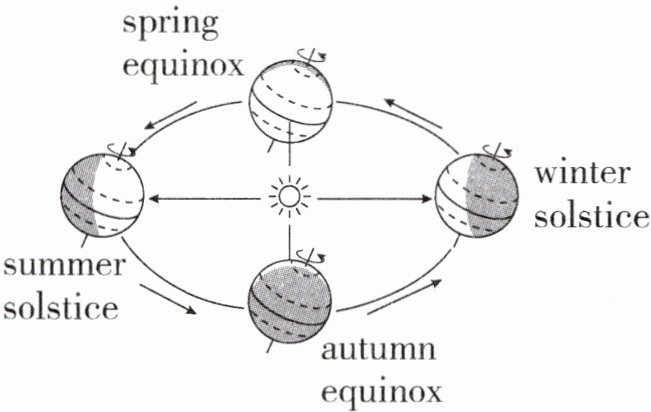
As our planet moves around the sun, the light from the sun falls on the earth from different directions. This helps create the seasons. At different times of year, there is more sunlight in some places and less sunlight in others. More sunlight means longer days and warmer weather. 42. ______ It gets colder in autumn and winter because the days are shorter, and we get less light from the sun.
The seasons fall at different times of year around the world. For example, China is to the north of the equator(赤道). Here, we experience summer from June to August. 43. ______ In Australia, it is summer from December to February, and Australians have their spring when we have our autumn.
44. ______ The hottest and coldest parts of the world usually have only two seasons. It is always hot in places close to the equator. These places are called the tropics(热带地区). Instead of our four seasons, many parts of the tropics have a rainy season and a dry season. 45. ______ Around the North and South Poles, there are only two seasons too: a very, very cold winter and a somewhat less cold summer.
A. This is why we have spring and summer.
B. But do you know the colours of the four seasons?
C. People will never experience winter in these areas.
D. But do you know how the four seasons are formed?
E. Not all places in the world have four seasons like ours.
F. To the south of the equator, June, July and August are winter months.
Everybody knows that there are usually four seasons in a year. 41. ______
As our planet moves around the sun, the light from the sun falls on the earth from different directions. This helps create the seasons. At different times of year, there is more sunlight in some places and less sunlight in others. More sunlight means longer days and warmer weather. 42. ______ It gets colder in autumn and winter because the days are shorter, and we get less light from the sun.
The seasons fall at different times of year around the world. For example, China is to the north of the equator(赤道). Here, we experience summer from June to August. 43. ______ In Australia, it is summer from December to February, and Australians have their spring when we have our autumn.
44. ______ The hottest and coldest parts of the world usually have only two seasons. It is always hot in places close to the equator. These places are called the tropics(热带地区). Instead of our four seasons, many parts of the tropics have a rainy season and a dry season. 45. ______ Around the North and South Poles, there are only two seasons too: a very, very cold winter and a somewhat less cold summer.
A. This is why we have spring and summer.
B. But do you know the colours of the four seasons?
C. People will never experience winter in these areas.
D. But do you know how the four seasons are formed?
E. Not all places in the world have four seasons like ours.
F. To the south of the equator, June, July and August are winter months.
答案:
41.D 42.A 43.F 44.E 45.C
查看更多完整答案,请扫码查看

