

 搜索
搜索
第19页
- 第1页
- 第2页
- 第3页
- 第4页
- 第5页
- 第6页
- 第7页
- 第8页
- 第9页
- 第10页
- 第11页
- 第12页
- 第13页
- 第14页
- 第15页
- 第16页
- 第17页
- 第18页
- 第19页
- 第20页
- 第21页
- 第22页
- 第23页
- 第24页
- 第25页
- 第26页
- 第27页
- 第28页
- 第29页
- 第30页
- 第31页
- 第32页
- 第33页
- 第34页
- 第35页
- 第36页
- 第37页
- 第38页
- 第39页
- 第40页
- 第41页
- 第42页
- 第43页
- 第44页
- 第45页
- 第46页
- 第47页
- 第48页
- 第49页
- 第50页
- 第51页
- 第52页
- 第53页
- 第54页
- 第55页
- 第56页
- 第57页
- 第58页
- 第59页
- 第60页
- 第61页
- 第62页
- 第63页
- 第64页
- 第65页
- 第66页
- 第67页
- 第68页
- 第69页
- 第70页
- 第71页
- 第72页
- 第73页
- 第74页
Ⅰ.读一读,选择句子语调标注正确的一项。
( )1.A.David,open the ↗door.
B.David,open the ↘ door.
( )2.A.Would you like some ↗ milk?
B.Would you like some ↘ milk?
( )3.A.Would you like ↘ coffee or↗ tea?
B.Would you like ↗ coffee or ↘ tea?
( )4.A.We can bring some ↗apples, some ↗ bananas and some ↘ pears.
B.We can bring some ↘ apples, some ↘ bananas and some ↗pears.
( )1.A.David,open the ↗door.
B.David,open the ↘ door.
( )2.A.Would you like some ↗ milk?
B.Would you like some ↘ milk?
( )3.A.Would you like ↘ coffee or↗ tea?
B.Would you like ↗ coffee or ↘ tea?
( )4.A.We can bring some ↗apples, some ↗ bananas and some ↘ pears.
B.We can bring some ↘ apples, some ↘ bananas and some ↗pears.
答案:
1—4 BABA
Ⅱ.根据图片及首字母提示完成句子。
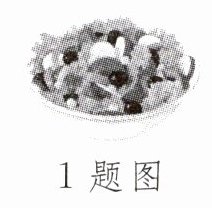
1.Now many people eat the s____ to keep fit.
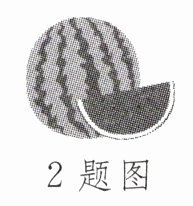
2.It's so hot today.Let's buy some w____.
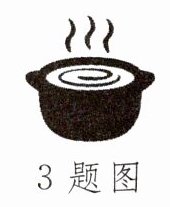
3.I miss Grandma's s____.It makes me warm in cold days.
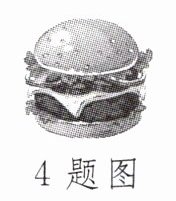
4.Luna never eats h____ because she thinks they're unhealthy.
1.Now many people eat the s____ to keep fit.
2.It's so hot today.Let's buy some w____.
3.I miss Grandma's s____.It makes me warm in cold days.
4.Luna never eats h____ because she thinks they're unhealthy.
答案:
1. salad 2. watermelons 3. soup 4. hamburgers
Ⅲ.用括号内所给单词的适当形式填空。
1.(洛阳期中)There ____(be) some mutton in the noodles.
2.(台州二模改编)Good eating ____(habit) are helpful to our health.
3.It's necessary for us to have a ____(balance) diet if we want to keep healthy.
4.(重庆期末)My friends would like ____(visit) us next week.I'm so happy about that.
1.(洛阳期中)There ____(be) some mutton in the noodles.
2.(台州二模改编)Good eating ____(habit) are helpful to our health.
3.It's necessary for us to have a ____(balance) diet if we want to keep healthy.
4.(重庆期末)My friends would like ____(visit) us next week.I'm so happy about that.
答案:
1. is 2. habits 3. balanced 4. to visit
( )1.Look! Those ____ are eating ____.
A.children;potatoes
B.child;potato
C.children;potato
D.child;potatoes
A.children;potatoes
B.child;potato
C.children;potato
D.child;potatoes
答案:
A
( )2.—Do you want to go by bus ____ by subway?
—By bus.
A.and
B.but
C.or
D.so
—By bus.
A.and
B.but
C.or
D.so
答案:
C
Ⅳ.(保定期中)补全对话。
A:Hi,Mike.Do you live a healthy life?
B:Sure,I think so.
A:That's great.1.____
B:I usually get up at 6:00 in the morning.
A:What do you do after that?
B:2.____ What about you?
A:I have breakfast too.3.____
B:I usually have noodles, eggs and some fruit for breakfast.
A:OK.4.____
B:Yes,I do sport every day.
A:Is basketball your favourite sport?
B:5.____ I like playing basketball very much.
A:Me too.Now let's go to the playground to play basketball.
B:OK.Let's go.
A:Hi,Mike.Do you live a healthy life?
B:Sure,I think so.
A:That's great.1.____
B:I usually get up at 6:00 in the morning.
A:What do you do after that?
B:2.____ What about you?
A:I have breakfast too.3.____
B:I usually have noodles, eggs and some fruit for breakfast.
A:OK.4.____
B:Yes,I do sport every day.
A:Is basketball your favourite sport?
B:5.____ I like playing basketball very much.
A:Me too.Now let's go to the playground to play basketball.
B:OK.Let's go.
答案:
1. What time do you usually get up? 【点拨】根据“I usually get up at 6:00 in the morning.”可知,此处询问对方通常什么时候起床。
2. I have breakfast. 【点拨】根据“I have breakfast too.”可知,此处介绍自己在起床之后吃早饭。
3. What do you usually have for breakfast? 【点拨】根据“I usually have noodles, eggs and some fruit for breakfast.”可知,此处询问对方早饭通常吃什么。
4. Do you often do sport? /Do you do sport every day? 【点拨】根据“Yes, I do sport every day.”可知,此处询问对方是否经常做运动或每天做运动。
5. Yes, it is. 【点拨】根据“Is basketball your favourite sport?”以及“I like playing basketball very much.”可知,此处表示篮球是自己最喜欢的运动,作肯定回答。
2. I have breakfast. 【点拨】根据“I have breakfast too.”可知,此处介绍自己在起床之后吃早饭。
3. What do you usually have for breakfast? 【点拨】根据“I usually have noodles, eggs and some fruit for breakfast.”可知,此处询问对方早饭通常吃什么。
4. Do you often do sport? /Do you do sport every day? 【点拨】根据“Yes, I do sport every day.”可知,此处询问对方是否经常做运动或每天做运动。
5. Yes, it is. 【点拨】根据“Is basketball your favourite sport?”以及“I like playing basketball very much.”可知,此处表示篮球是自己最喜欢的运动,作肯定回答。
查看更多完整答案,请扫码查看

