

 搜索
搜索
第32页
- 第4页
- 第5页
- 第6页
- 第7页
- 第8页
- 第9页
- 第10页
- 第11页
- 第12页
- 第13页
- 第14页
- 第15页
- 第16页
- 第17页
- 第18页
- 第19页
- 第20页
- 第21页
- 第22页
- 第23页
- 第24页
- 第25页
- 第26页
- 第27页
- 第28页
- 第29页
- 第30页
- 第31页
- 第32页
- 第33页
- 第34页
- 第35页
- 第36页
- 第37页
- 第38页
- 第39页
- 第40页
- 第41页
- 第42页
- 第43页
- 第44页
- 第45页
- 第46页
- 第47页
- 第48页
- 第49页
- 第50页
- 第51页
- 第52页
- 第53页
- 第54页
- 第55页
- 第56页
- 第57页
- 第58页
- 第59页
- 第60页
- 第61页
- 第62页
- 第63页
- 第64页
- 第65页
- 第66页
- 第67页
- 第68页
- 第69页
- 第70页
- 第71页
- 第72页
- 第73页
- 第74页
- 第75页
Mark Levine, who is 76 years old, has been living in China for 19 years. He is an American 1 and songwriter. He has written more than 80 songs, most of which are inspired by his true 2 in China.
Mark is now an educator at the Minzu University of China. About half of the students come from Chinese minorities(少数民族). Most of the time, through his students, he learns about their 3 traditions. “I am here as a teacher, but I think my students have taught me as much as I have taught them,” Mark said.
Mark has travelled to many parts of China and seen some 4 in China over these years. He clearly remembers his first long - distance trip in China. It 5 him a few hours by plane and then two hours by car before reaching his destination(目的地). But nowadays, 6 the high - speed railway and highways, he can reach the same destination within two hours.
China’s electronic payment and shared bicycles have given people a 7 life. However, when asked about the biggest change, he said that must be the increase in confidence of students. When he first arrived in China, a lot of students were very shy and they were unsure 8 their future. But now to his 9 , they are confident to share their views about China and foreign countries.
“You can always find things that you’re not expecting and discover new things that you’re able to learn. That’s perhaps the most 10 thing about being in China,” said Mark.
( )1. A. painter B. singer C. researcher D. businessman
( )2. A. awards B. advantages C. information D. experiences
( )3. A. easy B. special C. secret D. perfect
( )4. A. changes B. choices C. challenges D. chances
( )5. A. cost B. spent C. took D. paid
( )6. A. thanks to B. according to C. instead of D. because of
( )7. A. healthy B. necessary C. personal D. convenient
( )8. A. at B. about C. in D. on
( )9. A. interest B. regret C. surprise D. luck
( )10. A. boring B. disappointing C. difficult D. exciting
Mark is now an educator at the Minzu University of China. About half of the students come from Chinese minorities(少数民族). Most of the time, through his students, he learns about their 3 traditions. “I am here as a teacher, but I think my students have taught me as much as I have taught them,” Mark said.
Mark has travelled to many parts of China and seen some 4 in China over these years. He clearly remembers his first long - distance trip in China. It 5 him a few hours by plane and then two hours by car before reaching his destination(目的地). But nowadays, 6 the high - speed railway and highways, he can reach the same destination within two hours.
China’s electronic payment and shared bicycles have given people a 7 life. However, when asked about the biggest change, he said that must be the increase in confidence of students. When he first arrived in China, a lot of students were very shy and they were unsure 8 their future. But now to his 9 , they are confident to share their views about China and foreign countries.
“You can always find things that you’re not expecting and discover new things that you’re able to learn. That’s perhaps the most 10 thing about being in China,” said Mark.
( )1. A. painter B. singer C. researcher D. businessman
( )2. A. awards B. advantages C. information D. experiences
( )3. A. easy B. special C. secret D. perfect
( )4. A. changes B. choices C. challenges D. chances
( )5. A. cost B. spent C. took D. paid
( )6. A. thanks to B. according to C. instead of D. because of
( )7. A. healthy B. necessary C. personal D. convenient
( )8. A. at B. about C. in D. on
( )9. A. interest B. regret C. surprise D. luck
( )10. A. boring B. disappointing C. difficult D. exciting
答案:
1—5 B D B A C 6—10 A D B C D
A
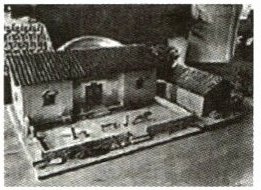
Most people remember their childhood by looking at old photos or videos. But for some, they choose to remember it by making models of their old homes where they grew up.
Du Yi, a Chinese miniature(微缩模型) artist, used to make models of historic buildings. One day, a friend asked him to make a model of his old home in the countryside. He thought it was meaningful, so he helped. After he posted a short video online, it went viral. He won thousands of followers. Today, he has over 200,000 followers online.
Du often makes the miniature house 30 times smaller than its real size. It usually takes him one to two months to make a model with the pictures provided by customers. Hundreds of small pieces and about 50 different materials, including wood, paper, and materials straight from nature are used. He often visits the villages to take a closer look at the details. He can spend the whole week studying one building, trying to understand the story, shapes and colours. “I have to be very careful about the details. If they are good, the work will come to life,” Du says. His miniature houses are sold at a starting price of around 20,000 yuan.
“When I first saw the model of my old home, it took me back to my childhood. Grandfather taught me how to farm and make toys from things around us,” says Hao Wei, one of Du’s customers.
When a skillful hand meets the need of people, a good business starts.
( )1. How do most people remember their childhood according to the passage?
A. By taking new photos.
B. By watching TV.
C. By looking at old photos.
D. By visiting friends.
( )2. What does the underlined word “viral” in Paragraph 2 mean?
A. Difficult. B. Popular. C. Terrible. D. Important.
( )3. What can we learn from the passage?
A. Du Yi is believed to be the best miniature artist in China.
B. People who need miniature houses want to live in the past.
C. Miniature artists make a lot of money by posting videos online.
D. Du Yi’s excellent skills and hard work are helpful for his success.
Most people remember their childhood by looking at old photos or videos. But for some, they choose to remember it by making models of their old homes where they grew up.
Du Yi, a Chinese miniature(微缩模型) artist, used to make models of historic buildings. One day, a friend asked him to make a model of his old home in the countryside. He thought it was meaningful, so he helped. After he posted a short video online, it went viral. He won thousands of followers. Today, he has over 200,000 followers online.
Du often makes the miniature house 30 times smaller than its real size. It usually takes him one to two months to make a model with the pictures provided by customers. Hundreds of small pieces and about 50 different materials, including wood, paper, and materials straight from nature are used. He often visits the villages to take a closer look at the details. He can spend the whole week studying one building, trying to understand the story, shapes and colours. “I have to be very careful about the details. If they are good, the work will come to life,” Du says. His miniature houses are sold at a starting price of around 20,000 yuan.
“When I first saw the model of my old home, it took me back to my childhood. Grandfather taught me how to farm and make toys from things around us,” says Hao Wei, one of Du’s customers.
When a skillful hand meets the need of people, a good business starts.
( )1. How do most people remember their childhood according to the passage?
A. By taking new photos.
B. By watching TV.
C. By looking at old photos.
D. By visiting friends.
( )2. What does the underlined word “viral” in Paragraph 2 mean?
A. Difficult. B. Popular. C. Terrible. D. Important.
( )3. What can we learn from the passage?
A. Du Yi is believed to be the best miniature artist in China.
B. People who need miniature houses want to live in the past.
C. Miniature artists make a lot of money by posting videos online.
D. Du Yi’s excellent skills and hard work are helpful for his success.
答案:
1—3 C B D
查看更多完整答案,请扫码查看

