

 搜索
搜索
第156页
- 第1页
- 第2页
- 第3页
- 第4页
- 第5页
- 第6页
- 第7页
- 第8页
- 第9页
- 第10页
- 第11页
- 第12页
- 第13页
- 第14页
- 第15页
- 第16页
- 第17页
- 第18页
- 第19页
- 第20页
- 第21页
- 第22页
- 第23页
- 第24页
- 第25页
- 第26页
- 第27页
- 第28页
- 第29页
- 第30页
- 第31页
- 第32页
- 第33页
- 第34页
- 第35页
- 第36页
- 第37页
- 第38页
- 第39页
- 第40页
- 第41页
- 第42页
- 第43页
- 第44页
- 第45页
- 第46页
- 第47页
- 第48页
- 第49页
- 第50页
- 第51页
- 第52页
- 第53页
- 第54页
- 第55页
- 第56页
- 第57页
- 第58页
- 第59页
- 第60页
- 第61页
- 第62页
- 第63页
- 第64页
- 第65页
- 第66页
- 第67页
- 第68页
- 第69页
- 第70页
- 第71页
- 第72页
- 第73页
- 第74页
- 第75页
- 第76页
- 第77页
- 第78页
- 第79页
- 第80页
- 第81页
- 第82页
- 第83页
- 第84页
- 第85页
- 第86页
- 第87页
- 第88页
- 第89页
- 第90页
- 第91页
- 第92页
- 第93页
- 第94页
- 第95页
- 第96页
- 第97页
- 第98页
- 第99页
- 第100页
- 第101页
- 第102页
- 第103页
- 第104页
- 第105页
- 第106页
- 第107页
- 第108页
- 第109页
- 第110页
- 第111页
- 第112页
- 第113页
- 第114页
- 第115页
- 第116页
- 第117页
- 第118页
- 第119页
- 第120页
- 第121页
- 第122页
- 第123页
- 第124页
- 第125页
- 第126页
- 第127页
- 第128页
- 第129页
- 第130页
- 第131页
- 第132页
- 第133页
- 第134页
- 第135页
- 第136页
- 第137页
- 第138页
- 第139页
- 第140页
- 第141页
- 第142页
- 第143页
- 第144页
- 第145页
- 第146页
- 第147页
- 第148页
- 第149页
- 第150页
- 第151页
- 第152页
- 第153页
- 第154页
- 第155页
- 第156页
- 第157页
- 第158页
- 第159页
- 第160页
- 第161页
- 第162页
- 第163页
- 第164页
- 第165页
- 第166页
- 第167页
- 第168页
- 第169页
- 第170页
- 第171页
- 第172页
- 第173页
一、阅读下面短文,从方框内的选项中选出可以填入空白处的最佳选项。
A. stick to B. at an end C. for a while
D. prepare for E. a little bit
Making plans or resolutions is a useful skill for everyone, even if you feel 1
A. stick to B. at an end C. for a while
D. prepare for E. a little bit
Making plans or resolutions is a useful skill for everyone, even if you feel 1
E
unsure at first. Plans help us break big goals into small steps. For example, if you want to get better at English, you can review your notes 2C
each day. When you 3A
your plan, you won't feel lost. Good plans also help us 4D
unexpected things, so that you'll feel more confident when a sudden thing happen. When a term is 5B
, plans let you look back and see how much you achieved. So start making simple plans today—they are the first step to a more meaningful life!
答案:
E; C; A; D; B
二、阅读短文,根据短文内容选择正确答案。
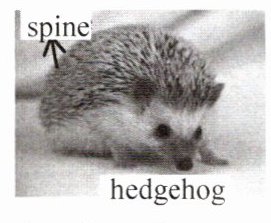
One sunny day, a hungry fox named Felix saw a hedgehog named Heidi slowly walking through the forest. “What a small meal she would be,” thought Felix. But Heidi’s sharp spines made her hard to catch. Felix decided to trick her.
“Hello, beautiful Heidi,” said Felix. “Why do you always carry those ugly spines? They make you look strange. Come, let's be friends. You don't need those spines with me.” Heidi knew foxes were tricky(狡猾的). She said, “My spines protect me from danger. They may not look pretty, but they keep me safe.” Felix didn't give up.
The next day, he said, “I found a lovely berry patch(浆果丛). Let's go eat together! You can leave your spines here—no one will take them.” Heidi smiled. “Thank you, but I'll take my spines with me. Even when eating, I need to be careful.”
Weeks passed, and Felix tried many tricks, but Heidi always stayed alert. One day, Felix got angry and jumped at Heidi. But Heidi curled(卷) into a ball, and her spines hurt Felix’s nose. “Ouch!” he cried. “You're right, Heidi. Your spines are not just for looking—they're your best protector.” From then on, Felix never tried to trick Heidi.
1. What is the main problem in the story?
A. Heidi is lost in the forest.
B. Felix wants to trick and catch Heidi.
C. Heidi’s spines are broken.
(
2. Why does Felix say Heidi’s spines are “ugly”?
A. He wants to make friends with Heidi.
B. He thinks spines are not beautiful.
C. He hopes Heidi will take off her spines.
(
3. How does Heidi protect herself from Felix?
A. She runs away very fast.
B. She uses her sharp spines.
C. She hides in the berry patch.
(
4. What does the phrase “stayed alert” mean in Paragraph 4?
A. Slept well
B. Stayed careful
C. Ate a lot
(
5. What is the lesson of the story?
A. Always trust new friends.
B. Strong bodies are more important than brains.
C. Stay alert and use your strength to protect yourself.
(
One sunny day, a hungry fox named Felix saw a hedgehog named Heidi slowly walking through the forest. “What a small meal she would be,” thought Felix. But Heidi’s sharp spines made her hard to catch. Felix decided to trick her.
“Hello, beautiful Heidi,” said Felix. “Why do you always carry those ugly spines? They make you look strange. Come, let's be friends. You don't need those spines with me.” Heidi knew foxes were tricky(狡猾的). She said, “My spines protect me from danger. They may not look pretty, but they keep me safe.” Felix didn't give up.
The next day, he said, “I found a lovely berry patch(浆果丛). Let's go eat together! You can leave your spines here—no one will take them.” Heidi smiled. “Thank you, but I'll take my spines with me. Even when eating, I need to be careful.”
Weeks passed, and Felix tried many tricks, but Heidi always stayed alert. One day, Felix got angry and jumped at Heidi. But Heidi curled(卷) into a ball, and her spines hurt Felix’s nose. “Ouch!” he cried. “You're right, Heidi. Your spines are not just for looking—they're your best protector.” From then on, Felix never tried to trick Heidi.
1. What is the main problem in the story?
A. Heidi is lost in the forest.
B. Felix wants to trick and catch Heidi.
C. Heidi’s spines are broken.
(
B
)2. Why does Felix say Heidi’s spines are “ugly”?
A. He wants to make friends with Heidi.
B. He thinks spines are not beautiful.
C. He hopes Heidi will take off her spines.
(
C
)3. How does Heidi protect herself from Felix?
A. She runs away very fast.
B. She uses her sharp spines.
C. She hides in the berry patch.
(
B
)4. What does the phrase “stayed alert” mean in Paragraph 4?
A. Slept well
B. Stayed careful
C. Ate a lot
(
B
)5. What is the lesson of the story?
A. Always trust new friends.
B. Strong bodies are more important than brains.
C. Stay alert and use your strength to protect yourself.
(
C
)
答案:
B; C; B; B; C
查看更多完整答案,请扫码查看

