

 搜索
搜索
第9页
- 第2页
- 第3页
- 第4页
- 第5页
- 第6页
- 第7页
- 第8页
- 第9页
- 第10页
- 第11页
- 第12页
- 第13页
- 第14页
- 第15页
- 第16页
- 第17页
- 第18页
- 第19页
- 第20页
- 第21页
- 第22页
- 第23页
- 第24页
- 第25页
- 第26页
- 第27页
- 第28页
- 第29页
- 第30页
- 第31页
- 第32页
- 第33页
- 第34页
- 第35页
- 第36页
- 第37页
- 第38页
- 第39页
- 第40页
- 第41页
- 第42页
- 第43页
- 第44页
- 第45页
- 第46页
- 第47页
- 第48页
- 第49页
- 第50页
- 第51页
- 第52页
- 第53页
- 第54页
- 第55页
- 第56页
- 第57页
- 第58页
- 第59页
- 第60页
- 第61页
- 第62页
- 第63页
- 第64页
- 第65页
- 第66页
- 第67页
- 第68页
- 第69页
- 第70页
- 第71页
- 第72页
- 第73页
- 第74页
- 第75页
- 第76页
- 第77页
- 第78页
- 第79页
- 第80页
- 第81页
- 第82页
- 第83页
- 第84页
- 第85页
- 第86页
- 第87页
- 第88页
- 第89页
- 第90页
- 第91页
- 第92页
- 第93页
- 第94页
- 第95页
- 第96页
- 第97页
- 第98页
- 第99页
- 第100页
- 第101页
- 第102页
- 第103页
- 第104页
- 第105页
- 第106页
- 第107页
- 第108页
- 第109页
- 第110页
- 第111页
- 第112页
- 第113页
- 第114页
- 第115页
- 第116页
- 第117页
- 第118页
- 第119页
- 第120页
- 第121页
- 第122页
- 第123页
- 第124页
- 第125页
- 第126页
- 第127页
- 第128页
- 第129页
- 第130页
- 第131页
- 第132页
- 第133页
- 第134页
- 第135页
- 第136页
- 第137页
- 第138页
- 第139页
- 第140页
- 第141页
- 第142页
- 第143页
- 第144页
- 第145页
- 第146页
- 第147页
- 第148页
Known as the birthplace of kites, Weifang in Shandong Province has a long history of making kites, which can date back to 2 000 years ago. At first, they were often used for measuring(测量)distances and communicating. During the Ming dynasty(1368 - 1644), kites started to be popular among ordinary(普通的)people as entertainment(娱乐). In 2006, the Weifang kite - making was included in the national - level intangible cultural heritage(非物质文化遗产)lists.
Yang Hongwei, 56, was born into a kite - making family. Yang often saw kites with bright colours and different shapes in her grandfather's workshop. “Every time I see these beautiful kites, my sadness and down feelings go away,” said Yang. Yang started to learn the skill from her grandfather at the age of 16. After practising the skill for 10 years, she started her own shop in 1992.
On Yang's kites, people can see not only common styles like butterflies and swallows, but also some styles telling traditional Chinese stories. For example, she once made a kite with paintings of 50 famous women in Chinese history. Though the idea was cool, the process(过程)was not easy. Yang said that each woman had different appearance, clothing and the makeup styles. To make the kite, she spent much effort and time checking historical records or discussing the details with experts.
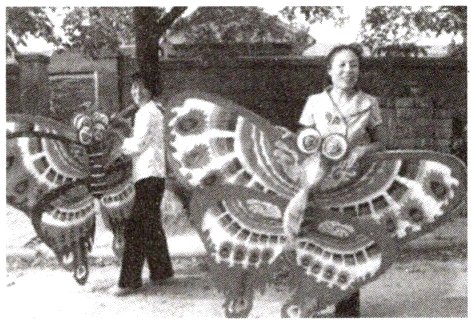
In her spare time, she also travels to different countries including Germany, Australia, the USA and New Zealand to show her kites and the traditional ways of making kites. “I'm an inheritor of the culture. It's also one of my important jobs to spread the heritage around the world and onto the next generation(一代人),” she said.
( )1. What can we know about the kites from the first paragraph?
A. The Weifang kite - making has a history of 3 000 years.
B. Ancient people used kites to guide ways.
C. Kites became popular only among ordinary people.
D. People flew kites for fun in the Ming dynasty.
( )2. What is the second paragraph mainly about?
A. Yang's special connection to kites. B. When Yang started her own shop.
C. Yang's effort in the kite - making. D. An introduction to Yang's family.
( )3. What does the underlined word “inheritor” in Paragraph 4 probably mean?
A. A person who receives money from people after they die.
B. A traveller who often travels to different countries and shares stories.
C. A person who is influenced by the work of someone and spreads it to others.
D. A person who spares no effort to learn history all his life.
Yang Hongwei, 56, was born into a kite - making family. Yang often saw kites with bright colours and different shapes in her grandfather's workshop. “Every time I see these beautiful kites, my sadness and down feelings go away,” said Yang. Yang started to learn the skill from her grandfather at the age of 16. After practising the skill for 10 years, she started her own shop in 1992.
On Yang's kites, people can see not only common styles like butterflies and swallows, but also some styles telling traditional Chinese stories. For example, she once made a kite with paintings of 50 famous women in Chinese history. Though the idea was cool, the process(过程)was not easy. Yang said that each woman had different appearance, clothing and the makeup styles. To make the kite, she spent much effort and time checking historical records or discussing the details with experts.
In her spare time, she also travels to different countries including Germany, Australia, the USA and New Zealand to show her kites and the traditional ways of making kites. “I'm an inheritor of the culture. It's also one of my important jobs to spread the heritage around the world and onto the next generation(一代人),” she said.
( )1. What can we know about the kites from the first paragraph?
A. The Weifang kite - making has a history of 3 000 years.
B. Ancient people used kites to guide ways.
C. Kites became popular only among ordinary people.
D. People flew kites for fun in the Ming dynasty.
( )2. What is the second paragraph mainly about?
A. Yang's special connection to kites. B. When Yang started her own shop.
C. Yang's effort in the kite - making. D. An introduction to Yang's family.
( )3. What does the underlined word “inheritor” in Paragraph 4 probably mean?
A. A person who receives money from people after they die.
B. A traveller who often travels to different countries and shares stories.
C. A person who is influenced by the work of someone and spreads it to others.
D. A person who spares no effort to learn history all his life.
答案:
1-3 DAC
查看更多完整答案,请扫码查看

