

 搜索
搜索
第11页
- 第2页
- 第3页
- 第4页
- 第5页
- 第6页
- 第7页
- 第8页
- 第9页
- 第10页
- 第11页
- 第12页
- 第13页
- 第14页
- 第15页
- 第16页
- 第17页
- 第18页
- 第19页
- 第20页
- 第21页
- 第22页
- 第23页
- 第24页
- 第25页
- 第26页
- 第27页
- 第28页
- 第29页
- 第30页
- 第31页
- 第32页
- 第33页
- 第34页
- 第35页
- 第36页
- 第37页
- 第38页
- 第39页
- 第40页
- 第41页
- 第42页
- 第43页
- 第44页
- 第45页
- 第46页
- 第47页
- 第48页
- 第49页
- 第50页
- 第51页
- 第52页
- 第53页
- 第54页
- 第55页
- 第56页
- 第57页
- 第58页
- 第59页
- 第60页
- 第61页
- 第62页
- 第63页
- 第64页
- 第65页
- 第66页
- 第67页
- 第68页
- 第69页
- 第70页
- 第71页
- 第72页
- 第73页
- 第74页
- 第75页
- 第76页
- 第77页
- 第78页
- 第79页
- 第80页
- 第81页
- 第82页
- 第83页
- 第84页
- 第85页
- 第86页
- 第87页
- 第88页
- 第89页
- 第90页
- 第91页
- 第92页
- 第93页
- 第94页
- 第95页
- 第96页
- 第97页
- 第98页
- 第99页
- 第100页
- 第101页
- 第102页
- 第103页
- 第104页
- 第105页
- 第106页
- 第107页
- 第108页
- 第109页
- 第110页
- 第111页
- 第112页
- 第113页
- 第114页
- 第115页
- 第116页
- 第117页
- 第118页
- 第119页
- 第120页
- 第121页
- 第122页
- 第123页
- 第124页
- 第125页
- 第126页
- 第127页
- 第128页
- 第129页
- 第130页
- 第131页
- 第132页
- 第133页
- 第134页
- 第135页
- 第136页
- 第137页
- 第138页
- 第139页
- 第140页
- 第141页
- 第142页
- 第143页
- 第144页
- 第145页
- 第146页
- 第147页
- 第148页
Many people may throw away the pits (果核) inside fruits after eating them, but inheritors of nut carving (核雕继承人) have turned them into artworks instead.
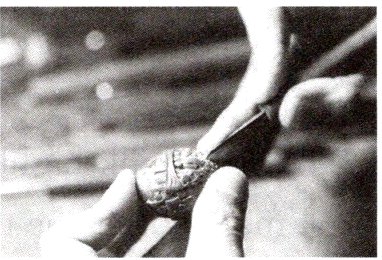
Weifang nut carving goes back to the Qing dynasty. During that time, an old imperial craftsman (皇家手艺人) Wang Dayan spread the skill to the local people in Shandong Province. Craftsmen back then often used peach pits to show off their artistic skills. Because of the high level of carving skills needed, the traditional culture and its rich artistic theme, Weifang nut carving was listed as a national intangible cultural heritage (国家非物质文化遗产) in 2008.
"One nut, from 0.8 to 6 centimetres long, can be made into fan pendants, earrings, buttons, seals and so on," said Tan Wanhai, 48, an inheritor of Weifang nut carving. Tan has studied the art of nut carving for 25 years and has created many nut carvings.
However, the craftsman also said that bringing this kind of artwork to life is not easy. "Unlike some pits like olive (橄榄) pits which have a flat surface, each peach pit has its own special texture (纹理) like human fingerprints," Tan said, adding that craftsmen have to study each peach pit to carefully plan out their artwork.
Nut carving craftsmen also need to have knowledge in many areas. According to Tan, they have to master skills in painting, seal carving and calligraphy from many traditional cultures.
Thanks to their creative design and fresh ideas, Weifang nut carving artworks have been increasingly welcomed by people in China. More people are learning the art and have even become inheritors to pass down the skill to young people.
"Now, the number of inheritors is about 1 000. But I believe it could be bigger. More craftsmen now give up the tradition of passing down the skill only to the family and open it up to anyone who is interested in learning the skill," said Tan.
( ) 1. Weifang nut carving was listed as a national intangible cultural heritage because of ________.
① the high level of carving skills needed ② its rich artistic theme
③ the traditional culture ④ the popularity around the world
A. ①②③ B. ②③④ C. ①②④ D. ①②③④
( ) 2. What does the fourth paragraph mainly tell us?
A. The cultural value of nut carving. B. The knowledge craftsmen have to master.
C. The inheritor and his carving artworks. D. Difficulties craftsmen have.
( ) 3. What can we learn from the passage?
A. Weifang nut carving goes back to the Ming dynasty.
B. Tan thinks there could be more inheritors of nut carving.
C. More craftsmen now give up the tradition of passing down the skill.
D. Each peach pit has a flat surface and it’s easy to carve on it.
( ) 4. What could be the best title for the passage?
A. Tan’s Nut Carving Achievements. B. Amazing Artworks in China.
C. Carving Artworks out of Nuts. D. The History of Nut Carving.
Weifang nut carving goes back to the Qing dynasty. During that time, an old imperial craftsman (皇家手艺人) Wang Dayan spread the skill to the local people in Shandong Province. Craftsmen back then often used peach pits to show off their artistic skills. Because of the high level of carving skills needed, the traditional culture and its rich artistic theme, Weifang nut carving was listed as a national intangible cultural heritage (国家非物质文化遗产) in 2008.
"One nut, from 0.8 to 6 centimetres long, can be made into fan pendants, earrings, buttons, seals and so on," said Tan Wanhai, 48, an inheritor of Weifang nut carving. Tan has studied the art of nut carving for 25 years and has created many nut carvings.
However, the craftsman also said that bringing this kind of artwork to life is not easy. "Unlike some pits like olive (橄榄) pits which have a flat surface, each peach pit has its own special texture (纹理) like human fingerprints," Tan said, adding that craftsmen have to study each peach pit to carefully plan out their artwork.
Nut carving craftsmen also need to have knowledge in many areas. According to Tan, they have to master skills in painting, seal carving and calligraphy from many traditional cultures.
Thanks to their creative design and fresh ideas, Weifang nut carving artworks have been increasingly welcomed by people in China. More people are learning the art and have even become inheritors to pass down the skill to young people.
"Now, the number of inheritors is about 1 000. But I believe it could be bigger. More craftsmen now give up the tradition of passing down the skill only to the family and open it up to anyone who is interested in learning the skill," said Tan.
( ) 1. Weifang nut carving was listed as a national intangible cultural heritage because of ________.
① the high level of carving skills needed ② its rich artistic theme
③ the traditional culture ④ the popularity around the world
A. ①②③ B. ②③④ C. ①②④ D. ①②③④
( ) 2. What does the fourth paragraph mainly tell us?
A. The cultural value of nut carving. B. The knowledge craftsmen have to master.
C. The inheritor and his carving artworks. D. Difficulties craftsmen have.
( ) 3. What can we learn from the passage?
A. Weifang nut carving goes back to the Ming dynasty.
B. Tan thinks there could be more inheritors of nut carving.
C. More craftsmen now give up the tradition of passing down the skill.
D. Each peach pit has a flat surface and it’s easy to carve on it.
( ) 4. What could be the best title for the passage?
A. Tan’s Nut Carving Achievements. B. Amazing Artworks in China.
C. Carving Artworks out of Nuts. D. The History of Nut Carving.
答案:
1-4 ADBC
查看更多完整答案,请扫码查看

