

 搜索
搜索
第8页
- 第1页
- 第2页
- 第3页
- 第4页
- 第5页
- 第6页
- 第7页
- 第8页
- 第9页
- 第10页
- 第11页
- 第12页
- 第13页
- 第14页
- 第15页
- 第16页
- 第17页
- 第18页
- 第19页
- 第20页
- 第21页
- 第22页
- 第23页
- 第24页
- 第25页
- 第26页
- 第27页
- 第28页
- 第29页
- 第30页
- 第31页
- 第32页
- 第33页
- 第34页
- 第35页
- 第36页
- 第37页
- 第38页
- 第39页
- 第40页
- 第41页
- 第42页
- 第43页
- 第44页
- 第45页
- 第46页
- 第47页
- 第48页
- 第49页
- 第50页
- 第51页
- 第52页
- 第53页
- 第54页
- 第55页
- 第56页
- 第57页
- 第58页
- 第59页
- 第60页
- 第61页
- 第62页
- 第63页
- 第64页
- 第65页
- 第66页
- 第67页
- 第68页
- 第69页
- 第70页
- 第71页
- 第72页
- 第73页
- 第74页
- 第75页
- 第76页
- 第77页
- 第78页
- 第79页
- 第80页
Ⅰ. 单词拼写。
根据首字母及汉语提示,完成下列单词的拼写,使句意明确,语言通顺。
1. All the students went on the trip to France e______(除……之外)Andrew because of his illness.
2. We can't live without water, food and air. They are the b______(基本的)needs for life.
3. Whoever b______(表现)well will be given a red flower and an apple as rewards.
4. I'm going to pick up my g__________(孙女)from school because her parents have to work overtime today.
5. Mr. Liu gave me some helpful s__________(建议)on my speech.
根据首字母及汉语提示,完成下列单词的拼写,使句意明确,语言通顺。
1. All the students went on the trip to France e______(除……之外)Andrew because of his illness.
2. We can't live without water, food and air. They are the b______(基本的)needs for life.
3. Whoever b______(表现)well will be given a red flower and an apple as rewards.
4. I'm going to pick up my g__________(孙女)from school because her parents have to work overtime today.
5. Mr. Liu gave me some helpful s__________(建议)on my speech.
答案:
except
@@basic
@@behaves
@@granddaughter
@@suggestions
@@basic
@@behaves
@@granddaughter
@@suggestions
Ⅱ. 用括号内所给单词的适当形式填空。
6. I'm a ____________(teenage)mother. Sometimes I don't know why my son gets angry very often.
7. Mr. Lee explained the grammar to us again and again. ____________(gradual), we began to understand.
8. Wang Lin's father would like ____________(exchange)some pounds for dollars.
9. Don't put your __________(elbow)on the table when you are eating.
10. I didn't think I could get used to __________(live)in a big city after living in the countryside.
6. I'm a ____________(teenage)mother. Sometimes I don't know why my son gets angry very often.
7. Mr. Lee explained the grammar to us again and again. ____________(gradual), we began to understand.
8. Wang Lin's father would like ____________(exchange)some pounds for dollars.
9. Don't put your __________(elbow)on the table when you are eating.
10. I didn't think I could get used to __________(live)in a big city after living in the countryside.
答案:
teenager’s
@@Gradually
@@to exchange
@@elbows
@@living
@@Gradually
@@to exchange
@@elbows
@@living
Ⅲ. 根据汉语意思完成句子,每空一词。
11. 为了欢迎交换生,我们上周特地举办了一场派对。
We __________ to have a party to welcome the exchange students last week.
12. 爱丽丝尽量使我感觉像在家里一样。
Alice tried her best to __________ __________ __________.
13. 请把肉切碎来包饺子。
Please __________ __________ the meat for making dumplings.
14. 李华已经习惯了他在英国的日常生活。
Li Hua has already __________ __________ __________ his everyday life in the UK.
15. 正如你所想象的,他没有告诉我实情。
__________ __________ __________ __________, he didn't tell me the truth.
16. 没有理由停止你一直在做的任何体育运动。
There's __________ __________ __________ to stop any sports you've been doing.
17. 因为她的帮助,我的英语水平得到了快速的提升。
My English has improved quickly __________ __________ her help.
11. 为了欢迎交换生,我们上周特地举办了一场派对。
We __________ to have a party to welcome the exchange students last week.
12. 爱丽丝尽量使我感觉像在家里一样。
Alice tried her best to __________ __________ __________.
13. 请把肉切碎来包饺子。
Please __________ __________ the meat for making dumplings.
14. 李华已经习惯了他在英国的日常生活。
Li Hua has already __________ __________ __________ his everyday life in the UK.
15. 正如你所想象的,他没有告诉我实情。
__________ __________ __________ __________, he didn't tell me the truth.
16. 没有理由停止你一直在做的任何体育运动。
There's __________ __________ __________ to stop any sports you've been doing.
17. 因为她的帮助,我的英语水平得到了快速的提升。
My English has improved quickly __________ __________ her help.
答案:
went out of our way
@@make me feel at home
@@cut up
@@been/got used to
@@As you can imagine
@@There is no reason
@@because of
@@make me feel at home
@@cut up
@@been/got used to
@@As you can imagine
@@There is no reason
@@because of
传统文化 Yangzhou paper cutting, with a history of about 2,000 years, can be dated back to the Sui Dynasty, making Yangzhou one of the places where paper cutting first became popular.
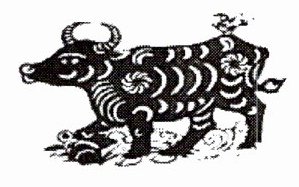
In the Sui Dynasty, the people of Yangzhou would cut colorful paper or silk and satin(缎子) to celebrate festivals. It is said that Emperor Yang came to Yangzhou three times. In winter, the flowers and trees in the garden became dry and weak. The emperor ordered the girl servants to cut fine silk and satin into flowers and leaves and use them to decorate the trees and lakes, copying nicely the looks of spring and summer. Since then, “colorful cutting” has become a popular art in Yangzhou.
In the Tang Dynasty, the paper cutting industry was highly developed and a large amount of high - quality paper was made as presents to the Court(宫廷).
In the Qing Dynasty, because of the economic development, the people of Yangzhou became interested in wearing fine clothing, especially embroidered(刺绣的) clothing. The embroidered designs were based on paper - cuts, the most well - known of them was from Bao Jun, a paper cutting master. He won a high reputation(名声) as Magic Scissors for his wonderful cutting skills.
After the People's Republic of China was started, the Chinese government accepted the importance of paper cutting like many other arts and skills. In 2007, China Paper - cuts Museum opened to the public in the back garden of the Wang's Residence(住所), Yangzhou, greatly helping the development of Yangzhou paper cutting.
( )18. When did “colorful cutting” become a popular art in Yangzhou?
A. In the Sui Dynasty.
B. In the Tang Dynasty.
C. In the Ming Dynasty.
D. In the Qing Dynasty.
( )19. The underlined word “decorate” in Paragraph 2 means “________” in Chinese.
A. 种植
B. 装饰
C. 浇水
D. 砍伐
( )20. When did China Paper - cuts Museum open to the public?
A. In 2007.
B. In 2008.
C. In 2009.
D. In 2010.
( )21. Where can we probably find the passage?
A. In a poem.
B. In a novel.
C. In a magazine.
D. In a dictionary.
( )22. What's the main idea of the passage?
A. How to make paper cutting.
B. The way to cut paper.
C. The importance of Yangzhou paper cutting.
D. The history and development of Yangzhou paper cutting.
In the Sui Dynasty, the people of Yangzhou would cut colorful paper or silk and satin(缎子) to celebrate festivals. It is said that Emperor Yang came to Yangzhou three times. In winter, the flowers and trees in the garden became dry and weak. The emperor ordered the girl servants to cut fine silk and satin into flowers and leaves and use them to decorate the trees and lakes, copying nicely the looks of spring and summer. Since then, “colorful cutting” has become a popular art in Yangzhou.
In the Tang Dynasty, the paper cutting industry was highly developed and a large amount of high - quality paper was made as presents to the Court(宫廷).
In the Qing Dynasty, because of the economic development, the people of Yangzhou became interested in wearing fine clothing, especially embroidered(刺绣的) clothing. The embroidered designs were based on paper - cuts, the most well - known of them was from Bao Jun, a paper cutting master. He won a high reputation(名声) as Magic Scissors for his wonderful cutting skills.
After the People's Republic of China was started, the Chinese government accepted the importance of paper cutting like many other arts and skills. In 2007, China Paper - cuts Museum opened to the public in the back garden of the Wang's Residence(住所), Yangzhou, greatly helping the development of Yangzhou paper cutting.
( )18. When did “colorful cutting” become a popular art in Yangzhou?
A. In the Sui Dynasty.
B. In the Tang Dynasty.
C. In the Ming Dynasty.
D. In the Qing Dynasty.
( )19. The underlined word “decorate” in Paragraph 2 means “________” in Chinese.
A. 种植
B. 装饰
C. 浇水
D. 砍伐
( )20. When did China Paper - cuts Museum open to the public?
A. In 2007.
B. In 2008.
C. In 2009.
D. In 2010.
( )21. Where can we probably find the passage?
A. In a poem.
B. In a novel.
C. In a magazine.
D. In a dictionary.
( )22. What's the main idea of the passage?
A. How to make paper cutting.
B. The way to cut paper.
C. The importance of Yangzhou paper cutting.
D. The history and development of Yangzhou paper cutting.
答案:
18 - 22 ABACD
查看更多完整答案,请扫码查看

