

 搜索
搜索
第29页
- 第1页
- 第2页
- 第3页
- 第4页
- 第5页
- 第6页
- 第7页
- 第8页
- 第9页
- 第10页
- 第11页
- 第12页
- 第13页
- 第14页
- 第15页
- 第16页
- 第17页
- 第18页
- 第19页
- 第20页
- 第21页
- 第22页
- 第23页
- 第24页
- 第25页
- 第26页
- 第27页
- 第28页
- 第29页
- 第30页
- 第31页
- 第32页
- 第33页
- 第34页
- 第35页
- 第36页
- 第37页
- 第38页
- 第39页
- 第40页
- 第41页
- 第42页
- 第43页
- 第44页
- 第45页
- 第46页
- 第47页
- 第48页
- 第49页
- 第50页
- 第51页
- 第52页
- 第53页
- 第54页
- 第55页
- 第56页
- 第57页
- 第58页
- 第59页
- 第60页
- 第61页
- 第62页
- 第63页
- 第64页
- 第65页
- 第66页
- 第67页
- 第68页
- 第69页
- 第70页
- 第71页
- 第72页
- 第73页
- 第74页
- 第75页
- 第76页
- 第77页
- 第78页
- 第79页
- 第80页
A
Everyone laughs—even babies. Laughter is natural, but what do we know about it?
Laughing can help our bodies. When we laugh,our heart rate goes up,sending oxygen to our blood,muscles, brains and lungs. Chemicals called endorphins(内啡肽)are given off in our brains. This lowers stress and makes us feel good.
Scientists believe laughter helps people have a close relationship. We're 30 times more likely to laugh with others than to be alone. Just seeing people laughing can make us laugh,even if nothing very “funny” was said. Do you want to laugh more? Spend time with your family and friends!
Do you know nervous laughter? Have you ever found yourself laughing when you're “not supposed to” do so? Laughing is one way we let go of tension. When we're nervous,our body may respond with laughter. We decide not to laugh—it just happens. So just let nature take its course. Do animals have a sense of humor? Your dog won't be angry at your knock - knock jokes. But scientists have found that at least two animals—apes and rats—make “play” sounds when they're tickled(挠). Apes make breathing sounds and rats shout in a low voice. Maybe we are wondering why something is funny. What we find funny depends a lot on our age, personality(性格),and the place where we live. But here are some of the more general reasons why people laugh...
( )11. How are endorphins good for us?
A. By making our heart rate go up.
B. By producing more oxygen.
C. By keeping us away from stress.
D. By bringing us good feelings.
( )12. 新考向 跨学科知识 What's the relationship between the laughing probability of staying with others ( y ) and that of staying alone( x )?
A. y = x + 30. B. y = 30x.
C. y = x - 30. D. y = 30%x.
( )13. When will apes and rats make “play” sounds?
A. When humans shout at them.
B. When they are tickled by someone.
C. When people tell knock - knock jokes to them.
D. When they have fun playing together with their partners.
( )14. What will the writer talk about in the last paragraph?
A. Secrets to finding funny things.
B. Ways to live a life full of laughter.
C. Several reasons why people laugh.
D. Suggestions about making others laugh.
Everyone laughs—even babies. Laughter is natural, but what do we know about it?
Laughing can help our bodies. When we laugh,our heart rate goes up,sending oxygen to our blood,muscles, brains and lungs. Chemicals called endorphins(内啡肽)are given off in our brains. This lowers stress and makes us feel good.
Scientists believe laughter helps people have a close relationship. We're 30 times more likely to laugh with others than to be alone. Just seeing people laughing can make us laugh,even if nothing very “funny” was said. Do you want to laugh more? Spend time with your family and friends!
Do you know nervous laughter? Have you ever found yourself laughing when you're “not supposed to” do so? Laughing is one way we let go of tension. When we're nervous,our body may respond with laughter. We decide not to laugh—it just happens. So just let nature take its course. Do animals have a sense of humor? Your dog won't be angry at your knock - knock jokes. But scientists have found that at least two animals—apes and rats—make “play” sounds when they're tickled(挠). Apes make breathing sounds and rats shout in a low voice. Maybe we are wondering why something is funny. What we find funny depends a lot on our age, personality(性格),and the place where we live. But here are some of the more general reasons why people laugh...
( )11. How are endorphins good for us?
A. By making our heart rate go up.
B. By producing more oxygen.
C. By keeping us away from stress.
D. By bringing us good feelings.
( )12. 新考向 跨学科知识 What's the relationship between the laughing probability of staying with others ( y ) and that of staying alone( x )?
A. y = x + 30. B. y = 30x.
C. y = x - 30. D. y = 30%x.
( )13. When will apes and rats make “play” sounds?
A. When humans shout at them.
B. When they are tickled by someone.
C. When people tell knock - knock jokes to them.
D. When they have fun playing together with their partners.
( )14. What will the writer talk about in the last paragraph?
A. Secrets to finding funny things.
B. Ways to live a life full of laughter.
C. Several reasons why people laugh.
D. Suggestions about making others laugh.
答案:
D@@B@@B@@C
B(2024·广东改编)
People know animals do have feelings, but they are not sure if these feelings are correctly understood. In recent years, scientists have done research about the feelings of cows, frogs and pandas. ▲ It says that humans can tell whether a chicken is happy or sad by listening to its calls.
The researchers put a bowl behind a door. Inside the bowl, sometimes, there was something chickens love to eat, such as rice or insects. Sometimes, there was nothing. When the chickens saw food behind the door, they seemed happy and produced fast and loud sounds,known as food calls. When there wasn't food,the chickens made low and long noises to express disappointment. The researchers recorded all these sounds and studied their waves.
Then the researchers chose 16 recordings of such chicken noises. Half were from the chickens seeing the food and half were from the chickens finding no food. The recordings were played to 194 volunteers. Sixty - nine percent of the volunteers correctly understood whether the chickens were feeling happy or not,and some of them even had no experience of taking care of chickens.
The result shows that humans have the natural ability to understand the feelings of chickens. Hopefully, this finding can bring about new technology to help with chicken - raising,a big industry in many countries. Some scientists are already working on a smart computer program that can identify chickens' feelings. This is good news for farmers who want to make the birds happier and healthier.
( )15. 新考向 句子还原 Which of the following can be put in the “ ▲ ” in Paragraph 1?
A. Humans may not like animals.
B. Scientists know nothing about it.
C. Nobody knows why this happens.
D. A new study adds chickens to the list.
( )16. 新考向 跨学科知识 Which is most probably the sound wave of a happy call by a chicken?
A.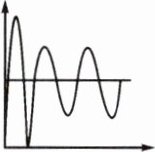 B.
B.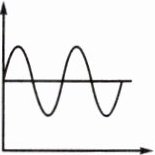
C.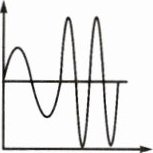 D.
D.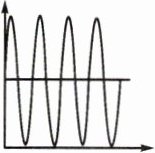
( )17. What does the underlined word “identify” mean in Paragraph 4?
A. Control. B. Hide.
C. Recognize. D. Hurt.
( )18. What is the best title for the passage?
A. Chickens' Food Calls
B. Happy Chickens,Sad Chickens
C. Farmers' Best Choice
D. Smart Farmers,Healthy Farmers
People know animals do have feelings, but they are not sure if these feelings are correctly understood. In recent years, scientists have done research about the feelings of cows, frogs and pandas. ▲ It says that humans can tell whether a chicken is happy or sad by listening to its calls.
The researchers put a bowl behind a door. Inside the bowl, sometimes, there was something chickens love to eat, such as rice or insects. Sometimes, there was nothing. When the chickens saw food behind the door, they seemed happy and produced fast and loud sounds,known as food calls. When there wasn't food,the chickens made low and long noises to express disappointment. The researchers recorded all these sounds and studied their waves.
Then the researchers chose 16 recordings of such chicken noises. Half were from the chickens seeing the food and half were from the chickens finding no food. The recordings were played to 194 volunteers. Sixty - nine percent of the volunteers correctly understood whether the chickens were feeling happy or not,and some of them even had no experience of taking care of chickens.
The result shows that humans have the natural ability to understand the feelings of chickens. Hopefully, this finding can bring about new technology to help with chicken - raising,a big industry in many countries. Some scientists are already working on a smart computer program that can identify chickens' feelings. This is good news for farmers who want to make the birds happier and healthier.
( )15. 新考向 句子还原 Which of the following can be put in the “ ▲ ” in Paragraph 1?
A. Humans may not like animals.
B. Scientists know nothing about it.
C. Nobody knows why this happens.
D. A new study adds chickens to the list.
( )16. 新考向 跨学科知识 Which is most probably the sound wave of a happy call by a chicken?
A.
B.C.
D.( )17. What does the underlined word “identify” mean in Paragraph 4?
A. Control. B. Hide.
C. Recognize. D. Hurt.
( )18. What is the best title for the passage?
A. Chickens' Food Calls
B. Happy Chickens,Sad Chickens
C. Farmers' Best Choice
D. Smart Farmers,Healthy Farmers
答案:
D@@D@@C@@B
查看更多完整答案,请扫码查看

