

 搜索
搜索
第35页
- 第1页
- 第2页
- 第3页
- 第4页
- 第5页
- 第6页
- 第7页
- 第8页
- 第9页
- 第10页
- 第11页
- 第12页
- 第13页
- 第14页
- 第15页
- 第16页
- 第17页
- 第18页
- 第19页
- 第20页
- 第21页
- 第22页
- 第23页
- 第24页
- 第25页
- 第26页
- 第27页
- 第28页
- 第29页
- 第30页
- 第31页
- 第32页
- 第33页
- 第34页
- 第35页
- 第36页
- 第37页
- 第38页
- 第39页
- 第40页
- 第41页
- 第42页
- 第43页
- 第44页
- 第45页
- 第46页
- 第47页
- 第48页
- 第49页
- 第50页
- 第51页
- 第52页
- 第53页
- 第54页
- 第55页
- 第56页
- 第57页
- 第58页
- 第59页
- 第60页
- 第61页
- 第62页
- 第63页
- 第64页
B
When you go to the park, you might notice many older people listening to audiobooks instead of reading paper books. Audiobooks have become quite popular these days. Why are more and more people choosing audiobooks instead of traditional paper books? Is listening to an audiobook just as effective as reading a paper book?
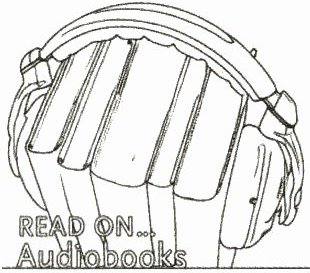
Reading needs us to put all our attention on the words in a book, and we also need to find time and a place to sit down and read. However, you can listen to audiobooks anytime and anywhere you like, and it gives your eyes a break, too.
But the big question is, do we get knowledge from audiobooks as effectively as we do from paper books? Researchers tried to find the answer. Volunteers in Group One were asked to listen to an audiobook, while volunteers in Group Two read a paper book of the same information. It turned out that they got the same information whether they listened to it or read it.
Another study further supported the result above. In the study, researchers scanned people’s brains when they listened to and read books. The result has shown that listening to audiobooks activates almost the same parts of the brain as reading does.
However, some people still believe that they learn better from reading paper books. One reason might be that when we listen to audiobooks, we are often doing several things at one time. “If you’re trying to learn while doing two things, you’re not going to learn as well,” said Professor Daniel Willingham.
(
A. To tell a story. B. To interest readers.
C. To give an example. D. To show opinions.
(
A. Starts B. Guides C. Organizes D. Downloads
(
A. Different kinds of paper books.
B. The way people learn from paper books.
C. Several difficulties of reading paper books.
D. The reason people learn better from paper books.
(
A. They are more effective than paper books.
B. People need to pay more attention to them.
C. They are more popular among old people.
D. People can get more information from them.
(
A. To explain the function of audiobooks.
B. To advise more people to listen to audiobooks.
C. To express the importance of reading paper books.
D. To discuss the effectiveness of the two ways of reading.
When you go to the park, you might notice many older people listening to audiobooks instead of reading paper books. Audiobooks have become quite popular these days. Why are more and more people choosing audiobooks instead of traditional paper books? Is listening to an audiobook just as effective as reading a paper book?
Reading needs us to put all our attention on the words in a book, and we also need to find time and a place to sit down and read. However, you can listen to audiobooks anytime and anywhere you like, and it gives your eyes a break, too.
But the big question is, do we get knowledge from audiobooks as effectively as we do from paper books? Researchers tried to find the answer. Volunteers in Group One were asked to listen to an audiobook, while volunteers in Group Two read a paper book of the same information. It turned out that they got the same information whether they listened to it or read it.
Another study further supported the result above. In the study, researchers scanned people’s brains when they listened to and read books. The result has shown that listening to audiobooks activates almost the same parts of the brain as reading does.
However, some people still believe that they learn better from reading paper books. One reason might be that when we listen to audiobooks, we are often doing several things at one time. “If you’re trying to learn while doing two things, you’re not going to learn as well,” said Professor Daniel Willingham.
(
B
)16. Why does the writer ask questions in Paragraph 1? A. To tell a story. B. To interest readers.
C. To give an example. D. To show opinions.
(
A
)17. What does the underlined word “activates” probably mean? A. Starts B. Guides C. Organizes D. Downloads
(
D
)18. What’s Paragraph 5 mainly about? A. Different kinds of paper books.
B. The way people learn from paper books.
C. Several difficulties of reading paper books.
D. The reason people learn better from paper books.
(
B
)19. What can we infer about audiobooks from the text? A. They are more effective than paper books.
B. People need to pay more attention to them.
C. They are more popular among old people.
D. People can get more information from them.
(
D
)20. What’s the main purpose of the text? A. To explain the function of audiobooks.
B. To advise more people to listen to audiobooks.
C. To express the importance of reading paper books.
D. To discuss the effectiveness of the two ways of reading.
答案:
16. B
17. A
18. D
19. B
20. D
17. A
18. D
19. B
20. D
查看更多完整答案,请扫码查看

