

 搜索
搜索
2025年全品学练考九年级英语人教版内蒙古专版
注:目前有些书本章节名称可能整理的还不是很完善,但都是按照顺序排列的,请同学们按照顺序仔细查找。练习册 2025年全品学练考九年级英语人教版内蒙古专版 答案主要是用来给同学们做完题方便对答案用的,请勿直接抄袭。
第55页
- 第1页
- 第2页
- 第3页
- 第4页
- 第5页
- 第6页
- 第7页
- 第8页
- 第9页
- 第10页
- 第11页
- 第12页
- 第13页
- 第14页
- 第15页
- 第16页
- 第17页
- 第18页
- 第19页
- 第20页
- 第21页
- 第22页
- 第23页
- 第24页
- 第25页
- 第26页
- 第27页
- 第28页
- 第29页
- 第30页
- 第31页
- 第32页
- 第33页
- 第34页
- 第35页
- 第36页
- 第37页
- 第38页
- 第39页
- 第40页
- 第41页
- 第42页
- 第43页
- 第44页
- 第45页
- 第46页
- 第47页
- 第48页
- 第49页
- 第50页
- 第51页
- 第52页
- 第53页
- 第54页
- 第55页
- 第56页
- 第57页
- 第58页
- 第59页
- 第60页
- 第61页
- 第62页
- 第63页
- 第64页
- 第65页
- 第66页
- 第67页
- 第68页
- 第69页
- 第70页
- 第71页
- 第72页
- 第73页
- 第74页
- 第75页
- 第76页
- 第77页
- 第78页
- 第79页
- 第80页
- 第81页
- 第82页
- 第83页
- 第84页
- 第85页
- 第86页
- 第87页
- 第88页
- 第89页
- 第90页
- 第91页
- 第92页
- 第93页
- 第94页
- 第95页
- 第96页
- 第97页
- 第98页
- 第99页
- 第100页
- 第101页
- 第102页
- 第103页
- 第104页
- 第105页
- 第106页
- 第107页
- 第108页
- 第109页
- 第110页
- 第111页
- 第112页
- 第113页
- 第114页
- 第115页
- 第116页
- 第117页
- 第118页
- 第119页
- 第120页
- 第121页
- 第122页
- 第123页
- 第124页
- 第125页
- 第126页
- 第127页
- 第128页
- 第129页
- 第130页
Ⅳ. 阅读理解
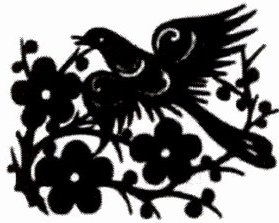
Paper cutting or tearing is a cultural tradition in China. For centuries, it has been passed down from one generation to the next, especially from mothers to daughters. This beautiful art created by skillful artists is used to decorate (装饰) doors, ceilings, and beds in people's homes, or at celebrations such as birthdays and weddings. During the Chinese New Year, window flowers are glued to windows, creating beautiful patterns of light and shadow.
The two main techniques (技艺) used are cutting the paper using a knife or scissors, or tearing it by hand. If the paper is cut, the edges (边缘) are very smooth. Paper cutting can produce very fine and delicate work. This type of work is typical of southern China. If the paper is torn by hand, the edges are more simple and natural. Tearing is used more in northeast China. In addition, different parts of China have their own motifs or pictures. These motifs can express many stories, ideas and emotions.
It can be hard to hold on to traditions like these because young people don't know much about traditional art. Often they prefer spending their time on newer pastimes. The experts are getting older. If young people don't learn the traditions, they won't be able to pass them down to their own children. But recently there has been a change. There are more exhibitions of traditional art. Artists are going into schools to teach children how to do paper cutting. Children enjoy working together with artists and talking to them about the meaning of their art. In this way, they are becoming proud of their culture and traditions.
(
A. habits
B. reasons
C. subjects
(
A. It is easy to hold on to this form of art.
B. It will continue in China for future generations.
C. It is so expensive that only the rich can afford to learn it.
(
A. young people know traditional art very well
B. the edges are very smooth when the paper is cut
C. girls were not allowed to learn paper cutting in the past
(
A. Chinese Paper Art
B. Great Changes in China
C. Famous Chinese Artists
Paper cutting or tearing is a cultural tradition in China. For centuries, it has been passed down from one generation to the next, especially from mothers to daughters. This beautiful art created by skillful artists is used to decorate (装饰) doors, ceilings, and beds in people's homes, or at celebrations such as birthdays and weddings. During the Chinese New Year, window flowers are glued to windows, creating beautiful patterns of light and shadow.
The two main techniques (技艺) used are cutting the paper using a knife or scissors, or tearing it by hand. If the paper is cut, the edges (边缘) are very smooth. Paper cutting can produce very fine and delicate work. This type of work is typical of southern China. If the paper is torn by hand, the edges are more simple and natural. Tearing is used more in northeast China. In addition, different parts of China have their own motifs or pictures. These motifs can express many stories, ideas and emotions.
It can be hard to hold on to traditions like these because young people don't know much about traditional art. Often they prefer spending their time on newer pastimes. The experts are getting older. If young people don't learn the traditions, they won't be able to pass them down to their own children. But recently there has been a change. There are more exhibitions of traditional art. Artists are going into schools to teach children how to do paper cutting. Children enjoy working together with artists and talking to them about the meaning of their art. In this way, they are becoming proud of their culture and traditions.
(
C
)25. The underlined word “motifs” in Paragraph 2 is closest in meaning to “______”.A. habits
B. reasons
C. subjects
(
B
)26. What is the writer's opinion on paper cutting or tearing?A. It is easy to hold on to this form of art.
B. It will continue in China for future generations.
C. It is so expensive that only the rich can afford to learn it.
(
B
)27. From the passage we know that ______.A. young people know traditional art very well
B. the edges are very smooth when the paper is cut
C. girls were not allowed to learn paper cutting in the past
(
A
)28. What could be the best title for the passage?A. Chinese Paper Art
B. Great Changes in China
C. Famous Chinese Artists
答案:
25—28 CBBA
【熟词生义】
glue
【熟词】n. 胶水
I made a model plane out of paper and glue.
我用纸和胶水做了一个飞机模型。
【生义】v. 粘贴
He glued a stamp onto the envelope.
他把邮票贴在信封上。
29. 请写出 glue 在本文中的含义:______
glue
【熟词】n. 胶水
I made a model plane out of paper and glue.
我用纸和胶水做了一个飞机模型。
【生义】v. 粘贴
He glued a stamp onto the envelope.
他把邮票贴在信封上。
29. 请写出 glue 在本文中的含义:______
答案:
粘贴
查看更多完整答案,请扫码查看

