

 搜索
搜索
2025年全品学练考九年级英语人教版内蒙古专版
注:目前有些书本章节名称可能整理的还不是很完善,但都是按照顺序排列的,请同学们按照顺序仔细查找。练习册 2025年全品学练考九年级英语人教版内蒙古专版 答案主要是用来给同学们做完题方便对答案用的,请勿直接抄袭。
第52页
- 第1页
- 第2页
- 第3页
- 第4页
- 第5页
- 第6页
- 第7页
- 第8页
- 第9页
- 第10页
- 第11页
- 第12页
- 第13页
- 第14页
- 第15页
- 第16页
- 第17页
- 第18页
- 第19页
- 第20页
- 第21页
- 第22页
- 第23页
- 第24页
- 第25页
- 第26页
- 第27页
- 第28页
- 第29页
- 第30页
- 第31页
- 第32页
- 第33页
- 第34页
- 第35页
- 第36页
- 第37页
- 第38页
- 第39页
- 第40页
- 第41页
- 第42页
- 第43页
- 第44页
- 第45页
- 第46页
- 第47页
- 第48页
- 第49页
- 第50页
- 第51页
- 第52页
- 第53页
- 第54页
- 第55页
- 第56页
- 第57页
- 第58页
- 第59页
- 第60页
- 第61页
- 第62页
- 第63页
- 第64页
- 第65页
- 第66页
- 第67页
- 第68页
- 第69页
- 第70页
- 第71页
- 第72页
- 第73页
- 第74页
- 第75页
- 第76页
- 第77页
- 第78页
- 第79页
- 第80页
- 第81页
- 第82页
- 第83页
- 第84页
- 第85页
- 第86页
- 第87页
- 第88页
- 第89页
- 第90页
- 第91页
- 第92页
- 第93页
- 第94页
- 第95页
- 第96页
- 第97页
- 第98页
- 第99页
- 第100页
- 第101页
- 第102页
- 第103页
- 第104页
- 第105页
- 第106页
- 第107页
- 第108页
- 第109页
- 第110页
- 第111页
- 第112页
- 第113页
- 第114页
- 第115页
- 第116页
- 第117页
- 第118页
- 第119页
- 第120页
- 第121页
- 第122页
- 第123页
- 第124页
- 第125页
- 第126页
- 第127页
- 第128页
- 第129页
- 第130页
Ⅳ. 阅读理解 (主题:人与社会·文化传承)
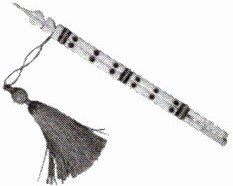
The Qiang flute (笛子) is a key musical instrument (乐器) of China's Qiang ethnic group (羌族). It is said that the first Qiang flute was made of the bone (骨头) of an eagle's wings. When some Qiang people moved from the grasslands of Northwest China to the areas along the Minjiang River, the flute evolved (逐渐演化). Qiang artisans (工匠) started making the instrument out of bamboo instead of bones, and they increased the number of holes from fewer to four or five.
Zhao Kun is an inheritor (继承人) of the Qiang flute performance and crafting (手工艺) traditions. He is one of the key artisans protecting and passing down this ancient instrument. Growing up listening to his elders play the Qiang flute in his family, Zhao Kun began to learn how to play and make the Qiang flute during middle school.
Zhao Kun has always crafted Qiang flutes with traditional materials and skills instead of cost - saving plastic. To make the instrument better, he went to learn Shuimoqi, a traditional lacquerware (漆器) craft of the Qiang ethnic group, from an intangible cultural heritage (非物质文化遗产) inheritor named Zhu Hongzhi.
Today, the Qiang flute is quite popular around the world. More and more people come to learn the Qiang flute crafting from Zhao Kun. Although the process of making Qiang flutes may be bad for artisans' hands, they cannot wear gloves. According to Zhao, they need to feel the materials with their hands to make sure the instruments they make are great.
“The 2,000 - year legacy cannot end with us. Only by carrying it forward can make the Qiang flute reach a bigger stage (舞台),” Zhao Kun noted.
(
A. Bones. B. Stones. C. Bamboo.
(
A. He was born into a musical family.
B. He thought the Qiang flute was easy to learn.
C. He started learning to make the Qiang flute in primary school.
(
(
A. By feeling the materials. B. By painting the materials. C. By choosing the materials.
(
A. learning the Qiang flute B. protecting the Qiang flute C. passing down the Qiang flute
The Qiang flute (笛子) is a key musical instrument (乐器) of China's Qiang ethnic group (羌族). It is said that the first Qiang flute was made of the bone (骨头) of an eagle's wings. When some Qiang people moved from the grasslands of Northwest China to the areas along the Minjiang River, the flute evolved (逐渐演化). Qiang artisans (工匠) started making the instrument out of bamboo instead of bones, and they increased the number of holes from fewer to four or five.
Zhao Kun is an inheritor (继承人) of the Qiang flute performance and crafting (手工艺) traditions. He is one of the key artisans protecting and passing down this ancient instrument. Growing up listening to his elders play the Qiang flute in his family, Zhao Kun began to learn how to play and make the Qiang flute during middle school.
Zhao Kun has always crafted Qiang flutes with traditional materials and skills instead of cost - saving plastic. To make the instrument better, he went to learn Shuimoqi, a traditional lacquerware (漆器) craft of the Qiang ethnic group, from an intangible cultural heritage (非物质文化遗产) inheritor named Zhu Hongzhi.
Today, the Qiang flute is quite popular around the world. More and more people come to learn the Qiang flute crafting from Zhao Kun. Although the process of making Qiang flutes may be bad for artisans' hands, they cannot wear gloves. According to Zhao, they need to feel the materials with their hands to make sure the instruments they make are great.
“The 2,000 - year legacy cannot end with us. Only by carrying it forward can make the Qiang flute reach a bigger stage (舞台),” Zhao Kun noted.
(
C
)26. What is the Qiang flute made of now?A. Bones. B. Stones. C. Bamboo.
(
A
)27. What do we know about Zhao Kun from Paragraph 2?A. He was born into a musical family.
B. He thought the Qiang flute was easy to learn.
C. He started learning to make the Qiang flute in primary school.
(
C
)28. Why did Zhao Kun go to learn Shuimoqi? A.To have fun.
B.To learn new skills
C.To improve the Qiang flute.
A. To have fun. B. To learn new skills. C. To improve the Qiang flute.(
A
)29. How do the Qiang flute artisans make sure the instrument they make is good?A. By feeling the materials. B. By painting the materials. C. By choosing the materials.
(
C
)30. The last paragraph mainly talks about Zhao Kun's idea of ______.A. learning the Qiang flute B. protecting the Qiang flute C. passing down the Qiang flute
答案:
26. C 27. A 28. C 29. A 30. C
词汇积累
1. musical instrument ______
2. bone /bəʊn/ n. ______
3. inheritor /ɪn'herɪtə(r)/ n. ______
4. plastic /'plæstɪk/ n. ______
1. musical instrument ______
2. bone /bəʊn/ n. ______
3. inheritor /ɪn'herɪtə(r)/ n. ______
4. plastic /'plæstɪk/ n. ______
答案:
1. 乐器 2. 骨头 3. 继承人 4. 塑料
查看更多完整答案,请扫码查看

