

 搜索
搜索
第95页
- 第1页
- 第2页
- 第3页
- 第4页
- 第5页
- 第6页
- 第7页
- 第8页
- 第9页
- 第10页
- 第11页
- 第12页
- 第13页
- 第14页
- 第15页
- 第16页
- 第17页
- 第18页
- 第19页
- 第20页
- 第21页
- 第22页
- 第23页
- 第24页
- 第25页
- 第26页
- 第27页
- 第28页
- 第29页
- 第30页
- 第31页
- 第32页
- 第33页
- 第34页
- 第35页
- 第36页
- 第37页
- 第38页
- 第39页
- 第40页
- 第41页
- 第42页
- 第43页
- 第44页
- 第45页
- 第46页
- 第47页
- 第48页
- 第49页
- 第50页
- 第51页
- 第52页
- 第53页
- 第54页
- 第55页
- 第56页
- 第57页
- 第58页
- 第59页
- 第60页
- 第61页
- 第62页
- 第63页
- 第64页
- 第65页
- 第66页
- 第67页
- 第68页
- 第69页
- 第70页
- 第71页
- 第72页
- 第73页
- 第74页
- 第75页
- 第76页
- 第77页
- 第78页
- 第79页
- 第80页
- 第81页
- 第82页
- 第83页
- 第84页
- 第85页
- 第86页
- 第87页
- 第88页
- 第89页
- 第90页
- 第91页
- 第92页
- 第93页
- 第94页
- 第95页
- 第96页
- 第97页
- 第98页
- 第99页
- 第100页
- 第101页
- 第102页
- 第103页
- 第104页
- 第105页
- 第106页
- 第107页
- 第108页
- 第109页
- 第110页
- 第111页
- 第112页
- 第113页
- 第114页
- 第115页
- 第116页
- 第117页
- 第118页
- 第119页
- 第120页
- 第121页
- 第122页
- 第123页
- 第124页
- 第125页
- 第126页
- 第127页
- 第128页
- 第129页
- 第130页
- 第131页
- 第132页
- 第133页
- 第134页
- 第135页
- 第136页
- 第137页
- 第138页
- 第139页
- 第140页
D 阅读理解
视频+课件
语篇类型:夹叙夹议文
词数:222
The rise of giant goldfish is causing trouble in Canada's lakes and waterways. And their sale may be not allowed soon. Scientists are trying to push the household (家庭的) fish onto the invasive species(入侵物种) list. This means stopping them as a household pet.
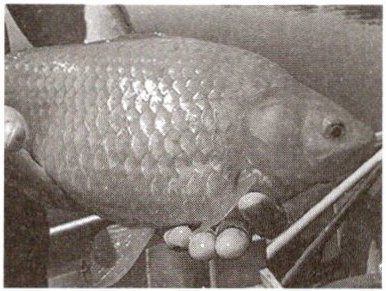
In the wild, the household pets are growing to amazing sizes and causing trouble for the environment and the local species. They can reproduce (繁殖) so quickly and rapidly. If they're in an environment where they can grow, they can get quite large. Once they get to be 20 cm, they would be difficult for another fish to eat.
Christine Boston, a scientist with Fisheries and Oceans Canada, said: “In Canada, goldfish aren't on the invasive species list. So we're actually collecting information and trying to show that they need to be on the list. That's one thing I think needs to be done. They're so invasive, and we need to do what we can to stop the spread (蔓延).”
According to a report, over 40,000 goldfish were found in just two ponds one summer. Christine said: “I think, for the most part, people are releasing (释放) unwanted pets into the wild. They're competing with the local fish, which is clearly a big problem.” What's more, successful work to bring down the population of common carp (鲤鱼) —another problem fish—has left the goldfish with less competition too. So it seems to be getting worse.
1 What are the scientists trying to do?
A. Help to protect pet goldfish.
B. Stop people raising goldfish.
C. Increase the sale of goldfish.
D. Tell people how to feed goldfish.
2 What does the second paragraph mainly tell us?
A. The size and food of goldfish.
B. The living environment of goldfish.
C. The difficulties of catching goldfish.
D. The reproduction and growth of goldfish.
3 What does Christine think of putting goldfish on the invasive species list?
A. It is difficult. B. It is painful. C. It is necessary. D. It is common.
4 Why is the number of goldfish increasing rapidly?
A. More people keep goldfish at home.
B. The number of local fish increases slowly.
C. People put many unwanted food into the water.
D. Fewer common carp compete with goldfish in the wild.
5 What is the theme of the passage?
A. Nature. B. Culture. C. Sports. D. Health.
视频+课件
语篇类型:夹叙夹议文
词数:222
The rise of giant goldfish is causing trouble in Canada's lakes and waterways. And their sale may be not allowed soon. Scientists are trying to push the household (家庭的) fish onto the invasive species(入侵物种) list. This means stopping them as a household pet.
In the wild, the household pets are growing to amazing sizes and causing trouble for the environment and the local species. They can reproduce (繁殖) so quickly and rapidly. If they're in an environment where they can grow, they can get quite large. Once they get to be 20 cm, they would be difficult for another fish to eat.
Christine Boston, a scientist with Fisheries and Oceans Canada, said: “In Canada, goldfish aren't on the invasive species list. So we're actually collecting information and trying to show that they need to be on the list. That's one thing I think needs to be done. They're so invasive, and we need to do what we can to stop the spread (蔓延).”
According to a report, over 40,000 goldfish were found in just two ponds one summer. Christine said: “I think, for the most part, people are releasing (释放) unwanted pets into the wild. They're competing with the local fish, which is clearly a big problem.” What's more, successful work to bring down the population of common carp (鲤鱼) —another problem fish—has left the goldfish with less competition too. So it seems to be getting worse.
1 What are the scientists trying to do?
A. Help to protect pet goldfish.
B. Stop people raising goldfish.
C. Increase the sale of goldfish.
D. Tell people how to feed goldfish.
2 What does the second paragraph mainly tell us?
A. The size and food of goldfish.
B. The living environment of goldfish.
C. The difficulties of catching goldfish.
D. The reproduction and growth of goldfish.
3 What does Christine think of putting goldfish on the invasive species list?
A. It is difficult. B. It is painful. C. It is necessary. D. It is common.
4 Why is the number of goldfish increasing rapidly?
A. More people keep goldfish at home.
B. The number of local fish increases slowly.
C. People put many unwanted food into the water.
D. Fewer common carp compete with goldfish in the wild.
5 What is the theme of the passage?
A. Nature. B. Culture. C. Sports. D. Health.
答案:
1. B 2. D 3. C 4. D 5. A
查看更多完整答案,请扫码查看

