

 搜索
搜索
第109页
- 第1页
- 第2页
- 第3页
- 第4页
- 第5页
- 第6页
- 第7页
- 第8页
- 第9页
- 第10页
- 第11页
- 第12页
- 第13页
- 第14页
- 第15页
- 第16页
- 第17页
- 第18页
- 第19页
- 第20页
- 第21页
- 第22页
- 第23页
- 第24页
- 第25页
- 第26页
- 第27页
- 第28页
- 第29页
- 第30页
- 第31页
- 第32页
- 第33页
- 第34页
- 第35页
- 第36页
- 第37页
- 第38页
- 第39页
- 第40页
- 第41页
- 第42页
- 第43页
- 第44页
- 第45页
- 第46页
- 第47页
- 第48页
- 第49页
- 第50页
- 第51页
- 第52页
- 第53页
- 第54页
- 第55页
- 第56页
- 第57页
- 第58页
- 第59页
- 第60页
- 第61页
- 第62页
- 第63页
- 第64页
- 第65页
- 第66页
- 第67页
- 第68页
- 第69页
- 第70页
- 第71页
- 第72页
- 第73页
- 第74页
- 第75页
- 第76页
- 第77页
- 第78页
- 第79页
- 第80页
- 第81页
- 第82页
- 第83页
- 第84页
- 第85页
- 第86页
- 第87页
- 第88页
- 第89页
- 第90页
- 第91页
- 第92页
- 第93页
- 第94页
- 第95页
- 第96页
- 第97页
- 第98页
- 第99页
- 第100页
- 第101页
- 第102页
- 第103页
- 第104页
- 第105页
- 第106页
- 第107页
- 第108页
- 第109页
- 第110页
- 第111页
- 第112页
- 第113页
- 第114页
- 第115页
- 第116页
- 第117页
- 第118页
- 第119页
- 第120页
- 第121页
- 第122页
- 第123页
- 第124页
- 第125页
- 第126页
- 第127页
- 第128页
- 第129页
- 第130页
- 第131页
- 第132页
- 第133页
- 第134页
- 第135页
- 第136页
- 第137页
- 第138页
- 第139页
- 第140页
D 阅读理解
Even at 80, Mei Jingtian continues to patrol (巡逻) the Shixiaguan section of the Great Wall. With over forty years of experience, he skillfully taps(轻敲) the ground along the way with a wooden stick, telling wild animals his arrival to make sure his safety.
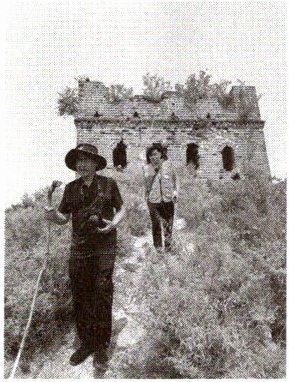
Mei lives in Shixia, a village near the Shixiaguan section of the Great Wall, the oldest part of which dates back to the Northern Qi Dynasty. The villagers have a deep love for the wall. Mei remembers when he ran and played hide-and-seek with his friends on the wall as a child.
However, in 1979, when he returned to Shixia after working outside for years, he was shocked by the destruction to the wall. Some villagers even took bricks (砖块) from it to build their houses. To help protect the wonder, Mei volunteered to patrol 20 km each day.
In 1984, a Great Wall protection project started. Realizing the importance of heritage(遗产) protection, more and more villagers returned the bricks they had taken and joined Mei in patrol.
In 2006, and then head of the village, Mei helped set up a local volunteer protection group, and most of the villagers joined. Encouraged by her uncle, Mei’s niece Liu Hongyan followed in his footsteps and became a Great Wall protector in 2019. “When I was a child, my uncle always told me his patrol stories and talked about the history of the Great Wall,” Liu said. “It is my duty to protect cultural heritage.”
1 Why does Mei tap the ground with a stick?
A. To stay healthy. B. To protect wild animals. C. To keep himself safe. D. To catch villagers’ interest.
2 What does the underlined word “destruction” in Paragraph 3 mean?
A. 探索 B. 取消 C. 开发 D. 破坏
3 When did the Great Wall protection project start?
A. In 1979. B. In 1984. C. In 2006. D. In 2019.
4 What can we know from the passage?
A. Liu set up a volunteer group many years ago. B. Liu used to play hide-and-seek on the Great Wall. C. Mei’s words and actions influenced his family. D. Mei’s village was once very popular among visitors.
5 Where could we find this passage?
A. In a newspaper. B. In a dictionary. C. In a novel. D. In a diary.
Even at 80, Mei Jingtian continues to patrol (巡逻) the Shixiaguan section of the Great Wall. With over forty years of experience, he skillfully taps(轻敲) the ground along the way with a wooden stick, telling wild animals his arrival to make sure his safety.
Mei lives in Shixia, a village near the Shixiaguan section of the Great Wall, the oldest part of which dates back to the Northern Qi Dynasty. The villagers have a deep love for the wall. Mei remembers when he ran and played hide-and-seek with his friends on the wall as a child.
However, in 1979, when he returned to Shixia after working outside for years, he was shocked by the destruction to the wall. Some villagers even took bricks (砖块) from it to build their houses. To help protect the wonder, Mei volunteered to patrol 20 km each day.
In 1984, a Great Wall protection project started. Realizing the importance of heritage(遗产) protection, more and more villagers returned the bricks they had taken and joined Mei in patrol.
In 2006, and then head of the village, Mei helped set up a local volunteer protection group, and most of the villagers joined. Encouraged by her uncle, Mei’s niece Liu Hongyan followed in his footsteps and became a Great Wall protector in 2019. “When I was a child, my uncle always told me his patrol stories and talked about the history of the Great Wall,” Liu said. “It is my duty to protect cultural heritage.”
1 Why does Mei tap the ground with a stick?
A. To stay healthy. B. To protect wild animals. C. To keep himself safe. D. To catch villagers’ interest.
2 What does the underlined word “destruction” in Paragraph 3 mean?
A. 探索 B. 取消 C. 开发 D. 破坏
3 When did the Great Wall protection project start?
A. In 1979. B. In 1984. C. In 2006. D. In 2019.
4 What can we know from the passage?
A. Liu set up a volunteer group many years ago. B. Liu used to play hide-and-seek on the Great Wall. C. Mei’s words and actions influenced his family. D. Mei’s village was once very popular among visitors.
5 Where could we find this passage?
A. In a newspaper. B. In a dictionary. C. In a novel. D. In a diary.
答案:
1.C 2.D 3.B 4.C 5.A
查看更多完整答案,请扫码查看

