

 搜索
搜索
第130页
- 第1页
- 第2页
- 第3页
- 第4页
- 第5页
- 第6页
- 第7页
- 第8页
- 第9页
- 第10页
- 第11页
- 第12页
- 第13页
- 第14页
- 第15页
- 第16页
- 第17页
- 第18页
- 第19页
- 第20页
- 第21页
- 第22页
- 第23页
- 第24页
- 第25页
- 第26页
- 第27页
- 第28页
- 第29页
- 第30页
- 第31页
- 第32页
- 第33页
- 第34页
- 第35页
- 第36页
- 第37页
- 第38页
- 第39页
- 第40页
- 第41页
- 第42页
- 第43页
- 第44页
- 第45页
- 第46页
- 第47页
- 第48页
- 第49页
- 第50页
- 第51页
- 第52页
- 第53页
- 第54页
- 第55页
- 第56页
- 第57页
- 第58页
- 第59页
- 第60页
- 第61页
- 第62页
- 第63页
- 第64页
- 第65页
- 第66页
- 第67页
- 第68页
- 第69页
- 第70页
- 第71页
- 第72页
- 第73页
- 第74页
- 第75页
- 第76页
- 第77页
- 第78页
- 第79页
- 第80页
- 第81页
- 第82页
- 第83页
- 第84页
- 第85页
- 第86页
- 第87页
- 第88页
- 第89页
- 第90页
- 第91页
- 第92页
- 第93页
- 第94页
- 第95页
- 第96页
- 第97页
- 第98页
- 第99页
- 第100页
- 第101页
- 第102页
- 第103页
- 第104页
- 第105页
- 第106页
- 第107页
- 第108页
- 第109页
- 第110页
- 第111页
- 第112页
- 第113页
- 第114页
- 第115页
- 第116页
- 第117页
- 第118页
- 第119页
- 第120页
- 第121页
- 第122页
- 第123页
- 第124页
- 第125页
- 第126页
- 第127页
- 第128页
- 第129页
- 第130页
- 第131页
- 第132页
- 第133页
- 第134页
- 第135页
- 第136页
- 第137页
- 第138页
- 第139页
- 第140页
D 阅读理解
85-year-old Namukobwa lives in Burundi, a country with many mountains in Africa. One morning, Namukobwa was sitting outside when she saw Nzeyimana, the visiting daughter of a neighbor. Namukobwa hadn’t seen Nzeyimana for months since the last time.
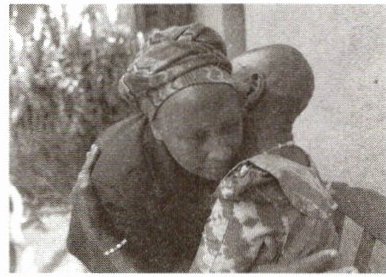
She rose, put her arms around Nzeyimana and asked her some questions in a song-like way, “How are you? How is your husband? How are the kids? How are your cows? Are you getting on well with your neighbors?”
Namukobwa stopped the song to allow Nzeyimana to answer. “Yes,” Nzeyimana answered over and over again in the local Kirundi language. The greeting (问候) between the two women lasted a long time. They were doing a traditional greeting.
A group of neighbors watched with surprise. Many were seeing their first performance of the traditional way of musical greeting, known as “akazehe”. Among young people in Burundi, it is hard to find those who know what “akazehe” means. It is even harder to find someone who can perform it.
Floride was among the small group of women who watched the two women greet each other. She grew up in a farming community (社区) and no mother could perform “akazehe” there. She only heard of it through radio programs before. After watching, she wanted to learn “akazehe” herself.
Annonciate, a teacher, said that when she visited the area as a young girl, she was surprised and didn’t know what to do when a woman greeted her in this song-like way. “I wanted her to finish quickly, even if it was sweet to hear. But now, I fear that ‘akazehe’ may disappear (消失) because few people do this greeting.”
1 What’s the writer’s purpose in writing Paragraph 1?
A. To provide the background.
B. To show the writer’s ideas.
C. To attract readers’ interest.
D. To introduce a country.
2 Which of the following questions did Namukobwa NOT ask Nzeyimana?
A. How are you?
B. How is your job?
C. How is your husband?
D. How are your cows?
3 Why did many neighbors watch the two women’s greeting with surprise?
A. Because they thought the greeting was too long.
B. Because they first saw the special way of greeting.
C. Because they didn’t expect the two women to be so close.
D. Because they didn’t understand the language used in the greeting.
4 How did Floride first know about “akazehe”?
A. She learned it at school.
B. She heard of it from her mother.
C. She saw someone perform it in her community.
D. She came to know about it through a radio program.
5 How did Annonciate feel when she first experienced “akazehe”?
A. Angry. B. Excited. C. Relaxed. D. Uncomfortable.
85-year-old Namukobwa lives in Burundi, a country with many mountains in Africa. One morning, Namukobwa was sitting outside when she saw Nzeyimana, the visiting daughter of a neighbor. Namukobwa hadn’t seen Nzeyimana for months since the last time.
She rose, put her arms around Nzeyimana and asked her some questions in a song-like way, “How are you? How is your husband? How are the kids? How are your cows? Are you getting on well with your neighbors?”
Namukobwa stopped the song to allow Nzeyimana to answer. “Yes,” Nzeyimana answered over and over again in the local Kirundi language. The greeting (问候) between the two women lasted a long time. They were doing a traditional greeting.
A group of neighbors watched with surprise. Many were seeing their first performance of the traditional way of musical greeting, known as “akazehe”. Among young people in Burundi, it is hard to find those who know what “akazehe” means. It is even harder to find someone who can perform it.
Floride was among the small group of women who watched the two women greet each other. She grew up in a farming community (社区) and no mother could perform “akazehe” there. She only heard of it through radio programs before. After watching, she wanted to learn “akazehe” herself.
Annonciate, a teacher, said that when she visited the area as a young girl, she was surprised and didn’t know what to do when a woman greeted her in this song-like way. “I wanted her to finish quickly, even if it was sweet to hear. But now, I fear that ‘akazehe’ may disappear (消失) because few people do this greeting.”
1 What’s the writer’s purpose in writing Paragraph 1?
A. To provide the background.
B. To show the writer’s ideas.
C. To attract readers’ interest.
D. To introduce a country.
2 Which of the following questions did Namukobwa NOT ask Nzeyimana?
A. How are you?
B. How is your job?
C. How is your husband?
D. How are your cows?
3 Why did many neighbors watch the two women’s greeting with surprise?
A. Because they thought the greeting was too long.
B. Because they first saw the special way of greeting.
C. Because they didn’t expect the two women to be so close.
D. Because they didn’t understand the language used in the greeting.
4 How did Floride first know about “akazehe”?
A. She learned it at school.
B. She heard of it from her mother.
C. She saw someone perform it in her community.
D. She came to know about it through a radio program.
5 How did Annonciate feel when she first experienced “akazehe”?
A. Angry. B. Excited. C. Relaxed. D. Uncomfortable.
答案:
1 A 2 B 3 B 4 D 5 D
查看更多完整答案,请扫码查看

