

 搜索
搜索
第137页
- 第1页
- 第2页
- 第3页
- 第4页
- 第5页
- 第6页
- 第7页
- 第8页
- 第9页
- 第10页
- 第11页
- 第12页
- 第13页
- 第14页
- 第15页
- 第16页
- 第17页
- 第18页
- 第19页
- 第20页
- 第21页
- 第22页
- 第23页
- 第24页
- 第25页
- 第26页
- 第27页
- 第28页
- 第29页
- 第30页
- 第31页
- 第32页
- 第33页
- 第34页
- 第35页
- 第36页
- 第37页
- 第38页
- 第39页
- 第40页
- 第41页
- 第42页
- 第43页
- 第44页
- 第45页
- 第46页
- 第47页
- 第48页
- 第49页
- 第50页
- 第51页
- 第52页
- 第53页
- 第54页
- 第55页
- 第56页
- 第57页
- 第58页
- 第59页
- 第60页
- 第61页
- 第62页
- 第63页
- 第64页
- 第65页
- 第66页
- 第67页
- 第68页
- 第69页
- 第70页
- 第71页
- 第72页
- 第73页
- 第74页
- 第75页
- 第76页
- 第77页
- 第78页
- 第79页
- 第80页
- 第81页
- 第82页
- 第83页
- 第84页
- 第85页
- 第86页
- 第87页
- 第88页
- 第89页
- 第90页
- 第91页
- 第92页
- 第93页
- 第94页
- 第95页
- 第96页
- 第97页
- 第98页
- 第99页
- 第100页
- 第101页
- 第102页
- 第103页
- 第104页
- 第105页
- 第106页
- 第107页
- 第108页
- 第109页
- 第110页
- 第111页
- 第112页
- 第113页
- 第114页
- 第115页
- 第116页
- 第117页
- 第118页
- 第119页
- 第120页
- 第121页
- 第122页
- 第123页
- 第124页
- 第125页
- 第126页
- 第127页
- 第128页
- 第129页
- 第130页
- 第131页
- 第132页
- 第133页
- 第134页
- 第135页
- 第136页
- 第137页
- 第138页
- 第139页
- 第140页
D 阅读理解
Rats trained to fight against crimes
When it comes to animals that help solve crimes by smelling things, which animal comes to your mind? Most people probably think of police dogs. However, research by an organization called APOPO has found that rats could be the next crime-fighting heroes on four legs.
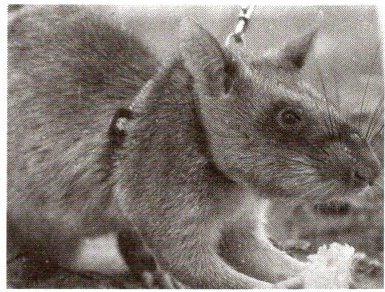
APOPO has already trained African giant pouched rats to do some amazing things. They can find hidden bombs(炸弹) in the ground and tell if someone has a certain illness. They can even make sure where people are buried by earthquakes. Now, these rats are being taught to fight against illegal wildlife trafficking(非法贩运野生动物).
It's hard for people to find these hidden things. However, African giant pouched rats are really good at it with their powerful noses. They are good learners and they can get into small spaces where people can't reach. Besides, it doesn't cost much to train them.
In a lab, scientists trained eleven African giant pouched rats. When they were able to tell the target scents(目标气味), the rats were introduced to a mix of target and non-target scents. The non-target scents included things used by traffickers to cover the smell of illegal goods. By the end of the training, eight rats were able to tell four target scents and 146 non-target scents. APOPO later tested these rats at a port in Tanzania. The rats found more than 83% of the hidden things.
APOPO is now getting ready to send these “HeroRATS” out to find real crimes.
①How does the writer begin the passage?
A. By telling a story.
B. By making a suggestion.
C. By asking a question.
D. By showing a saying.
②Which of the following can the rats trained by APOPO do?
①Find hidden bombs.
②Treat humans' illnesses.
③Search for lost animals.
④Find people buried by earthquakes.
A. ①② B. ①④ C. ②③ D. ③④
③What does Paragraph 3 mainly talk about?
A. The difficulties of training the rats.
B. The history of the rats in crime-solving.
C. The number of those hidden things the rats found.
D. The reason of choosing the rats to help solve crimes.
④What does the underlined word “they” refer to?
A. The rats. B. The Africans.
C. The scientists. D. The traffickers.
⑤What is APOPO's next step after the test in Tanzania?
A. Training more rats.
B. Raising money for its lab.
C. Sending the rats to find real crimes.
D. Using the rats to take the place of police dogs.
Rats trained to fight against crimes
When it comes to animals that help solve crimes by smelling things, which animal comes to your mind? Most people probably think of police dogs. However, research by an organization called APOPO has found that rats could be the next crime-fighting heroes on four legs.
APOPO has already trained African giant pouched rats to do some amazing things. They can find hidden bombs(炸弹) in the ground and tell if someone has a certain illness. They can even make sure where people are buried by earthquakes. Now, these rats are being taught to fight against illegal wildlife trafficking(非法贩运野生动物).
It's hard for people to find these hidden things. However, African giant pouched rats are really good at it with their powerful noses. They are good learners and they can get into small spaces where people can't reach. Besides, it doesn't cost much to train them.
In a lab, scientists trained eleven African giant pouched rats. When they were able to tell the target scents(目标气味), the rats were introduced to a mix of target and non-target scents. The non-target scents included things used by traffickers to cover the smell of illegal goods. By the end of the training, eight rats were able to tell four target scents and 146 non-target scents. APOPO later tested these rats at a port in Tanzania. The rats found more than 83% of the hidden things.
APOPO is now getting ready to send these “HeroRATS” out to find real crimes.
①How does the writer begin the passage?
A. By telling a story.
B. By making a suggestion.
C. By asking a question.
D. By showing a saying.
②Which of the following can the rats trained by APOPO do?
①Find hidden bombs.
②Treat humans' illnesses.
③Search for lost animals.
④Find people buried by earthquakes.
A. ①② B. ①④ C. ②③ D. ③④
③What does Paragraph 3 mainly talk about?
A. The difficulties of training the rats.
B. The history of the rats in crime-solving.
C. The number of those hidden things the rats found.
D. The reason of choosing the rats to help solve crimes.
④What does the underlined word “they” refer to?
A. The rats. B. The Africans.
C. The scientists. D. The traffickers.
⑤What is APOPO's next step after the test in Tanzania?
A. Training more rats.
B. Raising money for its lab.
C. Sending the rats to find real crimes.
D. Using the rats to take the place of police dogs.
答案:
①C ②B ③D ④A ⑤C
查看更多完整答案,请扫码查看

