

 搜索
搜索
第129页
- 第1页
- 第2页
- 第3页
- 第4页
- 第5页
- 第6页
- 第7页
- 第8页
- 第9页
- 第10页
- 第11页
- 第12页
- 第13页
- 第14页
- 第15页
- 第16页
- 第17页
- 第18页
- 第19页
- 第20页
- 第21页
- 第22页
- 第23页
- 第24页
- 第25页
- 第26页
- 第27页
- 第28页
- 第29页
- 第30页
- 第31页
- 第32页
- 第33页
- 第34页
- 第35页
- 第36页
- 第37页
- 第38页
- 第39页
- 第40页
- 第41页
- 第42页
- 第43页
- 第44页
- 第45页
- 第46页
- 第47页
- 第48页
- 第49页
- 第50页
- 第51页
- 第52页
- 第53页
- 第54页
- 第55页
- 第56页
- 第57页
- 第58页
- 第59页
- 第60页
- 第61页
- 第62页
- 第63页
- 第64页
- 第65页
- 第66页
- 第67页
- 第68页
- 第69页
- 第70页
- 第71页
- 第72页
- 第73页
- 第74页
- 第75页
- 第76页
- 第77页
- 第78页
- 第79页
- 第80页
- 第81页
- 第82页
- 第83页
- 第84页
- 第85页
- 第86页
- 第87页
- 第88页
- 第89页
- 第90页
- 第91页
- 第92页
- 第93页
- 第94页
- 第95页
- 第96页
- 第97页
- 第98页
- 第99页
- 第100页
- 第101页
- 第102页
- 第103页
- 第104页
- 第105页
- 第106页
- 第107页
- 第108页
- 第109页
- 第110页
- 第111页
- 第112页
- 第113页
- 第114页
- 第115页
- 第116页
- 第117页
- 第118页
- 第119页
- 第120页
- 第121页
- 第122页
- 第123页
- 第124页
- 第125页
- 第126页
- 第127页
- 第128页
- 第129页
- 第130页
- 第131页
- 第132页
- 第133页
- 第134页
- 第135页
- 第136页
- 第137页
- 第138页
- 第139页
- 第140页
C 阅读理解
French schools have tried out a new rule of using mobile phones. Children starting a new year at 200 secondary schools have to leave their phones in lockers or at the school’s office for the whole day.
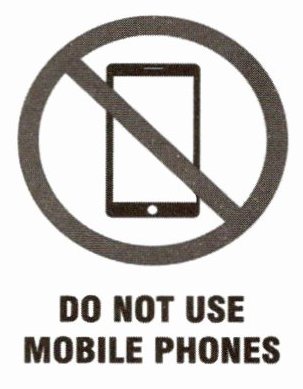
The French government has already stopped children under 15 from using phones in school. But the new rule takes things further. Students have to hand in their phones when they get to school. They are not allowed to carry them around. If the trial (试验) is successful, all secondary schools in France might introduce the rule.
The trial comes after a report about the influence of too much screen time on children. It was written by experts on children’s mental (精神的) health and said that too much screen time can stop children and young people from getting enough sleep or physical exercise, as well as increasing stress.
The French president said screen addiction (瘾) might bring all kinds of problems, including bullying. To avoid this, the report says that phones should be introduced in stages (阶段), with parents and teachers helping to do this. The report suggests no mobile phones before the age of 11; phones with no internet until 13; and phones with internet but no access (机会) to social media until age 15. “We must put this tool in its place,” said Servane Mouton, a doctor who helped write the report.
1 What does the underlined word “them” in Paragraph 2 refer to?
A. Schools. B. Rules. C. Reports. D. Phones.
2 Which paragraph mainly talks about the bad influence of too much screen time?
A. Paragraph 1. B. Paragraph 2. C. Paragraph 3. D. Paragraph 4.
3 Which of the following is TRUE according to the report?
① The 10-year-old students can’t use phones.
② The 12-year-old students can use phones with no internet.
③ The 14-year-old students can’t use social media.
④ The 16-year-old students are not allowed to use phones.
A. ①②③ B. ①②④ C. ①③④ D. ②③④
4 What’s the main purpose of the passage?
A. To introduce a new rule.
B. To explain how to sleep well.
C. To describe Servane and his report.
D. To give information about screen addiction.
French schools have tried out a new rule of using mobile phones. Children starting a new year at 200 secondary schools have to leave their phones in lockers or at the school’s office for the whole day.
The French government has already stopped children under 15 from using phones in school. But the new rule takes things further. Students have to hand in their phones when they get to school. They are not allowed to carry them around. If the trial (试验) is successful, all secondary schools in France might introduce the rule.
The trial comes after a report about the influence of too much screen time on children. It was written by experts on children’s mental (精神的) health and said that too much screen time can stop children and young people from getting enough sleep or physical exercise, as well as increasing stress.
The French president said screen addiction (瘾) might bring all kinds of problems, including bullying. To avoid this, the report says that phones should be introduced in stages (阶段), with parents and teachers helping to do this. The report suggests no mobile phones before the age of 11; phones with no internet until 13; and phones with internet but no access (机会) to social media until age 15. “We must put this tool in its place,” said Servane Mouton, a doctor who helped write the report.
1 What does the underlined word “them” in Paragraph 2 refer to?
A. Schools. B. Rules. C. Reports. D. Phones.
2 Which paragraph mainly talks about the bad influence of too much screen time?
A. Paragraph 1. B. Paragraph 2. C. Paragraph 3. D. Paragraph 4.
3 Which of the following is TRUE according to the report?
① The 10-year-old students can’t use phones.
② The 12-year-old students can use phones with no internet.
③ The 14-year-old students can’t use social media.
④ The 16-year-old students are not allowed to use phones.
A. ①②③ B. ①②④ C. ①③④ D. ②③④
4 What’s the main purpose of the passage?
A. To introduce a new rule.
B. To explain how to sleep well.
C. To describe Servane and his report.
D. To give information about screen addiction.
答案:
1 D 2 C 3 A 4 A
查看更多完整答案,请扫码查看

