

 搜索
搜索
第11页
- 第1页
- 第2页
- 第3页
- 第4页
- 第5页
- 第6页
- 第7页
- 第8页
- 第9页
- 第10页
- 第11页
- 第12页
- 第13页
- 第14页
- 第15页
- 第16页
- 第17页
- 第18页
- 第19页
- 第20页
- 第21页
- 第22页
- 第23页
- 第24页
- 第25页
- 第26页
- 第27页
- 第28页
- 第29页
- 第30页
- 第31页
- 第32页
- 第33页
- 第34页
- 第35页
- 第36页
- 第37页
- 第38页
- 第39页
- 第40页
- 第41页
- 第42页
- 第43页
- 第44页
- 第45页
- 第46页
- 第47页
- 第48页
- 第49页
- 第50页
- 第51页
- 第52页
- 第53页
- 第54页
- 第55页
- 第56页
- 第57页
- 第58页
- 第59页
- 第60页
- 第61页
- 第62页
- 第63页
- 第64页
- 第65页
- 第66页
- 第67页
- 第68页
- 第69页
- 第70页
- 第71页
- 第72页
- 第73页
- 第74页
- 第75页
- 第76页
- 第77页
- 第78页
- 第79页
- 第80页
- 第81页
- 第82页
- 第83页
- 第84页
- 第85页
- 第86页
- 第87页
- 第88页
- 第89页
- 第90页
- 第91页
- 第92页
- 第93页
- 第94页
- 第95页
- 第96页
- 第97页
- 第98页
- 第99页
- 第100页
- 第101页
- 第102页
- 第103页
- 第104页
- 第105页
- 第106页
- 第107页
- 第108页
- 第109页
- 第110页
- 第111页
- 第112页
Ⅳ.根据汉语意思完成英语句子,每空一词
1. 我希望某一天我能成为一名电视台记者。
I ______ ______ ______ a TV reporter one day.
2. 雷锋总是乐于助人。
Lei Feng was always ______ ______ help others.
3. 在20世纪80年代,他成了一名医生。
______ ______ ______, he became a doctor.
4. 老师说我们这次考试表现得相当好。
The teacher said we ______ ______ ______ ______ in the test.
5. 每年圣诞节,他父亲都会装扮成圣诞老人。
His father ______ ______ like Santa Claus every Christmas.
6. 她代替她的妹妹参加了聚会。
She ______ ______ ______ ______ to the party.
1. 我希望某一天我能成为一名电视台记者。
I ______ ______ ______ a TV reporter one day.
2. 雷锋总是乐于助人。
Lei Feng was always ______ ______ help others.
3. 在20世纪80年代,他成了一名医生。
______ ______ ______, he became a doctor.
4. 老师说我们这次考试表现得相当好。
The teacher said we ______ ______ ______ ______ in the test.
5. 每年圣诞节,他父亲都会装扮成圣诞老人。
His father ______ ______ like Santa Claus every Christmas.
6. 她代替她的妹妹参加了聚会。
She ______ ______ ______ ______ to the party.
答案:
1. hope to be 2. ready to 3. In the 1980s 4. did a good job 5. dresses up 6. took her sister's place
Ⅴ.阅读表达
阅读下面短文,根据短文内容回答问题。
Almost all children around the world love cartoons. Why?
First, cartoons usually have beautiful pictures in all colors. Children like bright(鲜艳的) colors and nice pictures which make them feel comfortable and relaxed.
Second, cartoons usually have funny and wonderful stories. These can bring children more fun and surprise. When their parents are busy with the work, cartoons are with them and become their good friends!
Third, there are many heroes (英雄) in cartoons. They are smart, friendly and outgoing. On the other hand, most children want to be the people like the characters and learn something from them.
The most important thing is that cartoons are easy for children to understand. Children are so young that they can't understand anything too difficult. So they can always expect to learn a lot from cartoons.
1. Why do children like bright colors and nice pictures in cartoons?
______________________________
2. What can stories in cartoons bring children?
______________________________
3. What are heroes in cartoons like?
______________________________
4. Why do children expect to learn a lot from cartoons?
______________________________
5. How many reasons are mentioned(提到) in the passage?
______________________________
阅读下面短文,根据短文内容回答问题。
Almost all children around the world love cartoons. Why?
First, cartoons usually have beautiful pictures in all colors. Children like bright(鲜艳的) colors and nice pictures which make them feel comfortable and relaxed.
Second, cartoons usually have funny and wonderful stories. These can bring children more fun and surprise. When their parents are busy with the work, cartoons are with them and become their good friends!
Third, there are many heroes (英雄) in cartoons. They are smart, friendly and outgoing. On the other hand, most children want to be the people like the characters and learn something from them.
The most important thing is that cartoons are easy for children to understand. Children are so young that they can't understand anything too difficult. So they can always expect to learn a lot from cartoons.
1. Why do children like bright colors and nice pictures in cartoons?
______________________________
2. What can stories in cartoons bring children?
______________________________
3. What are heroes in cartoons like?
______________________________
4. Why do children expect to learn a lot from cartoons?
______________________________
5. How many reasons are mentioned(提到) in the passage?
______________________________
答案:
1. Because they make children feel comfortable and relaxed.
2. They can bring children more fun and surprise.
3. They are smart, friendly and outgoing.
4. Cartoons are easy for children to understand. Children are so young that they can't understand anything too difficult.
5. Four. /4.
2. They can bring children more fun and surprise.
3. They are smart, friendly and outgoing.
4. Cartoons are easy for children to understand. Children are so young that they can't understand anything too difficult.
5. Four. /4.
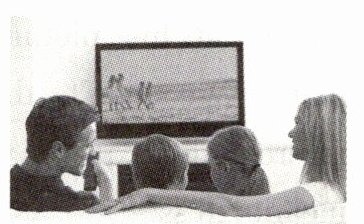
American boys and girls love watching television. Some children spend six hours a day at school, and then spend another four to six hours in front of the television set. Some even watch television for eight hours or more on Saturdays.
TV shows are like books or films. A child can learn both good things and bad things from them. Some programs help children understand the world better and others show people and places from other countries or other times in history. With TV, a child does not have to go to the zoo to see animals or to the ocean to see a ship. Boys and girls can see plays, concerts or games at home.
Television brings many places and events into our homes. Some programs show crime (犯罪活动) and other things that children shouldn’t watch, so parents need to help their kids to find out the good programs, and they can also help their kids to find other interesting things to do and limit their children’s TV time.
1. Some American children usually spend ________ a day at school.
A. four hours
B. four to six hours
C. six hours
D. more than eight hours
2. Some children spend eight hours or more ________ on Saturdays.
A. watching TV
B. playing card games
C. studying
D. helping their parents
3. On television, children can see ________.
A. games
B. animals
C. oceans
D. almost everything
4. What does the underlined sentence mean?
A. Television is bad for children.
B. Television makes people love their homes.
C. People can learn about things without going to them.
D. People can see houses and buildings on TV.
5. What is the main idea of the passage?
A. Why TV is bad.
B. The good and bad sides of TV.
C. How kids watch TV.
D. Programs on TV for children.
TV shows are like books or films. A child can learn both good things and bad things from them. Some programs help children understand the world better and others show people and places from other countries or other times in history. With TV, a child does not have to go to the zoo to see animals or to the ocean to see a ship. Boys and girls can see plays, concerts or games at home.
Television brings many places and events into our homes. Some programs show crime (犯罪活动) and other things that children shouldn’t watch, so parents need to help their kids to find out the good programs, and they can also help their kids to find other interesting things to do and limit their children’s TV time.
1. Some American children usually spend ________ a day at school.
A. four hours
B. four to six hours
C. six hours
D. more than eight hours
2. Some children spend eight hours or more ________ on Saturdays.
A. watching TV
B. playing card games
C. studying
D. helping their parents
3. On television, children can see ________.
A. games
B. animals
C. oceans
D. almost everything
4. What does the underlined sentence mean?
A. Television is bad for children.
B. Television makes people love their homes.
C. People can learn about things without going to them.
D. People can see houses and buildings on TV.
5. What is the main idea of the passage?
A. Why TV is bad.
B. The good and bad sides of TV.
C. How kids watch TV.
D. Programs on TV for children.
答案:
【语篇解读】文章介绍了看电视给孩子们带来的积极影响和消极影响。
1. C 细节理解题。根据第一段中的“Some children spend six hours a day at school, and then spend another four to six hours in front of the television set. ”可知,一些孩子每天在学校待六个小时。
2. A 细节理解题。根据第一段中的“Some even watch television for eight hours or more on Saturdays. ”可知,在周六一些孩子甚至会看八个小时或更长时间的电视。
3. D 推理判断题。根据短文第二段的内容可知,通过电视孩子们可以看到几乎所有的东西。
4. C 句意理解题。根据句意“电视把许多地方和事件带入我们的家中”可知,是说人们可以在接触不到实物的情况下了解它们。
5. B 主旨大意题。根据第二段中的“TV shows are like books or films. A child can learn both good things and bad things from them. ”可知,本文主要讲电视的利与弊。
1. C 细节理解题。根据第一段中的“Some children spend six hours a day at school, and then spend another four to six hours in front of the television set. ”可知,一些孩子每天在学校待六个小时。
2. A 细节理解题。根据第一段中的“Some even watch television for eight hours or more on Saturdays. ”可知,在周六一些孩子甚至会看八个小时或更长时间的电视。
3. D 推理判断题。根据短文第二段的内容可知,通过电视孩子们可以看到几乎所有的东西。
4. C 句意理解题。根据句意“电视把许多地方和事件带入我们的家中”可知,是说人们可以在接触不到实物的情况下了解它们。
5. B 主旨大意题。根据第二段中的“TV shows are like books or films. A child can learn both good things and bad things from them. ”可知,本文主要讲电视的利与弊。
查看更多完整答案,请扫码查看

