

 搜索
搜索
第14页
- 第1页
- 第2页
- 第3页
- 第4页
- 第5页
- 第6页
- 第7页
- 第8页
- 第9页
- 第10页
- 第11页
- 第12页
- 第13页
- 第14页
- 第15页
- 第16页
- 第17页
- 第18页
- 第19页
- 第20页
- 第21页
- 第22页
- 第23页
- 第24页
- 第25页
- 第26页
- 第27页
- 第28页
- 第29页
- 第30页
- 第31页
- 第32页
- 第33页
- 第34页
- 第35页
- 第36页
- 第37页
- 第38页
- 第39页
- 第40页
- 第41页
- 第42页
- 第43页
- 第44页
- 第45页
- 第46页
- 第47页
- 第48页
- 第49页
- 第50页
- 第51页
- 第52页
- 第53页
- 第54页
- 第55页
- 第56页
- 第57页
- 第58页
- 第59页
- 第60页
- 第61页
- 第62页
- 第63页
- 第64页
- 第65页
- 第66页
- 第67页
- 第68页
- 第69页
- 第70页
- 第71页
- 第72页
- 第73页
- 第74页
- 第75页
- 第76页
- 第77页
- 第78页
- 第79页
- 第80页
- 第81页
- 第82页
- 第83页
- 第84页
- 第85页
- 第86页
- 第87页
- 第88页
- 第89页
- 第90页
- 第91页
- 第92页
- 第93页
- 第94页
- 第95页
- 第96页
- 第97页
- 第98页
- 第99页
- 第100页
- 第101页
- 第102页
- 第103页
- 第104页
- 第105页
- 第106页
- 第107页
- 第108页
- 第109页
- 第110页
- 第111页
- 第112页
- 第113页
- 第114页
- 第115页
- 第116页
- 第117页
- 第118页
- 第119页
- 第120页
- 第121页
- 第122页
- 第123页
- 第124页
- 第125页
- 第126页
- 第127页
- 第128页
- 第129页
- 第130页
- 第131页
- 第132页
- 第133页
- 第134页
- 第135页
- 第136页
- 第137页
- 第138页
- 第139页
- 第140页
- 第141页
- 第142页
- 第143页
- 第144页
- 第145页
- 第146页
- 第147页
- 第148页
- 第149页
Ⅰ. 完形填空。
传统文化 Every April, there is a special day in China. It is the Qingming Festival, also called Tomb Sweeping Day. On that day, people 1 their ancestors (祖先). The Qingming Festival is a 2 Chinese festival. It has a long history. It began over 2,000 years ago. A famous poem 3 the Tang Dynasty poet Du Mu describes the day, “Rain falls heavily as Qingming comes, and passers - by (行人) with low spirits go.”
Tomb Sweeping Day has been a public 4 in China since 2008. On this day, 5 bring flowers, food and wine to their ancestors' tombs (墓). 6 they put food like cakes and fruits in front of the tombs, they sweep the dirt off the tombs and remember their dead family members.
7 do Chinese people do this? That's because people think that visiting tombs is to 8 respect (尊重) to their dead family members.
However, Tomb Sweeping Day is not only about this. During this time, the weather is becoming 9. People are able to garden (种植花木) and enjoy outdoor activities. Families often 10 for outings (远足) or fly kites at this time.
(
(
(
(
(
(
(
(
(
(
传统文化 Every April, there is a special day in China. It is the Qingming Festival, also called Tomb Sweeping Day. On that day, people 1 their ancestors (祖先). The Qingming Festival is a 2 Chinese festival. It has a long history. It began over 2,000 years ago. A famous poem 3 the Tang Dynasty poet Du Mu describes the day, “Rain falls heavily as Qingming comes, and passers - by (行人) with low spirits go.”
Tomb Sweeping Day has been a public 4 in China since 2008. On this day, 5 bring flowers, food and wine to their ancestors' tombs (墓). 6 they put food like cakes and fruits in front of the tombs, they sweep the dirt off the tombs and remember their dead family members.
7 do Chinese people do this? That's because people think that visiting tombs is to 8 respect (尊重) to their dead family members.
However, Tomb Sweeping Day is not only about this. During this time, the weather is becoming 9. People are able to garden (种植花木) and enjoy outdoor activities. Families often 10 for outings (远足) or fly kites at this time.
(
A
)1. A. remember B. meet C. see(
C
)2. A. popular B. modern C. traditional(
B
)3. A. for B. by C. with(
C
)4. A. weekend B. weekday C. holiday(
B
)5. A. classes B. families C. friends(
C
)6. A. Until B. Since C. After(
A
)7. A. Why B. When C. Where(
B
)8. A. bring B. show C. make(
A
)9. A. warmer B. colder C. cooler(
C
)10. A. have fun B. work hard C. get together
答案:
Ⅰ.1-5 ACBCB 6-10 CABAC
Ⅱ. 阅读理解。
A (2023 - 2024·防城港市上思县第二次月考)

传统文化 The Lantern Festival falls on the 15th of the first month of the Chinese lunar calendar. Ancient people also called it Shangyuan Festival. Celebrations and traditions on this day began from the Han Dynasty (朝代), and became popular in the Tang Dynasty.
Watching the red lanterns is one of the main traditions. Lanterns of different shapes and sizes are usually put on trees, or along river banks on show. Kids usually hold small lanterns in order to get good luck.
Another tradition is guessing lantern riddles (谜语). The answer to a riddle is usually a Chinese character, or a famous person's name.
The most important thing is to eat sweet dumplings with different tastes. In northern China, they are called *yuanxiao* while in the southern part they're named *tangyuan*. Because making sweet dumplings is like a game or an activity, they are usually done happily by a group of friends or family members.
In old times, the Lantern Festival was a good time for young people to find love. Watching lanterns gave young people a chance to meet each other. And there were many romantic (浪漫的) stories about this festival. Two lines from Xin Qiji in the Song Dynasty describe this, “Suddenly I turned, and there she stood, in the dim light.”
In a word, the Lantern Festival has brought Chinese people so much fun and joy. We hope the young people can carry on these traditions and develop Chinese culture.
根据语篇内容,选择最佳选项。
(
A. Two. B. Three. C. Five.
(
A. We can see lanterns in all colours on the Lantern Festival.
B. Most lantern riddles are about plants and animals.
C. The Lantern Festival used to be romantic.
(
A. There are different kinds of sweet dumplings in China.
B. They are called *tangyuan* in northern China.
C. People only make sweet dumplings with family members.
(
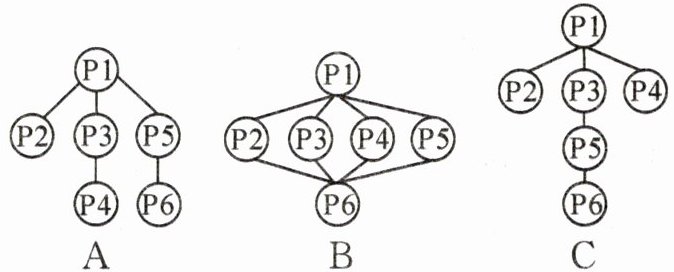
(
A. Where is the Lantern Festival celebrated?
B. We should make the Lantern Festival more popular
C. The introduction of the Lantern Festival
A (2023 - 2024·防城港市上思县第二次月考)
传统文化 The Lantern Festival falls on the 15th of the first month of the Chinese lunar calendar. Ancient people also called it Shangyuan Festival. Celebrations and traditions on this day began from the Han Dynasty (朝代), and became popular in the Tang Dynasty.
Watching the red lanterns is one of the main traditions. Lanterns of different shapes and sizes are usually put on trees, or along river banks on show. Kids usually hold small lanterns in order to get good luck.
Another tradition is guessing lantern riddles (谜语). The answer to a riddle is usually a Chinese character, or a famous person's name.
The most important thing is to eat sweet dumplings with different tastes. In northern China, they are called *yuanxiao* while in the southern part they're named *tangyuan*. Because making sweet dumplings is like a game or an activity, they are usually done happily by a group of friends or family members.
In old times, the Lantern Festival was a good time for young people to find love. Watching lanterns gave young people a chance to meet each other. And there were many romantic (浪漫的) stories about this festival. Two lines from Xin Qiji in the Song Dynasty describe this, “Suddenly I turned, and there she stood, in the dim light.”
In a word, the Lantern Festival has brought Chinese people so much fun and joy. We hope the young people can carry on these traditions and develop Chinese culture.
根据语篇内容,选择最佳选项。
(
B
)11. How many dynasties are mentioned in this text?A. Two. B. Three. C. Five.
(
C
)12. According to the text, which of the following statements is TRUE?A. We can see lanterns in all colours on the Lantern Festival.
B. Most lantern riddles are about plants and animals.
C. The Lantern Festival used to be romantic.
(
A
)13. From Paragraph 4, what can we learn about sweet dumplings?A. There are different kinds of sweet dumplings in China.
B. They are called *tangyuan* in northern China.
C. People only make sweet dumplings with family members.
(
B
)14. 新考向 篇章结构 Which of the following best shows the structure of the text? (P1 = Paragraph 1...)(
C
)15. What's the best title for the text?A. Where is the Lantern Festival celebrated?
B. We should make the Lantern Festival more popular
C. The introduction of the Lantern Festival
答案:
Ⅱ.A)11-15 BCABC
查看更多完整答案,请扫码查看

