

 搜索
搜索
第8页
- 第1页
- 第2页
- 第3页
- 第4页
- 第5页
- 第6页
- 第7页
- 第8页
- 第9页
- 第10页
- 第11页
- 第12页
- 第13页
- 第14页
- 第15页
- 第16页
- 第17页
- 第18页
- 第19页
- 第20页
- 第21页
- 第22页
- 第23页
- 第24页
- 第25页
- 第26页
- 第27页
- 第28页
- 第29页
- 第30页
- 第31页
- 第32页
- 第33页
- 第34页
- 第35页
- 第36页
- 第37页
- 第38页
- 第39页
- 第40页
- 第41页
- 第42页
- 第43页
- 第44页
- 第45页
- 第46页
- 第47页
- 第48页
- 第49页
- 第50页
- 第51页
- 第52页
- 第53页
- 第54页
- 第55页
- 第56页
- 第57页
- 第58页
- 第59页
- 第60页
- 第61页
- 第62页
- 第63页
- 第64页
- 第65页
- 第66页
- 第67页
- 第68页
- 第69页
- 第70页
- 第71页
- 第72页
- 第73页
- 第74页
- 第75页
- 第76页
- 第77页
- 第78页
- 第79页
- 第80页
- 第81页
- 第82页
- 第83页
- 第84页
- 第85页
- 第86页
- 第87页
考点一:in front of 与 in the front of 的辨析
根据图片提示,用 in front of 或 in the front of 填空
1. Look! There is a little child
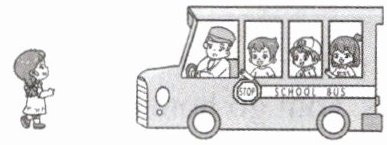
2. The driver sits
根据图片提示,用 in front of 或 in the front of 填空
1. Look! There is a little child
in front of
the bus. It's dangerous.2. The driver sits
in the front of
the bus. Does he see the child?
答案:
1. in front of 2. in the front of
考点二:both 的用法
用括号内所给单词的适当形式填空
1. Both of the new magazines ______
2. Both Lisa and Lucy ______
3. My brother doesn't like pop music, but my sister and I both ______
用括号内所给单词的适当形式填空
1. Both of the new magazines ______
are
(be) very interesting.2. Both Lisa and Lucy ______
are
(be) going to the school library.3. My brother doesn't like pop music, but my sister and I both ______
like
(like) it.
答案:
1. are 2. are 3. like
考点三:enjoy 的用法
用括号内所给单词的适当形式填空
1. Tom loves nature and he ______ (enjoy) hiking in the mountains.
2. All the tourists enjoy ______ (they) during the trip to the seaside.
3. I enjoy ______ (watch) cartoons at home on weekends.
1.
2.
3.
用括号内所给单词的适当形式填空
1. Tom loves nature and he ______ (enjoy) hiking in the mountains.
2. All the tourists enjoy ______ (they) during the trip to the seaside.
3. I enjoy ______ (watch) cartoons at home on weekends.
1.
enjoys
2.
themselves
3.
watching
答案:
1. enjoys 2. themselves 3. watching
考点四:borrow 与 lend 的辨析
用 borrow 或 lend 完成小语段
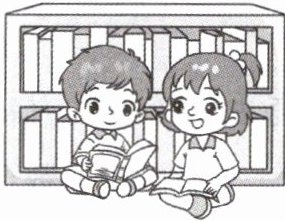
In the library, Anna says to Bob, “This book looks interesting. Can I 1.
用 borrow 或 lend 完成小语段
In the library, Anna says to Bob, “This book looks interesting. Can I 1.
borrow
it?” Bob answers, “Sure. Just remember to return it on time. And I can 2. lend
you my card if you need.”
答案:
1. borrow 2. lend
考点五:a lot of, lots of 与 a lot 的辨析
用 a lot of, lots of 或 a lot 填空
1. I like reading
2. There are
3. She wants to learn
用 a lot of, lots of 或 a lot 填空
1. I like reading
a lot
. It makes me happy and relaxed.2. There are
lots of / a lot of
beautiful flowers in the old lady's small garden.3. She wants to learn
a lot
about Chinese culture and history.
答案:
1. a lot 2. lots of / a lot of 3. a lot
一、短文填空
Bill is from the UK. Here's one of his school days. In the morning, he 1. ______ (
The first lesson is maths and it 3. ______ (
At 12 o'clock, it's time for 11. ______ (
In the afternoon, they have 13. ______ (
Bill is from the UK. Here's one of his school days. In the morning, he 1. ______ (
gets
) up at 7:30. He eats breakfast 2. ______ (and
) then goes to school.The first lesson is maths and it 3. ______ (
begins
) at 8:00. He likes maths because he's good 4. ______ (with
) numbers. And he likes 5. ______ (working
) out maths problems. Next he 6. ______ (has
) a music class and the students learn 7. ______ (to play
) some musical instruments. Bill is good at 8. ______ (playing
) the piano. The third class 9. ______ (is
) science. He likes 10. ______ (his
) science teacher. She can always make learning fun.At 12 o'clock, it's time for 11. ______ (
him
) to enjoy his lunch. After that, he takes a walk with his friends. They talk about funny 12. ______ (things
).In the afternoon, they have 13. ______ (
an
) English class at 2:00. In class, they do some reading. That's very important 14. ______ (for
) English learning. The last class of the day is PE. Bill can play different sports and have a lot of fun in class. The PE class 15. ______ (finishes
) at 4 o'clock. After that, he goes home.
答案:
1. gets 【点拨】句子时态为一般现在时,主语是 he,谓语动词用单三形式。
2. and 【点拨】前后是顺承关系,用 and 连接。
3. begins 【点拨】主语是 it,谓语动词用单三形式。
4. with
5. working 【点拨】like doing sth. 喜欢做某事。
6. has
7. to play 【点拨】learn to do sth. 学习做某事。
8. playing
9. is 【点拨】句子是一般现在时,主语是名词单数,be 动词用 is。
10. his 【点拨】修饰空后的名词短语用形容词性物主代词 his“他的”。
11. him 【点拨】介词 for 后用代词的宾格形式。
12. things 【点拨】此处表示泛指,用名词复数 things“事情”。
13. an 【点拨】此处指“一节英语课”,English 以元音音素开头,用不定冠词 an。
14. for 【点拨】根据“In class, they do some reading. That's very important... English learning.”可知,此处指阅读对英语学习很重要,用介词 for。
15. finishes 【点拨】句子是一般现在时,主语是名词单数,谓语动词用 finishes“结束”。
2. and 【点拨】前后是顺承关系,用 and 连接。
3. begins 【点拨】主语是 it,谓语动词用单三形式。
4. with
5. working 【点拨】like doing sth. 喜欢做某事。
6. has
7. to play 【点拨】learn to do sth. 学习做某事。
8. playing
9. is 【点拨】句子是一般现在时,主语是名词单数,be 动词用 is。
10. his 【点拨】修饰空后的名词短语用形容词性物主代词 his“他的”。
11. him 【点拨】介词 for 后用代词的宾格形式。
12. things 【点拨】此处表示泛指,用名词复数 things“事情”。
13. an 【点拨】此处指“一节英语课”,English 以元音音素开头,用不定冠词 an。
14. for 【点拨】根据“In class, they do some reading. That's very important... English learning.”可知,此处指阅读对英语学习很重要,用介词 for。
15. finishes 【点拨】句子是一般现在时,主语是名词单数,谓语动词用 finishes“结束”。
查看更多完整答案,请扫码查看

