

 搜索
搜索
第92页
- 第1页
- 第2页
- 第3页
- 第4页
- 第5页
- 第6页
- 第7页
- 第8页
- 第9页
- 第10页
- 第11页
- 第12页
- 第13页
- 第14页
- 第15页
- 第16页
- 第17页
- 第18页
- 第19页
- 第20页
- 第21页
- 第22页
- 第23页
- 第24页
- 第25页
- 第26页
- 第27页
- 第28页
- 第29页
- 第30页
- 第31页
- 第32页
- 第33页
- 第34页
- 第35页
- 第36页
- 第37页
- 第38页
- 第39页
- 第40页
- 第41页
- 第42页
- 第43页
- 第44页
- 第45页
- 第46页
- 第47页
- 第48页
- 第49页
- 第50页
- 第51页
- 第52页
- 第53页
- 第54页
- 第55页
- 第56页
- 第57页
- 第58页
- 第59页
- 第60页
- 第61页
- 第62页
- 第63页
- 第64页
- 第65页
- 第66页
- 第67页
- 第68页
- 第69页
- 第70页
- 第71页
- 第72页
- 第73页
- 第74页
- 第75页
- 第76页
- 第77页
- 第78页
- 第79页
- 第80页
- 第81页
- 第82页
- 第83页
- 第84页
- 第85页
- 第86页
- 第87页
- 第88页
- 第89页
- 第90页
- 第91页
- 第92页
Ⅴ. 阅读理解
Marta is interviewing a volunteer, Haru, at the meeting.
Marta: What kind of volunteer job do you have?
Haru: I work at a nature museum. I teach groups of children about animals, birds and plants. Last month, I helped some students write a report about the birds they didn't know.
Marta: That's interesting. Where did you hear about this job?
Haru: I found it through United We Serve. It's a great way for us to volunteer in our own communities. There's a great website for volunteers. Go to www. serve. gov.
Marta: Is it just for young people?
Haru: No, it isn't. There are chances for everyone!
Marta: I have an idea for a volunteer project. What should I do?
Haru: Before you start, you should put your idea on the site and ask for volunteers. Many people are volunteering these days. And more people are going to volunteer in the future. In America, there is a law in which student volunteers can get money for their education. Besides, the number of older people rockets. That means we are going to have more older volunteers, too.
Marta: Fine. What do you want to say to other young men?
Haru: ▲
Marta: A good call! Hope more young people can join you! Thank you for your time, Haru.
Haru: My pleasure.
(
A. A student.
B. A volunteer.
C. A doctor.
D. A reporter.
(
A. asking a question
B. giving an example
C. making a comparison(对比)
D. listing some numbers
(
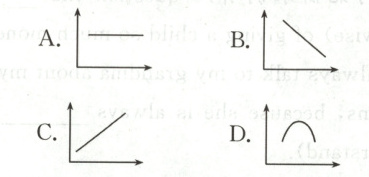
(
A. We hope volunteers can speak English.
B. Join us as a volunteer and realise your life value!
C. You can help your neighbours with their food shopping.
D. We should express thanks to the people who do volunteer jobs.
Marta is interviewing a volunteer, Haru, at the meeting.
Marta: What kind of volunteer job do you have?
Haru: I work at a nature museum. I teach groups of children about animals, birds and plants. Last month, I helped some students write a report about the birds they didn't know.
Marta: That's interesting. Where did you hear about this job?
Haru: I found it through United We Serve. It's a great way for us to volunteer in our own communities. There's a great website for volunteers. Go to www. serve. gov.
Marta: Is it just for young people?
Haru: No, it isn't. There are chances for everyone!
Marta: I have an idea for a volunteer project. What should I do?
Haru: Before you start, you should put your idea on the site and ask for volunteers. Many people are volunteering these days. And more people are going to volunteer in the future. In America, there is a law in which student volunteers can get money for their education. Besides, the number of older people rockets. That means we are going to have more older volunteers, too.
Marta: Fine. What do you want to say to other young men?
Haru: ▲
Marta: A good call! Hope more young people can join you! Thank you for your time, Haru.
Haru: My pleasure.
(
D
)31. What does Marta probably do?A. A student.
B. A volunteer.
C. A doctor.
D. A reporter.
(
B
)32. Haru introduces his work by ______.A. asking a question
B. giving an example
C. making a comparison(对比)
D. listing some numbers
(
C
)33. Which of the following can describe the underlined word “rockets”?(
B
)34. Which of the following can be put in ▲?A. We hope volunteers can speak English.
B. Join us as a volunteer and realise your life value!
C. You can help your neighbours with their food shopping.
D. We should express thanks to the people who do volunteer jobs.
答案:
V.31—34 DBCB
查看更多完整答案,请扫码查看

