

 搜索
搜索
第73页
- 第1页
- 第2页
- 第3页
- 第4页
- 第5页
- 第6页
- 第7页
- 第8页
- 第9页
- 第10页
- 第11页
- 第12页
- 第13页
- 第14页
- 第15页
- 第16页
- 第17页
- 第18页
- 第19页
- 第20页
- 第21页
- 第22页
- 第23页
- 第24页
- 第25页
- 第26页
- 第27页
- 第28页
- 第29页
- 第30页
- 第31页
- 第32页
- 第33页
- 第34页
- 第35页
- 第36页
- 第37页
- 第38页
- 第39页
- 第40页
- 第41页
- 第42页
- 第43页
- 第44页
- 第45页
- 第46页
- 第47页
- 第48页
- 第49页
- 第50页
- 第51页
- 第52页
- 第53页
- 第54页
- 第55页
- 第56页
- 第57页
- 第58页
- 第59页
- 第60页
- 第61页
- 第62页
- 第63页
- 第64页
- 第65页
- 第66页
- 第67页
- 第68页
- 第69页
- 第70页
- 第71页
- 第72页
- 第73页
- 第74页
- 第75页
- 第76页
- 第77页
- 第78页
- 第79页
- 第80页
- 第81页
- 第82页
- 第83页
- 第84页
- 第85页
- 第86页
- 第87页
- 第88页
- 第89页
- 第90页
- 第91页
- 第92页
Ⅰ. 根据句意及所给提示完成句子
1. It is not polite to
2. Chinese traditional art form, paper - cutting, is listed in the world cultural
3. Did you play the game “the e
4. A shark has very sharp teeth and is a fierce (凶猛的) sea c
5. These days, the media plays a m
1. It is not polite to
enter
(进入) a room without knocking at the door first.2. Chinese traditional art form, paper - cutting, is listed in the world cultural
heritage
(遗产).3. Did you play the game “the e
eagle
catch - ing chickens” when you were young?4. A shark has very sharp teeth and is a fierce (凶猛的) sea c
reature
.5. These days, the media plays a m
ajor
role in influencing people's opinions.
答案:
Ⅰ .1.enter 2.heritage 3.eagle 4.creature 5.major
Ⅱ. 用所给单词的适当形式填空
6. You can feel the
7. You should tell him the
8. Tom's father warns him not to go to the for - est because many
9. In the mountains, we were lucky enough to see a group of
10. He
6. You can feel the
beauty
(beautiful) of the poems after reading them a few more times.7. You should tell him the
importance
(impor - tant) of learning Chinese.8. Tom's father warns him not to go to the for - est because many
wolves
(wolf) live there.9. In the mountains, we were lucky enough to see a group of
eagles
(eagle) flying in the clear blue sky.10. He
entered
(enter) the classroom quietly and sat down at his desk.
答案:
II .6.beauty 7.importance 8.wolves 9.eagles 10.entered
Ⅲ. 阅读理解
(淄博博山区期末改编)
Every year between May and August, large groups of Tibetan antelope move from their home to another place for having baby an - telope. To get to the place, they must cross the Qinghai - Xizang Highway.
In 2004, the Green River started the Traf - fic Lights for Tibetan Antelope project. By starting the project, the environmental protec - tion group wanted to help the animals cross the highway safely.
The Green River protects the environment of the Changjiang River headwaters for over 20 years. Zou Zhuogang is a volunteer in it. He was a traffic police officer from Shenzhen be - fore. He joined in the Green River's project for Tibetan antelope. Now every year Zou travels to the Qinghai - Tibet Plateau to provide volun - tary service.
There are some nature protection stations along the Qinghai - Xizang Highway. Last month, Zou went to visit the Qinghai - Tibet Plateau. His trip started from the Golmud nature pro - tection station.
“There is a lot of rubbish (垃圾) along the way and it may pollute (污染) the Changjiang River. We started a project at the Golmud sta - tion. People can get food for picking up rub - bish,” Zou said. “To make more people join us, we also provide a special service at No. 1 Changjiang River Post Office. Visitors can get a cup of coffee for taking away a bag of rubbish to the rubbish collection (回收) centre in Gol - mud City.”
There will be more and more people pay - ing more attention to environmental protection, helping animals, and making our country a bet - ter place.
(
A. To help clean the Changjiang River.
B. To help the animals have more food.
C. To help with the heavy traffic along the highway.
D. To help Tibetan antelopes cross the highway safely.
(
A. He is a traffic police officer in Qinghai.
B. He often visits the Qinghai - Tibet Plateau.
C. He joined the Green River last year.
D. He travels to Shenzhen once a month.
(
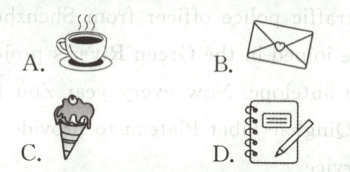
(
A. Science.
B. Culture.
C. Environment.
D. Travel.
(淄博博山区期末改编)
Every year between May and August, large groups of Tibetan antelope move from their home to another place for having baby an - telope. To get to the place, they must cross the Qinghai - Xizang Highway.
In 2004, the Green River started the Traf - fic Lights for Tibetan Antelope project. By starting the project, the environmental protec - tion group wanted to help the animals cross the highway safely.
The Green River protects the environment of the Changjiang River headwaters for over 20 years. Zou Zhuogang is a volunteer in it. He was a traffic police officer from Shenzhen be - fore. He joined in the Green River's project for Tibetan antelope. Now every year Zou travels to the Qinghai - Tibet Plateau to provide volun - tary service.
There are some nature protection stations along the Qinghai - Xizang Highway. Last month, Zou went to visit the Qinghai - Tibet Plateau. His trip started from the Golmud nature pro - tection station.
“There is a lot of rubbish (垃圾) along the way and it may pollute (污染) the Changjiang River. We started a project at the Golmud sta - tion. People can get food for picking up rub - bish,” Zou said. “To make more people join us, we also provide a special service at No. 1 Changjiang River Post Office. Visitors can get a cup of coffee for taking away a bag of rubbish to the rubbish collection (回收) centre in Gol - mud City.”
There will be more and more people pay - ing more attention to environmental protection, helping animals, and making our country a bet - ter place.
(
D
)11. Why did the Green River start a pro - ject in 2004?A. To help clean the Changjiang River.
B. To help the animals have more food.
C. To help with the heavy traffic along the highway.
D. To help Tibetan antelopes cross the highway safely.
(
B
)12. What do we know about Zou Zhuogang?A. He is a traffic police officer in Qinghai.
B. He often visits the Qinghai - Tibet Plateau.
C. He joined the Green River last year.
D. He travels to Shenzhen once a month.
(
A
)13. What can people get by taking away rub - bish to the rubbish collection centre?(
C
)14. In which part of a magazine can we read the text?A. Science.
B. Culture.
C. Environment.
D. Travel.
答案:
III.11—14 DBAC
查看更多完整答案,请扫码查看

