

 搜索
搜索
第86页
- 第1页
- 第2页
- 第3页
- 第4页
- 第5页
- 第6页
- 第7页
- 第8页
- 第9页
- 第10页
- 第11页
- 第12页
- 第13页
- 第14页
- 第15页
- 第16页
- 第17页
- 第18页
- 第19页
- 第20页
- 第21页
- 第22页
- 第23页
- 第24页
- 第25页
- 第26页
- 第27页
- 第28页
- 第29页
- 第30页
- 第31页
- 第32页
- 第33页
- 第34页
- 第35页
- 第36页
- 第37页
- 第38页
- 第39页
- 第40页
- 第41页
- 第42页
- 第43页
- 第44页
- 第45页
- 第46页
- 第47页
- 第48页
- 第49页
- 第50页
- 第51页
- 第52页
- 第53页
- 第54页
- 第55页
- 第56页
- 第57页
- 第58页
- 第59页
- 第60页
- 第61页
- 第62页
- 第63页
- 第64页
- 第65页
- 第66页
- 第67页
- 第68页
- 第69页
- 第70页
- 第71页
- 第72页
- 第73页
- 第74页
- 第75页
- 第76页
- 第77页
- 第78页
- 第79页
- 第80页
- 第81页
- 第82页
- 第83页
- 第84页
- 第85页
- 第86页
- 第87页
- 第88页
- 第89页
- 第90页
- 第91页
- 第92页
- 第93页
- 第94页
- 第95页
- 第96页
- 第97页
- 第98页
- 第99页
- 第100页
- 第101页
- 第102页
- 第103页
- 第104页
- 第105页
- 第106页
- 第107页
- 第108页
- 第109页
- 第110页
- 第111页
- 第112页
- 第113页
- 第114页
- 第115页
- 第116页
- 第117页
- 第118页
- 第119页
- 第120页
- 第121页
- 第122页
- 第123页
- 第124页
- 第125页
- 第126页
- 第127页
- 第128页
- 第129页
- 第130页
- 第131页
- 第132页
- 第133页
- 第134页
- 第135页
- 第136页
- 第137页
- 第138页
- 第139页
- 第140页
二、语法填空
阅读下面短文,在空白处填入一个适当的词,或填入括号里所给单词的正确形式。(2025·台州黄岩)
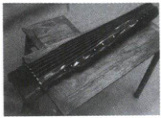
Guqin is an ancient Chinese instrument. The first guqin 16.
By 19.
Nowadays guqin may not be as popular as some other instruments, 25.
阅读下面短文,在空白处填入一个适当的词,或填入括号里所给单词的正确形式。(2025·台州黄岩)
Guqin is an ancient Chinese instrument. The first guqin 16.
was made
(make) during the Zhou Dynasty, which was over 2,000 years ago. The instrument has seven strings (弦) made of silk, and 17.its
(it) body is created from painted wood. Making a guqin is an art form 18.that/which
takes many years to be perfect.By 19.
pressing
(press) the strings, guqin can produce soft and beautiful music. One of the most famous guqin 20.players
(player) was Yu Boya, who lived more than 2,000 years ago. While playing his music in the mountains, 21.a
woodcutter named Zhong Ziqi heard it. The music made him 22.think
(think) of high mountains and flowing water. Zhong Ziqi could understand the music so 23.well
(good) that the two men became good friends. And the music “High Mountains, Flowing Water” is still played and praised 24.by
all the guqin masters now.Nowadays guqin may not be as popular as some other instruments, 25.
but
its beautiful music is still being played and enjoyed around the world.
答案:
16.was made 17.its 18.that/which 19.pressing 20.players 21.a 22.think 23.well 24.by 25.but
一、词汇运用
A. 将方框中所给词或词组的适当形式填入短文中,每词或词组仅用一次。(2025·台州黄岩)

Do you want to get better at English? Here's what you can do. First of all, listen carefully in class and 1.
A. 将方框中所给词或词组的适当形式填入短文中,每词或词组仅用一次。(2025·台州黄岩)
Do you want to get better at English? Here's what you can do. First of all, listen carefully in class and 1.
repeat
out loud. Don't keep 2.silent
in class. If you don't have many 3.chances
to speak English, you can also start English discussion groups in your free time. Besides, try to read 4.plenty of
English newspapers or books. Reading 5.widely
also helps a lot. Keep working hard, and you'll see progress in no time.
答案:
1.repeat 2.silent 3.chances 4.plenty of 5.widely
B. 阅读下面短文,根据括号内所给汉语注释写出单词的正确形式(每空一词)。(2025·杭州余杭)
Just like spoken language, body language is different from culture to culture. It is important to pay 6.
It is a way to 7.
Even the gesture (手势) for OK has different meanings in different cultures. In 11.
Some body language is very helpful. Without 13.
Just like spoken language, body language is different from culture to culture. It is important to pay 6.
attention
(关注) to the culture you are in when using body language.It is a way to 7.
express
(表达) interest by looking into someone's eyes in some countries. But in other countries, you should 8.avoid
(避免) doing that. For example, in many Middle Eastern countries, men and women are not allowed to do that in 9.public
(公开的). In Japan, when people talk to an older person, they 10.seldom/hardly
(不常,几乎不) look down.Even the gesture (手势) for OK has different meanings in different cultures. In 11.
France
(法国), people may understand it as zero, when in Japan it means money. However, in Germany, it is considered 12.impolite
(不礼貌的).Some body language is very helpful. Without 13.
doubt
(疑问), the best example is smiling. A smile can support us in difficult situations. We can use a smile to apologize, to 14.greet
(和……打招呼) others, to ask for help or to start a conversation. Experts suggest 15.anyone/anybody
(任何人) who feels upset try smiling more often.
答案:
6.attention 7.express 8.avoid 9.public 10.seldom/hardly 11.France 12.impolite 13.doubt 14.greet 15.anyone/anybody
查看更多完整答案,请扫码查看

