

 搜索
搜索
第66页
- 第1页
- 第2页
- 第3页
- 第4页
- 第5页
- 第6页
- 第7页
- 第8页
- 第9页
- 第10页
- 第11页
- 第12页
- 第13页
- 第14页
- 第15页
- 第16页
- 第17页
- 第18页
- 第19页
- 第20页
- 第21页
- 第22页
- 第23页
- 第24页
- 第25页
- 第26页
- 第27页
- 第28页
- 第29页
- 第30页
- 第31页
- 第32页
- 第33页
- 第34页
- 第35页
- 第36页
- 第37页
- 第38页
- 第39页
- 第40页
- 第41页
- 第42页
- 第43页
- 第44页
- 第45页
- 第46页
- 第47页
- 第48页
- 第49页
- 第50页
- 第51页
- 第52页
- 第53页
- 第54页
- 第55页
- 第56页
- 第57页
- 第58页
- 第59页
- 第60页
- 第61页
- 第62页
- 第63页
- 第64页
- 第65页
- 第66页
- 第67页
- 第68页
- 第69页
- 第70页
- 第71页
- 第72页
- 第73页
- 第74页
- 第75页
- 第76页
- 第77页
- 第78页
- 第79页
- 第80页
- 第81页
- 第82页
- 第83页
- 第84页
- 第85页
- 第86页
- 第87页
- 第88页
- 第89页
- 第90页
- 第91页
- 第92页
- 第93页
- 第94页
- 第95页
- 第96页
- 第97页
- 第98页
- 第99页
- 第100页
- 第101页
- 第102页
- 第103页
- 第104页
- 第105页
- 第106页
- 第107页
- 第108页
- 第109页
- 第110页
- 第111页
- 第112页
- 第113页
- 第114页
- 第115页
- 第116页
- 第117页
- 第118页
- 第119页
- 第120页
- 第121页
- 第122页
- 第123页
- 第124页
- 第125页
- 第126页
- 第127页
- 第128页
- 第129页
- 第130页
- 第131页
- 第132页
- 第133页
- 第134页
- 第135页
- 第136页
- 第137页
- 第138页
- 第139页
- 第140页
D(2025·杭州滨江)
Although experts cannot agree on everything, studies show that the ancestors of the modern guitar first appeared in history several thousand years ago. The oldest guitar-like instrument that had been found and saved belonged to an officer in Egypt in 1503 BC. This instrument had three strings and was made of beautifully polished wood. A century later, Hittite craftsmen(工匠) made a stone model showing a man playing an instrument like a guitar.
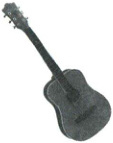
As people began to move to new areas and spread their culture, guitar instruments moved, too. Each new people group changed the design to best fit their own musical sounds. The number of strings changed, and the material used to make the instrument changed, too. People of ancient Africa, the Middle East, and Greece all played stringed instruments. The North African Moors played the *oud* and brought it to Spain around 700 AD. There, *it* probably mixed with the Greek *cithara* and the Middle Eastern *tanbour*. Out of this mix came the Spanish *guitarra*.
Names for the different stringed instruments all finally centered around the Persian word *tar*, which means “string”. The *kithara*, *chartar*, *sitar*, *guitarra*, and *guiterre* were all instruments that are similar to today's guitar. However, the modern guitar really began to take shape around the 19th century. Torres, a Spanish guitar maker, improved it so much that his design has remained almost unchanged until today.
European immigrants(移民) brought Torres's design to America, where it became popular. In fact, the guitar plays an important part in what many people consider true American music: blues, jazz, and rock and roll. The 20th century brought electric guitars and new ways of using the guitar in music. Today, the instrument remains one of the most popular in the world.
(
A. The modern guitar appeared in the 20th century in Spain. B. The earliest guitar-like instrument was found in 1503 BC. C. The number of guitar strings remains the same all the time. D. The guitar-like instrument was invented by Hittite craftsmen.
(
A. *Cithara*. B. *Tanbour*. C. *Oud*. D. *Guitarra*.
(
①Torres's design was brought to America. ②Spanish *guitarra* came out of *cithara* and *tanbour*. ③Torres improved the instrument. ④The Moors brought the *oud* to Spain.
A. ④③②① B. ①④③② C. ③①④② D. ④②③①
(
A. The value of the guitar. B. The development of the guitar. C. The inventor of the guitar. D. The famous pieces of guitar music.
Although experts cannot agree on everything, studies show that the ancestors of the modern guitar first appeared in history several thousand years ago. The oldest guitar-like instrument that had been found and saved belonged to an officer in Egypt in 1503 BC. This instrument had three strings and was made of beautifully polished wood. A century later, Hittite craftsmen(工匠) made a stone model showing a man playing an instrument like a guitar.
As people began to move to new areas and spread their culture, guitar instruments moved, too. Each new people group changed the design to best fit their own musical sounds. The number of strings changed, and the material used to make the instrument changed, too. People of ancient Africa, the Middle East, and Greece all played stringed instruments. The North African Moors played the *oud* and brought it to Spain around 700 AD. There, *it* probably mixed with the Greek *cithara* and the Middle Eastern *tanbour*. Out of this mix came the Spanish *guitarra*.
Names for the different stringed instruments all finally centered around the Persian word *tar*, which means “string”. The *kithara*, *chartar*, *sitar*, *guitarra*, and *guiterre* were all instruments that are similar to today's guitar. However, the modern guitar really began to take shape around the 19th century. Torres, a Spanish guitar maker, improved it so much that his design has remained almost unchanged until today.
European immigrants(移民) brought Torres's design to America, where it became popular. In fact, the guitar plays an important part in what many people consider true American music: blues, jazz, and rock and roll. The 20th century brought electric guitars and new ways of using the guitar in music. Today, the instrument remains one of the most popular in the world.
(
B
)27. Which of the following is TRUE according to the text?A. The modern guitar appeared in the 20th century in Spain. B. The earliest guitar-like instrument was found in 1503 BC. C. The number of guitar strings remains the same all the time. D. The guitar-like instrument was invented by Hittite craftsmen.
(
C
)28. What does the underlined word “it” in Paragraph 2 refer to?A. *Cithara*. B. *Tanbour*. C. *Oud*. D. *Guitarra*.
(
D
)29. Which is the correct order of the following events?①Torres's design was brought to America. ②Spanish *guitarra* came out of *cithara* and *tanbour*. ③Torres improved the instrument. ④The Moors brought the *oud* to Spain.
A. ④③②① B. ①④③② C. ③①④② D. ④②③①
(
B
)30. What's the text mainly about?A. The value of the guitar. B. The development of the guitar. C. The inventor of the guitar. D. The famous pieces of guitar music.
答案:
27.B 28.C 29.D 30.B
查看更多完整答案,请扫码查看

