

 搜索
搜索
2025年金版新学案高中英语选择性必修第一册人教版
注:目前有些书本章节名称可能整理的还不是很完善,但都是按照顺序排列的,请同学们按照顺序仔细查找。练习册 2025年金版新学案高中英语选择性必修第一册人教版 答案主要是用来给同学们做完题方便对答案用的,请勿直接抄袭。
第76页
- 第1页
- 第2页
- 第3页
- 第4页
- 第5页
- 第6页
- 第7页
- 第8页
- 第9页
- 第10页
- 第11页
- 第12页
- 第13页
- 第14页
- 第15页
- 第16页
- 第17页
- 第18页
- 第19页
- 第20页
- 第21页
- 第22页
- 第23页
- 第24页
- 第25页
- 第26页
- 第27页
- 第28页
- 第29页
- 第30页
- 第31页
- 第32页
- 第33页
- 第34页
- 第35页
- 第36页
- 第37页
- 第38页
- 第39页
- 第40页
- 第41页
- 第42页
- 第43页
- 第44页
- 第45页
- 第46页
- 第47页
- 第48页
- 第49页
- 第50页
- 第51页
- 第52页
- 第53页
- 第54页
- 第55页
- 第56页
- 第57页
- 第58页
- 第59页
- 第60页
- 第61页
- 第62页
- 第63页
- 第64页
- 第65页
- 第66页
- 第67页
- 第68页
- 第69页
- 第70页
- 第71页
- 第72页
- 第73页
- 第74页
- 第75页
- 第76页
- 第77页
- 第78页
- 第79页
- 第80页
- 第81页
- 第82页
- 第83页
- 第84页
- 第85页
- 第86页
- 第87页
- 第88页
- 第89页
- 第90页
- 第91页
- 第92页
- 第93页
- 第94页
- 第95页
- 第96页
- 第97页
- 第98页
- 第99页
- 第100页
1. Can you figure out what the following sign language means?
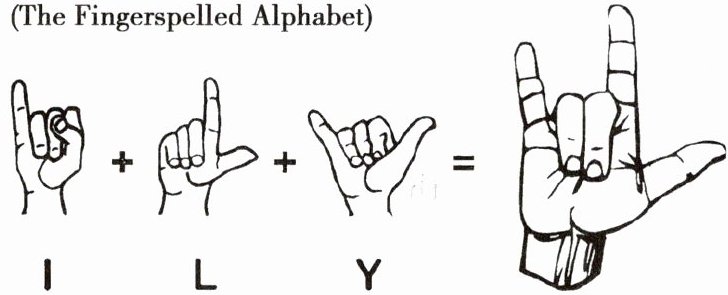
________
________
答案:
1.I love you.
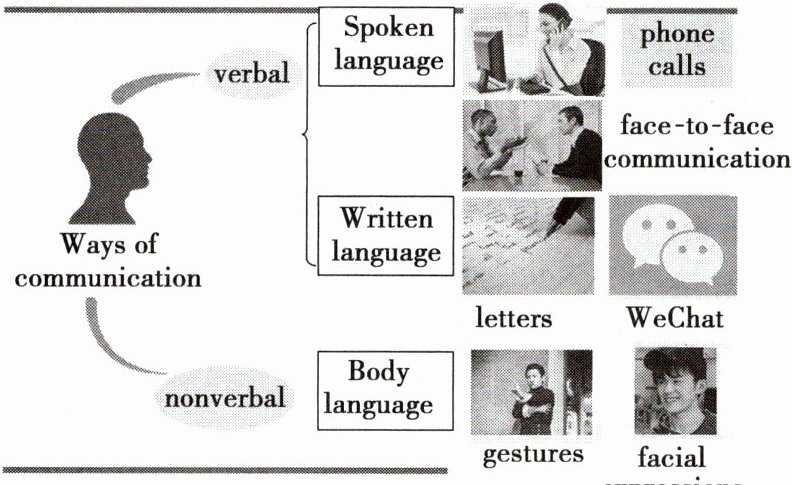
2. Look at the pictures below and talk about the ways people use to communicate.
-
________
-
________
答案:
2.There are various ways of communication, including verbal and nonverbal methods. Verbal communication involves spoken and written language, while nonverbal communication includes body language, such as facial expressions, gestures, and more. Face-to-face communication, letters, phone calls, WeChat, and facial expressions are all examples of different communication channels.
Ⅰ. Read for the main idea
What does the text mainly talk about?
A.Different cultures.
B.Spoken language.
C.Communication.
D.Body language.
What does the text mainly talk about?
A.Different cultures.
B.Spoken language.
C.Communication.
D.Body language.
答案:
Ⅰ.D
Ⅱ. Match the main idea with each paragraph
Para. 1: A. The same gesture may have different meanings in different countries.
Para. 2: B. Smiling has many different uses.
Paras. 3&4: C. Body language varies from culture to culture.
Para. 5: D. Both words and body language are of importance in interactions with others.
Para. 6: E. Some gestures seem to have the same meaning everywhere.
Para. 1: A. The same gesture may have different meanings in different countries.
Para. 2: B. Smiling has many different uses.
Paras. 3&4: C. Body language varies from culture to culture.
Para. 5: D. Both words and body language are of importance in interactions with others.
Para. 6: E. Some gestures seem to have the same meaning everywhere.
答案:
Ⅱ.Para. 1 D Para. 2 C Paras. 3&4 A Para. 5 E Para. 6 B
Ⅲ. Read for the structure
Read the passage again and fill in the blanks.
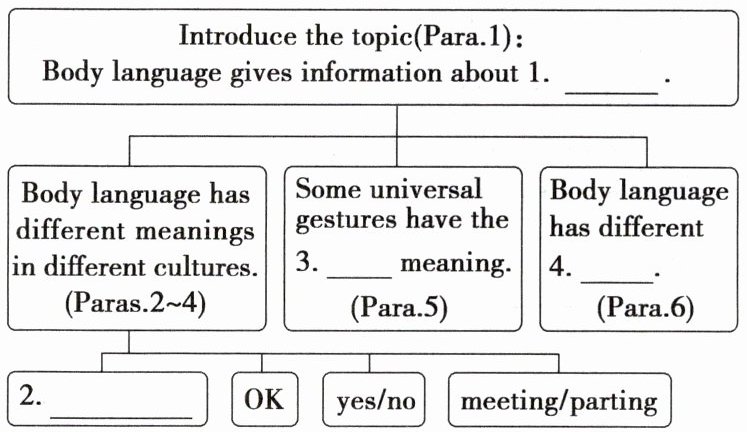
Read the passage again and fill in the blanks.
答案:
Ⅲ.1. feelings 2. eye contact 3. same 4. uses
Ⅳ. Read for details
1. What is the purpose of the second paragraph?
A. To tell us how important body language is.
B. To show an identical gesture may have different meanings in different cultures.
C. To stop men and women making eye contact while talking.
D. To remind us to look down while talking to an older person to show respect.
2. What does the gesture for “OK” mean in Japan?
A. Money.
B. Zero.
C. Politeness.
D. Respect.
3. How is the text developed?
A. By figures and data.
B. By examples and comparisons.
C. By quoting sayings.
D. By drawing conclusions.
4. In which country do people disapprove of eye contact?
A. In America.
B. In China.
C. In many Middle Eastern countries.
D. In many Asian countries.
1. What is the purpose of the second paragraph?
A. To tell us how important body language is.
B. To show an identical gesture may have different meanings in different cultures.
C. To stop men and women making eye contact while talking.
D. To remind us to look down while talking to an older person to show respect.
2. What does the gesture for “OK” mean in Japan?
A. Money.
B. Zero.
C. Politeness.
D. Respect.
3. How is the text developed?
A. By figures and data.
B. By examples and comparisons.
C. By quoting sayings.
D. By drawing conclusions.
4. In which country do people disapprove of eye contact?
A. In America.
B. In China.
C. In many Middle Eastern countries.
D. In many Asian countries.
答案:
Ⅳ.1-4 BABC
查看更多完整答案,请扫码查看

