

 搜索
搜索
第74页
- 第1页
- 第2页
- 第3页
- 第4页
- 第5页
- 第6页
- 第7页
- 第8页
- 第9页
- 第10页
- 第11页
- 第12页
- 第13页
- 第14页
- 第15页
- 第16页
- 第17页
- 第18页
- 第19页
- 第20页
- 第21页
- 第22页
- 第23页
- 第24页
- 第25页
- 第26页
- 第27页
- 第28页
- 第29页
- 第30页
- 第31页
- 第32页
- 第33页
- 第34页
- 第35页
- 第36页
- 第37页
- 第38页
- 第39页
- 第40页
- 第41页
- 第42页
- 第43页
- 第44页
- 第45页
- 第46页
- 第47页
- 第48页
- 第49页
- 第50页
- 第51页
- 第52页
- 第53页
- 第54页
- 第55页
- 第56页
- 第57页
- 第58页
- 第59页
- 第60页
- 第61页
- 第62页
- 第63页
- 第64页
- 第65页
- 第66页
- 第67页
- 第68页
- 第69页
- 第70页
- 第71页
- 第72页
- 第73页
- 第74页
- 第75页
- 第76页
- 第77页
- 第78页
- 第79页
- 第80页
- 第81页
- 第82页
- 第83页
- 第84页
- 第85页
- 第86页
- 第87页
- 第88页
- 第89页
- 第90页
四、综合填空
阅读下面短文,在空白处填入一个适当的单词或括号内单词的正确形式。
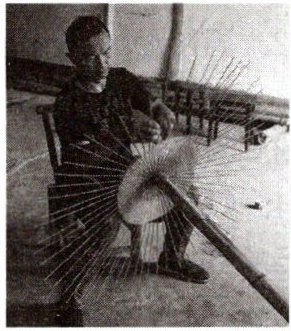
A bamboo weaver (编织工), Pan Yunfeng, in Hangzhou has amazed people after short videos of him turning thick bamboo 1 thin pieces. The videos were uploaded (上传) on 2 (society) media platforms (媒体平台) including TikTok.
He makes brushes, baskets, umbrellas 3 even bathtubs out of bamboo on TikTok. He started learning bamboo weaving at an early age and began to publish his works in 2019.
With over 4.5 million 4 (fan) on Douyin, Pan has promoted (推广) the traditional art 5 (simple) using his own bare hands. Carrying a history of 2,000 years, bamboo weaving art 6 (become) important in Chinese traditional culture. In 2008, it 7 (list) as a national intangible cultural heritage (非物质文化遗产). "Bamboo weaving has become 8 important part of my life. I will do 9 best to protect and pass on the art," Pan said.
Now, the popularity of bamboo art on TikTok has opened a window for foreign people 10 (understand) Chinese culture better.
1.
6.
阅读下面短文,在空白处填入一个适当的单词或括号内单词的正确形式。
A bamboo weaver (编织工), Pan Yunfeng, in Hangzhou has amazed people after short videos of him turning thick bamboo 1 thin pieces. The videos were uploaded (上传) on 2 (society) media platforms (媒体平台) including TikTok.
He makes brushes, baskets, umbrellas 3 even bathtubs out of bamboo on TikTok. He started learning bamboo weaving at an early age and began to publish his works in 2019.
With over 4.5 million 4 (fan) on Douyin, Pan has promoted (推广) the traditional art 5 (simple) using his own bare hands. Carrying a history of 2,000 years, bamboo weaving art 6 (become) important in Chinese traditional culture. In 2008, it 7 (list) as a national intangible cultural heritage (非物质文化遗产). "Bamboo weaving has become 8 important part of my life. I will do 9 best to protect and pass on the art," Pan said.
Now, the popularity of bamboo art on TikTok has opened a window for foreign people 10 (understand) Chinese culture better.
1.
into
2. social
3. and
4. fans
5. simply
6.
has become
7. was listed
8. an
9. my
10. to understand
答案:
1. into
2. social
3. and
4. fans
5. simply
6. has become
7. was listed
8. an
9. my
10. to understand
2. social
3. and
4. fans
5. simply
6. has become
7. was listed
8. an
9. my
10. to understand
五、完形填空
"Sesame Street" is a TV programme for children. It first appeared in New York in 1969. It is called "the longest street in the world". That's 1 the TV programme by that name can now be seen in so many parts of the world.
In the US over six million children watch the programme regularly (定期地). The 2 include more than half the nation's pre-school children. Parents love the programme. Many teachers also consider (认为) it a great help, 3 some educators are against certain things in it.
Tests show children from different 4 have benefited (受益) from watching the programme. Those who watch it five times a week learn more than those who watch it once in a while. In the US the programme is shown at 5 hours so that more children can watch it.
The programmes all use songs, stories, jokes and pictures to help children understand numbers, letters and human relationship. But there are some differences. 6, the programme made in Mexico City 7 more time to teaching whole words than to teaching letters one by one.
Why is "Sesame Street" more successful than other children's shows? There are many reasons—the good education of its producers, the support 8 the government and businesses, and the skillful use of many TV tricks. Also 9 watch it along with their children. This is partly because famous adult stars often appear on it. But the best reason may be that it makes every child feel 10 to learn. Children find themselves learning, and they want to learn more.
(
B. why
C. when
D. how
(
B. visitors
C. reporters
D. interviewers
(
B. so
C. though
D. or
(
B. cartoons
C. stories
D. backgrounds
(
B. different
C. early
D. late
(
B. As a result
C. For example
D. In all
(
B. devotes
C. spends
D. costs
(
B. with
C. about
D. from
(
B. doctors
C. volunteers
D. mothers
(
B. free
C. nervous
D. excited
"Sesame Street" is a TV programme for children. It first appeared in New York in 1969. It is called "the longest street in the world". That's 1 the TV programme by that name can now be seen in so many parts of the world.
In the US over six million children watch the programme regularly (定期地). The 2 include more than half the nation's pre-school children. Parents love the programme. Many teachers also consider (认为) it a great help, 3 some educators are against certain things in it.
Tests show children from different 4 have benefited (受益) from watching the programme. Those who watch it five times a week learn more than those who watch it once in a while. In the US the programme is shown at 5 hours so that more children can watch it.
The programmes all use songs, stories, jokes and pictures to help children understand numbers, letters and human relationship. But there are some differences. 6, the programme made in Mexico City 7 more time to teaching whole words than to teaching letters one by one.
Why is "Sesame Street" more successful than other children's shows? There are many reasons—the good education of its producers, the support 8 the government and businesses, and the skillful use of many TV tricks. Also 9 watch it along with their children. This is partly because famous adult stars often appear on it. But the best reason may be that it makes every child feel 10 to learn. Children find themselves learning, and they want to learn more.
(
A
)1. A. becauseB. why
C. when
D. how
(
A
)2. A. viewersB. visitors
C. reporters
D. interviewers
(
C
)3. A. andB. so
C. though
D. or
(
D
)4. A. filmsB. cartoons
C. stories
D. backgrounds
(
B
)5. A. sameB. different
C. early
D. late
(
C
)6. A. Till nowB. As a result
C. For example
D. In all
(
B
)7. A. donatesB. devotes
C. spends
D. costs
(
D
)8. A. forB. with
C. about
D. from
(
D
)9. A. teachersB. doctors
C. volunteers
D. mothers
(
A
)10. A. ableB. free
C. nervous
D. excited
答案:
1. A
2. A
3. C
4. D
5. B
6. C
7. B
8. D
9. D
10. A
2. A
3. C
4. D
5. B
6. C
7. B
8. D
9. D
10. A
查看更多完整答案,请扫码查看

