

 搜索
搜索
第62页
- 第1页
- 第2页
- 第3页
- 第4页
- 第5页
- 第6页
- 第7页
- 第8页
- 第9页
- 第10页
- 第11页
- 第12页
- 第13页
- 第14页
- 第15页
- 第16页
- 第17页
- 第18页
- 第19页
- 第20页
- 第21页
- 第22页
- 第23页
- 第24页
- 第25页
- 第26页
- 第27页
- 第28页
- 第29页
- 第30页
- 第31页
- 第32页
- 第33页
- 第34页
- 第35页
- 第36页
- 第37页
- 第38页
- 第39页
- 第40页
- 第41页
- 第42页
- 第43页
- 第44页
- 第45页
- 第46页
- 第47页
- 第48页
- 第49页
- 第50页
- 第51页
- 第52页
- 第53页
- 第54页
- 第55页
- 第56页
- 第57页
- 第58页
- 第59页
- 第60页
- 第61页
- 第62页
- 第63页
- 第64页
- 第65页
- 第66页
- 第67页
- 第68页
- 第69页
- 第70页
- 第71页
- 第72页
- 第73页
- 第74页
- 第75页
- 第76页
- 第77页
- 第78页
- 第79页
- 第80页
- 第81页
- 第82页
- 第83页
- 第84页
- 第85页
- 第86页
- 第87页
- 第88页
- 第89页
- 第90页
四、完成句子
1. 自她很小的时候起,就表现出对绘画的浓厚兴趣了。
She
2. 戴夫发邮件问我无锡以什么最为著名。
Dave emailed me to ask
3. 颁奖音乐一响起,Simon 就变得非常兴奋。
Simon got very excited
4. 尽管她更喜欢这座欧式风格的房子,但太贵了她买不起。
______ ______ ______ ______
5. 当自己国家首次打入世界杯决赛时,球迷们难以控制自己的情绪。
The football fans had
6. 通过中西医的成功结合已经攻克了许多疑难杂症。
Many tough diseases have been cured by
1. 自她很小的时候起,就表现出对绘画的浓厚兴趣了。
She
has showed (a) great interest in
drawing since she was very young.2. 戴夫发邮件问我无锡以什么最为著名。
Dave emailed me to ask
what Wuxi was most famous/best known for
.3. 颁奖音乐一响起,Simon 就变得非常兴奋。
Simon got very excited
as soon as the award music was played
.4. 尽管她更喜欢这座欧式风格的房子,但太贵了她买不起。
______ ______ ______ ______
Although/Though she prefers the house in a European style
, it's too expensive for her to afford.5. 当自己国家首次打入世界杯决赛时,球迷们难以控制自己的情绪。
The football fans had
difficulty/trouble (in) controlling their feelings/moods
when their own country entered the World Cup final for the first time.6. 通过中西医的成功结合已经攻克了许多疑难杂症。
Many tough diseases have been cured by
successfully bringing Chinese medicine and Western medicine together
.
答案:
1. has showed (a) great interest in 2. what Wuxi was most famous/best known for 3. as soon as the award music was played 4. Although/Though she prefers the house in a European style 5. difficulty/trouble (in) controlling their feelings/moods 6. successfully bringing Chinese medicine and Western medicine together
五、完形填空
In all the world's cultures, people sing, play instruments, and celebrate with music. It plays such an important part in our lives that people devote much time to its study. Experts(专家) are finding that because of the 1 our brains(大脑) deal with music, learning to play an instrument or just listening to music can have a large number of advantages.
Music education has 2 a lot of attention. Learning to play an instrument can help children improve Maths, science, and language 3. One study in Canada followed children's IQ scores for nine months, 4 that children who studied music had the biggest test score improvements. The secret may lie in the way reading music and playing notes(音符) uses several parts of the 5, raising may ability to learn school subjects.
Music is also used for 6 purposes, such as the treatment of diseases which influence memory. The secret lies in the way the brain deals with music. That's 7 an old song can remind you of something that happened years ago. For patients suffering from diseases like Alzheimer's, listening to music can help wake up hidden memories by building up musical pathways to memories.
Studies of the music and brain connection often centre on classical music, 8 it activates (激活) both the left and right sides of our brains. One study observed(观察) people's brain activity as they listened to music by composer William Boyce. It found that the brain activity was 9 during the short breaks(中断) between the movements of a piece. During each break, the person's brain expected what would come next, while organizing what he or she had just 10. This process(进程) is similar to the way our brain organizes information. It may explain why classical music can help improve memory.
(
B. result
C. style
D. step
(
B. given
C. received
D. collected
(
B. skills
C. points
D. talents
(
B. thinking
C. explaining
D. discovering
(
B. brain
C. head
D. heart
(
B. musical
C. personal
D. practical
(
B. when
C. why
D. what
(
B. since
C. though
D. while
(
B. best
C. lowest
D. highest
(
B. sung
C. said
D. done
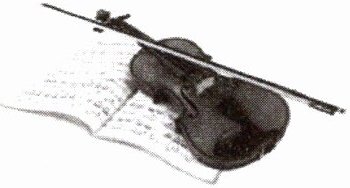
In all the world's cultures, people sing, play instruments, and celebrate with music. It plays such an important part in our lives that people devote much time to its study. Experts(专家) are finding that because of the 1 our brains(大脑) deal with music, learning to play an instrument or just listening to music can have a large number of advantages.
Music education has 2 a lot of attention. Learning to play an instrument can help children improve Maths, science, and language 3. One study in Canada followed children's IQ scores for nine months, 4 that children who studied music had the biggest test score improvements. The secret may lie in the way reading music and playing notes(音符) uses several parts of the 5, raising may ability to learn school subjects.
Music is also used for 6 purposes, such as the treatment of diseases which influence memory. The secret lies in the way the brain deals with music. That's 7 an old song can remind you of something that happened years ago. For patients suffering from diseases like Alzheimer's, listening to music can help wake up hidden memories by building up musical pathways to memories.
Studies of the music and brain connection often centre on classical music, 8 it activates (激活) both the left and right sides of our brains. One study observed(观察) people's brain activity as they listened to music by composer William Boyce. It found that the brain activity was 9 during the short breaks(中断) between the movements of a piece. During each break, the person's brain expected what would come next, while organizing what he or she had just 10. This process(进程) is similar to the way our brain organizes information. It may explain why classical music can help improve memory.
(
A
)1. A. wayB. result
C. style
D. step
(
C
)2. A. keptB. given
C. received
D. collected
(
B
)3. A. marksB. skills
C. points
D. talents
(
D
)4. A. believingB. thinking
C. explaining
D. discovering
(
B
)5. A. bodyB. brain
C. head
D. heart
(
A
)6. A. medicalB. musical
C. personal
D. practical
(
C
)7. A. howB. when
C. why
D. what
(
B
)8. A. ifB. since
C. though
D. while
(
D
)9. A. leastB. best
C. lowest
D. highest
(
A
)10. A. heardB. sung
C. said
D. done
答案:
1.A 2.C 3.B 4.D 5.B 6.A 7.C 8.B 9.D 10.A
查看更多完整答案,请扫码查看

