

 搜索
搜索
第13页
- 第1页
- 第2页
- 第3页
- 第4页
- 第5页
- 第6页
- 第7页
- 第8页
- 第9页
- 第10页
- 第11页
- 第12页
- 第13页
- 第14页
- 第15页
- 第16页
- 第17页
- 第18页
- 第19页
- 第20页
- 第21页
- 第22页
- 第23页
- 第24页
- 第25页
- 第26页
- 第27页
- 第28页
- 第29页
- 第30页
- 第31页
- 第32页
- 第33页
- 第34页
- 第35页
- 第36页
- 第37页
- 第38页
- 第39页
- 第40页
- 第41页
- 第42页
- 第43页
- 第44页
- 第45页
- 第46页
- 第47页
- 第48页
- 第49页
- 第50页
- 第51页
- 第52页
- 第53页
- 第54页
- 第55页
- 第56页
- 第57页
- 第58页
- 第59页
- 第60页
- 第61页
- 第62页
- 第63页
- 第64页
- 第65页
- 第66页
- 第67页
- 第68页
- 第69页
- 第70页
- 第71页
- 第72页
- 第73页
- 第74页
- 第75页
- 第76页
- 第77页
- 第78页
- 第79页
- 第80页
- 第81页
- 第82页
- 第83页
- 第84页
- 第85页
- 第86页
- 第87页
- 第88页
- 第89页
- 第90页
一、词汇运用
1. He said he would wait for me here. But up till now he hasn’t
2. Please put all the books back in the right
3. Your mother loves you so much. It’s wrong of you to be
4. President Xi Jinping made an important
5. I’d like to take a
6. “We must learn from Uncle Lei Feng,” said the Young
7. —Is everyone here today? —Yes, Miss Liu. No one is
8. The tools are used for
1. He said he would wait for me here. But up till now he hasn’t
appeared
yet.2. Please put all the books back in the right
order
before you leave.3. Your mother loves you so much. It’s wrong of you to be
impatient
with her.4. President Xi Jinping made an important
speech
at the celebrating meeting.5. I’d like to take a
high-speed
train to Nanjing instead of an ordinary one.6. “We must learn from Uncle Lei Feng,” said the Young
Pioneer
.7. —Is everyone here today? —Yes, Miss Liu. No one is
absent
.8. The tools are used for
shaping
wood.
答案:
1. appeared
2. order
3. impatient
4. speech
5. high-speed
6. Pioneer
7. absent
8. shaping
2. order
3. impatient
4. speech
5. high-speed
6. Pioneer
7. absent
8. shaping
(
A.How a high
B.How high
C.What a high
D.What high
D
)1. ______ praise the doctor won from his patients!A.How a high
B.How high
C.What a high
D.What high
答案:
D
(
A.recommended
B.challenged
C.impressed
D.praised
A
)2. If you want to keep healthy, going to bed early and getting up early is highly ______.A.recommended
B.challenged
C.impressed
D.praised
答案:
A
(
A.gets off
B.takes off
C.shows off
D.turns off
C
)3. —Who’s the most modest boy in your class? —Daniel. He never ______ in public.A.gets off
B.takes off
C.shows off
D.turns off
答案:
C
(
A.can
B.should
C.must
D.need
A
)4. According to the notice, guests at this hotel ______ use the sports center at no extra cost.A.can
B.should
C.must
D.need
答案:
A
(
A.living
B.live
C.lively
D.alive
C
)5. The railway station near my home was noisy but ______ in my eyes.A.living
B.live
C.lively
D.alive
答案:
C
(
A.both; and
B.either; or
C.neither; nor
D.not only; but also
B
)6. —Where are you going to stay when you get to Shanghai? —I may live ______ in a hotel ______ in a friend’s house.A.both; and
B.either; or
C.neither; nor
D.not only; but also
答案:
B
(
A.impresses; for
B.is impressed; for
C.impresses; with
D.is impressed; with
C
)7. The West Lake in Hangzhou ______ the world ______ its beauty.A.impresses; for
B.is impressed; for
C.impresses; with
D.is impressed; with
答案:
C
(
A.Sounds great!
B.What a pity!
C.What for?
D.Are you serious?
D
)8. —I’ve decided to give up my job, Mum. —______ You’d better think twice.A.Sounds great!
B.What a pity!
C.What for?
D.Are you serious?
答案:
D
三、完成句子
1. 如果你们同意我的看法,请举手。
If you
2. 她不够自信在全班面前做演讲。
She is not
3. 假期中家长再怎么关注孩子们的安全都不为过。
Parents
4. 孩子的成长与家庭教育息息相关。
A child’s growth
5. 为更好地解决全球气候变暖问题,发达国家需要带头而非缺席。
In order to solve the problem of global warming better, developed countries need to
1. 如果你们同意我的看法,请举手。
If you
agree with me
, please raise your hand.2. 她不够自信在全班面前做演讲。
She is not
confident enough to make a speech in front of/before
to give a speech in front of her classmates.3. 假期中家长再怎么关注孩子们的安全都不为过。
Parents
can't/can never pay too much attention to
their children’s safety during holidays.4. 孩子的成长与家庭教育息息相关。
A child’s growth
is closely connected with/to
his family education.5. 为更好地解决全球气候变暖问题,发达国家需要带头而非缺席。
In order to solve the problem of global warming better, developed countries need to
take the lead instead of being absent
.
答案:
1. agree with me
2. confident enough to make a speech in front of/before
3. can't/can never pay too much attention to
4. is closely connected with/to
5. take the lead instead of being absent
2. confident enough to make a speech in front of/before
3. can't/can never pay too much attention to
4. is closely connected with/to
5. take the lead instead of being absent
四、阅读理解
If you are reading this, you were probably born in the 2000s. The oh-ohs. The 21st century. That would make you young, creative, connected, global, and no doubt(怀疑) smart. Maybe good-looking, too. Right? But what do other people think about your generation(一代)?
Some adults worry that you’re more interested in the screen in front of you than the world around you. They think of you as the “face-down generation” because you use your phone so much and they wonder how you will deal with school, friends, and family. Are today’s teenagers too busy texting and taking selfies(自拍) to become successful in real life, as you would say?
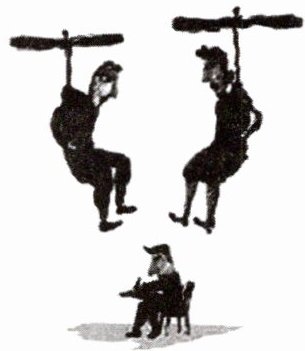
Other adults worry that today’s youth are spoilt(宠坏的) and don’t want to face the challenges of adult life. Many children born in the 1990s and 2000s were raised by “helicopter parents”, who were always there to guide and help their children with a busy schedule filled with homework and after-class activities such as dancing, drawing, or sports. With parents who do everything for them, today’s youth seem to live like teenagers even when they are in their 20s or 30s.
Does the face-down generation need a heads-up? Well, possibly not. The fact is that many of today’s teenagers are better educated and more creative than past generations. They seem to be willing to become leaders. More young people than ever volunteer to help their communities. There are also brave young people such as Malala Yousafzai, the teenager who won the 2014 Nobel Peace Prize for pushing girls’ rights to go to school.
So if you’re one of the oh-ohs, there are reasons to be hopeful about the future. Things are looking up for the face-down generation. Chances are that you will do GR8 (great) and LOL (laugh out loud).
(
A. Parents who help children to face the challenges.
B. Parents who always watch over their children.
C. Parents who have a very busy schedule.
D. Parents who only turn up when necessary.
(
A. Early warning. B. Warm welcome. C. Good medicine. D. Strong support.
(
A. The writer is one of the oh-ohs. B. Oh-ohs will spend less time on phones.
C. Oh-ohs may have a bright future. D. Oh-ohs will meet more challenges than adults.
(
A. The “helicopter parents” B. The over-worried parents
C. The spoilt generation D. The face-down generation
If you are reading this, you were probably born in the 2000s. The oh-ohs. The 21st century. That would make you young, creative, connected, global, and no doubt(怀疑) smart. Maybe good-looking, too. Right? But what do other people think about your generation(一代)?
Some adults worry that you’re more interested in the screen in front of you than the world around you. They think of you as the “face-down generation” because you use your phone so much and they wonder how you will deal with school, friends, and family. Are today’s teenagers too busy texting and taking selfies(自拍) to become successful in real life, as you would say?
Other adults worry that today’s youth are spoilt(宠坏的) and don’t want to face the challenges of adult life. Many children born in the 1990s and 2000s were raised by “helicopter parents”, who were always there to guide and help their children with a busy schedule filled with homework and after-class activities such as dancing, drawing, or sports. With parents who do everything for them, today’s youth seem to live like teenagers even when they are in their 20s or 30s.
Does the face-down generation need a heads-up? Well, possibly not. The fact is that many of today’s teenagers are better educated and more creative than past generations. They seem to be willing to become leaders. More young people than ever volunteer to help their communities. There are also brave young people such as Malala Yousafzai, the teenager who won the 2014 Nobel Peace Prize for pushing girls’ rights to go to school.
So if you’re one of the oh-ohs, there are reasons to be hopeful about the future. Things are looking up for the face-down generation. Chances are that you will do GR8 (great) and LOL (laugh out loud).
(
B
)1. What does the term “helicopter parents” refer to in Paragraph 3?A. Parents who help children to face the challenges.
B. Parents who always watch over their children.
C. Parents who have a very busy schedule.
D. Parents who only turn up when necessary.
(
A
)2. What does the underlined word “heads-up” in Paragraph 4 mean?A. Early warning. B. Warm welcome. C. Good medicine. D. Strong support.
(
C
)3. What can we infer from the passage?A. The writer is one of the oh-ohs. B. Oh-ohs will spend less time on phones.
C. Oh-ohs may have a bright future. D. Oh-ohs will meet more challenges than adults.
(
D
)4. What would be the best title for the passage?A. The “helicopter parents” B. The over-worried parents
C. The spoilt generation D. The face-down generation
答案:
1. B
2. A
3. C
4. D
2. A
3. C
4. D
查看更多完整答案,请扫码查看

