

 搜索
搜索
第19页
- 第1页
- 第2页
- 第3页
- 第4页
- 第5页
- 第6页
- 第7页
- 第8页
- 第9页
- 第10页
- 第11页
- 第12页
- 第13页
- 第14页
- 第15页
- 第16页
- 第17页
- 第18页
- 第19页
- 第20页
- 第21页
- 第22页
- 第23页
- 第24页
- 第25页
- 第26页
- 第27页
- 第28页
- 第29页
- 第30页
- 第31页
- 第32页
- 第33页
- 第34页
- 第35页
- 第36页
- 第37页
- 第38页
- 第39页
- 第40页
- 第41页
- 第42页
- 第43页
- 第44页
- 第45页
- 第46页
- 第47页
- 第48页
- 第49页
- 第50页
- 第51页
- 第52页
- 第53页
- 第54页
- 第55页
- 第56页
- 第57页
- 第58页
- 第59页
- 第60页
- 第61页
- 第62页
- 第63页
- 第64页
- 第65页
- 第66页
- 第67页
- 第68页
- 第69页
- 第70页
- 第71页
- 第72页
- 第73页
- 第74页
- 第75页
- 第76页
- 第77页
- 第78页
- 第79页
- 第80页
- 第81页
- 第82页
- 第83页
- 第84页
- 第85页
- 第86页
- 第87页
一、听录音,选出你所听到的内容。(10 分,听两遍)
( ) 1. A. them
B. turn
C. then
( ) 2. A. phone
B. airplane
C. telephone
( ) 3. A. use
B. news
C. new
( ) 4. A. from the shop
B. in the office
C. from the newspapers
( ) 5. A. make a sentence
B. get angry
C. wait for the answer
( ) 6. A.
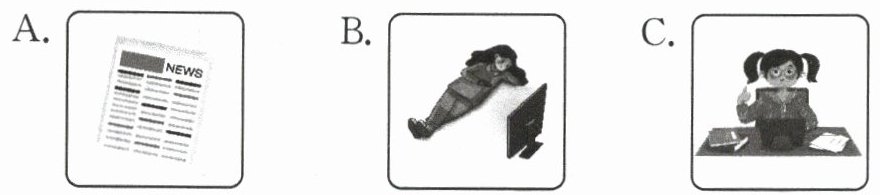
B.
C.
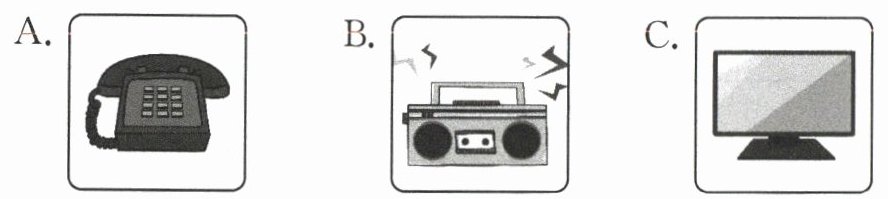
( ) 7. A.
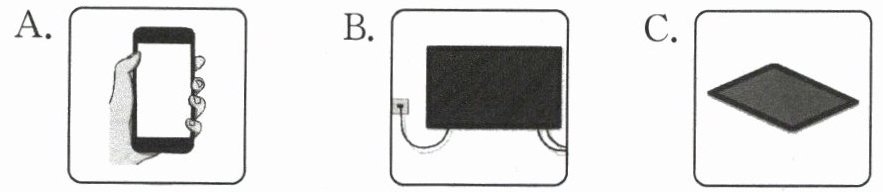
B.
C.
( ) 8. A.
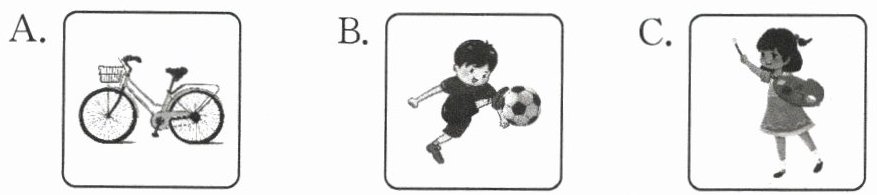
B.
C.
( ) 9. A.
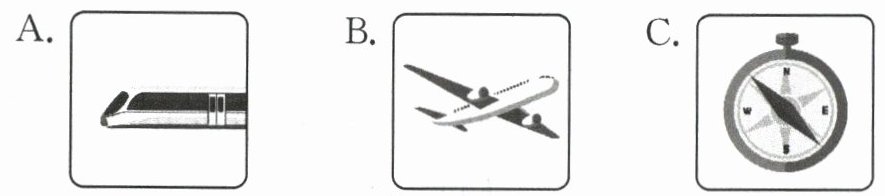
B.
C.
( )10. A.
B.
C.
( ) 1. A. them
B. turn
C. then
( ) 2. A. phone
B. airplane
C. telephone
( ) 3. A. use
B. news
C. new
( ) 4. A. from the shop
B. in the office
C. from the newspapers
( ) 5. A. make a sentence
B. get angry
C. wait for the answer
( ) 6. A.
B.
C.
( ) 7. A.
B.
C.
( ) 8. A.
B.
C.
( ) 9. A.
B.
C.
( )10. A.
B.
C.
答案:
无法确定
二、听录音,选出最佳应答语。(5 分,听两遍)
( ) 1. A. I can walk.
B. I couldn't either.
C. I could read.
( ) 2. A. She likes singing and dancing.
B. She does shopping on the Internet.
C. She listened to the radio for news.
( ) 3. A. Tom did.
B. Tim could.
C. Kimi was.
( ) 4. A. It was Sunday.
B. It was great fun.
C. It was sunny.
( ) 5. A. It is on the table.
B. It was on the sofa.
C. It isn't there.
( ) 1. A. I can walk.
B. I couldn't either.
C. I could read.
( ) 2. A. She likes singing and dancing.
B. She does shopping on the Internet.
C. She listened to the radio for news.
( ) 3. A. Tom did.
B. Tim could.
C. Kimi was.
( ) 4. A. It was Sunday.
B. It was great fun.
C. It was sunny.
( ) 5. A. It is on the table.
B. It was on the sofa.
C. It isn't there.
答案:
由于没有提供录音内容,无法直接根据听力信息选出最佳应答语。此类题目通常需要根据听到的问题来选择合适的回答。以下是对各题选项的一般性分析,供参考:
1. 若问题是关于过去的能力(如"What could you do then?"),C选项“I could read.”可能合适;若问题是“Could you...?”且是否定回答,B选项“I couldn't either.”可能合适;A选项“I can walk.”是现在的能力。
2. A选项关于爱好,B选项关于现在的行为,C选项关于过去获取新闻的方式(听收音机)。若问题是过去的行为,C可能合适。
3. A选项“Tom did.”用于回答“Who did...?”;B选项“Tim could.”用于回答“Who could...?”;C选项“Kimi was.”用于回答“Who was...?”。
4. A选项回答星期,B选项回答感受,C选项回答天气。若问题是“How was your weekend?”,B选项可能合适;若问天气,C合适;若问星期几,A合适。
5. A选项是一般现在时,B选项是一般过去时,C选项是否定句。若问题是过去的位置,B选项合适;若是现在的位置,A合适。
由于缺乏录音关键信息,无法准确给出答案。建议在实际答题时,仔细听录音中的问题,根据问题的时态、疑问词等选择对应的应答语。
(注:实际考试中,需根据听到的具体问题选择答案。以上仅为基于选项的推测分析。)
1. 若问题是关于过去的能力(如"What could you do then?"),C选项“I could read.”可能合适;若问题是“Could you...?”且是否定回答,B选项“I couldn't either.”可能合适;A选项“I can walk.”是现在的能力。
2. A选项关于爱好,B选项关于现在的行为,C选项关于过去获取新闻的方式(听收音机)。若问题是过去的行为,C可能合适。
3. A选项“Tom did.”用于回答“Who did...?”;B选项“Tim could.”用于回答“Who could...?”;C选项“Kimi was.”用于回答“Who was...?”。
4. A选项回答星期,B选项回答感受,C选项回答天气。若问题是“How was your weekend?”,B选项可能合适;若问天气,C合适;若问星期几,A合适。
5. A选项是一般现在时,B选项是一般过去时,C选项是否定句。若问题是过去的位置,B选项合适;若是现在的位置,A合适。
由于缺乏录音关键信息,无法准确给出答案。建议在实际答题时,仔细听录音中的问题,根据问题的时态、疑问词等选择对应的应答语。
(注:实际考试中,需根据听到的具体问题选择答案。以上仅为基于选项的推测分析。)
查看更多完整答案,请扫码查看

