

 搜索
搜索
第60页
- 第1页
- 第2页
- 第3页
- 第4页
- 第5页
- 第6页
- 第7页
- 第8页
- 第9页
- 第10页
- 第11页
- 第12页
- 第13页
- 第14页
- 第15页
- 第16页
- 第17页
- 第18页
- 第19页
- 第20页
- 第21页
- 第22页
- 第23页
- 第24页
- 第25页
- 第26页
- 第27页
- 第28页
- 第29页
- 第30页
- 第31页
- 第32页
- 第33页
- 第34页
- 第35页
- 第36页
- 第37页
- 第38页
- 第39页
- 第40页
- 第41页
- 第42页
- 第43页
- 第44页
- 第45页
- 第46页
- 第47页
- 第48页
- 第49页
- 第50页
- 第51页
- 第52页
- 第53页
- 第54页
- 第55页
- 第56页
- 第57页
- 第58页
- 第59页
- 第60页
- 第61页
- 第62页
- 第63页
- 第64页
- 第65页
- 第66页
- 第67页
- 第68页
- 第69页
- 第70页
- 第71页
- 第72页
- 第73页
- 第74页
- 第75页
- 第76页
- 第77页
- 第78页
- 第79页
- 第80页
- Recently, I asked a seeing friend who had just walked in the woods what she had noticed. “Nothing special,” she replied.
How was it possible, I asked myself, to walk through the woods and see nothing worthy of note? I who cannot see find hundreds of things to interest me only through touch. If I can get so much pleasure from touch, how much more beauty must be found by sight(视力)? And I have imagined what I should most like to see if I were given the use of my eyes for just three days.
On the first day, I should want to see the people who have made my life worth living and the books which have been read to me. In the afternoon, I should take a walk in the woods and admire the beauties of nature. That night, I should not be able to sleep.
On my second day, I should go to the museums to see man’s progress. I should try to explore the spirit of man through his art. In the evening, I should spend at the movies.
The following day, I should spend in the world of common people going about the business of life. At midnight permanent(永久的)night would close in on me again, and I should realise how much I had left unseen.
I who am blind can give one suggestion to those who see:Use your eyes as if tomorrow you would be blind. The same is true of other senses. Hear the songs of birds, as if you would be deaf tomorrow. Smell the flowers, as if tomorrow you could never smell again…But of all the senses, I’m sure that sight must be the most pleasant.
(Adapted from Three Days to See by Helen Keller)
1. What does the writer want to do during the three days?
A. Read books to people on the first day.
B. Go to the museums on the second day.
C. Succeed in business on the third day.
D. Have a wonderful dream every day.
2. What does the last paragraph mainly talk about?
A. A description of different senses.
B. A method of living a pleasant life.
C. Encouragement to the blind people.
D. Advice to people without disabilities.
3. Which is the best structure(结构)of the passage?(① = Paragraph 1, ② = Paragraph 2, …)
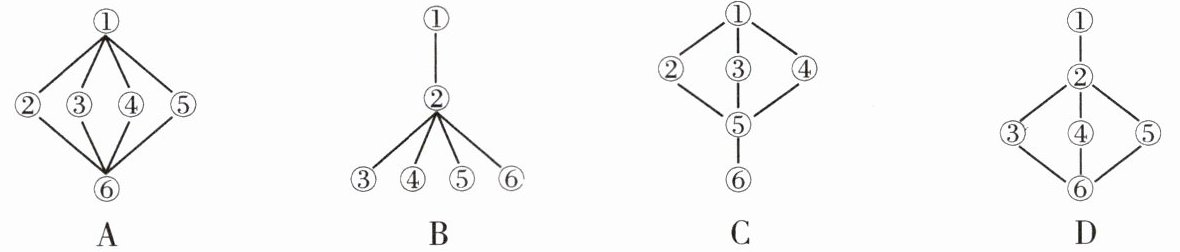
4. Which of the following sayings may the writer agree with?
A. Time is what we want most, but what we use worst.
B. Never leave until tomorrow what you can do today.
C. Live every moment and be thankful for what you have.
D. The future belongs to those who are preparing for it now.
How was it possible, I asked myself, to walk through the woods and see nothing worthy of note? I who cannot see find hundreds of things to interest me only through touch. If I can get so much pleasure from touch, how much more beauty must be found by sight(视力)? And I have imagined what I should most like to see if I were given the use of my eyes for just three days.
On the first day, I should want to see the people who have made my life worth living and the books which have been read to me. In the afternoon, I should take a walk in the woods and admire the beauties of nature. That night, I should not be able to sleep.
On my second day, I should go to the museums to see man’s progress. I should try to explore the spirit of man through his art. In the evening, I should spend at the movies.
The following day, I should spend in the world of common people going about the business of life. At midnight permanent(永久的)night would close in on me again, and I should realise how much I had left unseen.
I who am blind can give one suggestion to those who see:Use your eyes as if tomorrow you would be blind. The same is true of other senses. Hear the songs of birds, as if you would be deaf tomorrow. Smell the flowers, as if tomorrow you could never smell again…But of all the senses, I’m sure that sight must be the most pleasant.
(Adapted from Three Days to See by Helen Keller)
1. What does the writer want to do during the three days?
A. Read books to people on the first day.
B. Go to the museums on the second day.
C. Succeed in business on the third day.
D. Have a wonderful dream every day.
2. What does the last paragraph mainly talk about?
A. A description of different senses.
B. A method of living a pleasant life.
C. Encouragement to the blind people.
D. Advice to people without disabilities.
3. Which is the best structure(结构)of the passage?(① = Paragraph 1, ② = Paragraph 2, …)
4. Which of the following sayings may the writer agree with?
A. Time is what we want most, but what we use worst.
B. Never leave until tomorrow what you can do today.
C. Live every moment and be thankful for what you have.
D. The future belongs to those who are preparing for it now.
答案:
1~4 BDDC
查看更多完整答案,请扫码查看

