

 搜索
搜索
第25页
- 第1页
- 第2页
- 第3页
- 第4页
- 第5页
- 第6页
- 第7页
- 第8页
- 第9页
- 第10页
- 第11页
- 第12页
- 第13页
- 第14页
- 第15页
- 第16页
- 第17页
- 第18页
- 第19页
- 第20页
- 第21页
- 第22页
- 第23页
- 第24页
- 第25页
- 第26页
- 第27页
- 第28页
- 第29页
- 第30页
- 第31页
- 第32页
- 第33页
- 第34页
- 第35页
- 第36页
- 第37页
- 第38页
- 第39页
- 第40页
- 第41页
- 第42页
- 第43页
- 第44页
- 第45页
- 第46页
- 第47页
- 第48页
- 第49页
- 第50页
- 第51页
- 第52页
- 第53页
- 第54页
- 第55页
- 第56页
- 第57页
- 第58页
- 第59页
- 第60页
- 第61页
- 第62页
- 第63页
- 第64页
- 第65页
- 第66页
- 第67页
- 第68页
- 第69页
- 第70页
- 第71页
- 第72页
- 第73页
- 第74页
- 第75页
- 第76页
- 第77页
- 第78页
- 第79页
- 第80页
- 第81页
- 第82页
- 第83页
- 第84页
- 第85页
- 第86页
- 第87页
- 第88页
- 第89页
- 第90页
- 第91页
- 第92页
- 第93页
- 第94页
- 第95页
- 第96页
- 第97页
- 第98页
- 第99页
- 第100页
- 第101页
- 第102页
- 第103页
- 第104页
- 第105页
- 第106页
- 第107页
- 第108页
- 第109页
- 第110页
- 第111页
- 第112页
- 第113页
- 第114页
- 第115页
- 第116页
- 第117页
- 第118页
- 第119页
- 第120页
- 第121页
- 第122页
- 第123页
- 第124页
- 第125页
- 第126页
- 第127页
- 第128页
- 第129页
- 第130页
- 第131页
- 第132页
Ⅴ.七选五,补对话。
A. Can I walk there?
B. How far is it from here?
C. It's next to the building of Dazhou TV station.
D. It's on Jinlong Road.
E. It's opposite the building of Dazhou TV station.
F. Perhaps at 8 p. m.
G. How can I get there?
A: Excuse me, do you know where the Dazhou Museum is?
B: Sure. 1.
A: Could you tell me how to go there?
B: Certainly. Go along this street and turn right at the third turning. Then walk until you see the building of Dazhou TV station. 2.
A: Oh, you mean it's across from the building of Dazhou TV station?
B: Exactly.
A: 3.
B: Two kilometers.
A: 4.
B: No. You'd better take a taxi. It's fast and convenient.
A: Great! Oh, and one more thing. What time does the museum close?
B: 5.
A: Thank you very much.
B: You're welcome.
A. Can I walk there?
B. How far is it from here?
C. It's next to the building of Dazhou TV station.
D. It's on Jinlong Road.
E. It's opposite the building of Dazhou TV station.
F. Perhaps at 8 p. m.
G. How can I get there?
A: Excuse me, do you know where the Dazhou Museum is?
B: Sure. 1.
D
A: Could you tell me how to go there?
B: Certainly. Go along this street and turn right at the third turning. Then walk until you see the building of Dazhou TV station. 2.
E
A: Oh, you mean it's across from the building of Dazhou TV station?
B: Exactly.
A: 3.
B
B: Two kilometers.
A: 4.
A
B: No. You'd better take a taxi. It's fast and convenient.
A: Great! Oh, and one more thing. What time does the museum close?
B: 5.
F
You'd better ask for the detailed information in the museum.A: Thank you very much.
B: You're welcome.
答案:
1.D 2.E 3.B 4.A 5.F
Ⅵ.阅读理解。
Imagine you live in a smart city. Everything you need—schools, cinemas and parks—is all within a 10-minute walk. Many countries around the world are carrying out ideas similar to “10-minute city”. They have either come up with plans or have made it a reality.
China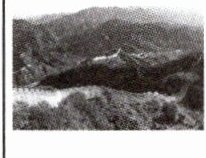
The idea of a “15-minute city” has been realized in China. In July, Zhangyan Village built a “happy community”. The community is a 1,500-square meter area with a cafeteria, an entertainment center, a health center, a post office, and a restroom. All are within a 15-minute walk. According to online magazine Sixth Tone, the city plans to make such communities for nearly 99 percent of locals by 2035. Other places are following this step. Thirty cities across the country will try out the idea of 15-minute communities in the future.
France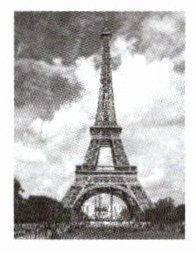
Anne Hidalgo is the mayor (市长) of Paris. She wants to turn Paris into a 15-minute city. City travel is a key of the plan. In 2020, Paris built 60 km of temporary (临时的) cycle paths. Now people can use those paths forever. Under her plan, Paris will get rid of (消除) 72 percent of its on-street parking spaces for cars. Green spaces, gardens and playgrounds will replace them. The city will turn busy crossings into squares as well.
The USA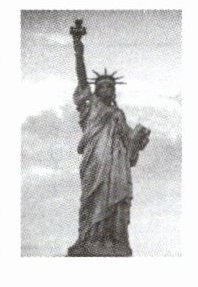
Portland, a city in the state of Oregon, hopes to make 20-minute neighborhoods. People can reach places and services such as schools and parks by walking or biking for 20 minutes or less. According to the plan, about 11 percent of the city will be 20-minute neighborhoods. There will be more sidewalks (人行道) and greenway for bikes to ride.
1. You can find the following EXCEPT ______ in the community in Zhangyan Village in China.
A. a cafeteria
B. a school
C. a post office
D. a restroom
2. How many cities across China will try out the idea of 15-minute communities in the future?
A. 99.
B. 15.
C. 30.
D. 13.
3. Why does the mayor of Paris plan to get rid of 72 percent of on-street parking spaces for cars?
A. She wants to turn Paris into a 15-minute city.
B. The city will turn them into squares.
C. Green spaces, gardens and playgrounds will take the place of them.
D. Paris will build 60 km of temporary cycle paths.
4. It can take people ______ in Portland to get to schools and parks.
A. 20 minutes by car
B. 20 minutes on foot
C. more than 20 minutes by bike
D. 60 minutes by subway
5. Where is this passage most probably from?
A. In a science book.
B. In a travel guide.
C. In a picture book.
D. In a school magazine.
Imagine you live in a smart city. Everything you need—schools, cinemas and parks—is all within a 10-minute walk. Many countries around the world are carrying out ideas similar to “10-minute city”. They have either come up with plans or have made it a reality.
China
The idea of a “15-minute city” has been realized in China. In July, Zhangyan Village built a “happy community”. The community is a 1,500-square meter area with a cafeteria, an entertainment center, a health center, a post office, and a restroom. All are within a 15-minute walk. According to online magazine Sixth Tone, the city plans to make such communities for nearly 99 percent of locals by 2035. Other places are following this step. Thirty cities across the country will try out the idea of 15-minute communities in the future.
France
Anne Hidalgo is the mayor (市长) of Paris. She wants to turn Paris into a 15-minute city. City travel is a key of the plan. In 2020, Paris built 60 km of temporary (临时的) cycle paths. Now people can use those paths forever. Under her plan, Paris will get rid of (消除) 72 percent of its on-street parking spaces for cars. Green spaces, gardens and playgrounds will replace them. The city will turn busy crossings into squares as well.
The USA
Portland, a city in the state of Oregon, hopes to make 20-minute neighborhoods. People can reach places and services such as schools and parks by walking or biking for 20 minutes or less. According to the plan, about 11 percent of the city will be 20-minute neighborhoods. There will be more sidewalks (人行道) and greenway for bikes to ride.
1. You can find the following EXCEPT ______ in the community in Zhangyan Village in China.
A. a cafeteria
B. a school
C. a post office
D. a restroom
2. How many cities across China will try out the idea of 15-minute communities in the future?
A. 99.
B. 15.
C. 30.
D. 13.
3. Why does the mayor of Paris plan to get rid of 72 percent of on-street parking spaces for cars?
A. She wants to turn Paris into a 15-minute city.
B. The city will turn them into squares.
C. Green spaces, gardens and playgrounds will take the place of them.
D. Paris will build 60 km of temporary cycle paths.
4. It can take people ______ in Portland to get to schools and parks.
A. 20 minutes by car
B. 20 minutes on foot
C. more than 20 minutes by bike
D. 60 minutes by subway
5. Where is this passage most probably from?
A. In a science book.
B. In a travel guide.
C. In a picture book.
D. In a school magazine.
答案:
1.B 2.C 3.C 4.B 5.B
查看更多完整答案,请扫码查看

