

 搜索
搜索
第18页
- 第1页
- 第2页
- 第3页
- 第4页
- 第5页
- 第6页
- 第7页
- 第8页
- 第9页
- 第10页
- 第11页
- 第12页
- 第13页
- 第14页
- 第15页
- 第16页
- 第17页
- 第18页
- 第19页
- 第20页
- 第21页
- 第22页
- 第23页
- 第24页
- 第25页
- 第26页
- 第27页
- 第28页
- 第29页
- 第30页
- 第31页
- 第32页
- 第33页
- 第34页
- 第35页
- 第36页
- 第37页
- 第38页
- 第39页
- 第40页
- 第41页
- 第42页
- 第43页
- 第44页
- 第45页
- 第46页
- 第47页
- 第48页
- 第49页
- 第50页
- 第51页
- 第52页
- 第53页
- 第54页
- 第55页
- 第56页
- 第57页
- 第58页
- 第59页
- 第60页
- 第61页
- 第62页
- 第63页
- 第64页
- 第65页
- 第66页
- 第67页
- 第68页
- 第69页
- 第70页
- 第71页
- 第72页
- 第73页
- 第74页
- 第75页
- 第76页
- 第77页
- 第78页
- 第79页
- 第80页
- 第81页
- 第82页
- 第83页
- 第84页
- 第85页
- 第86页
- 第87页
1. ______ of us helps our team to win the basketball match.
A.All
B.Both
C.Every
D.Each
D
A.All
B.Both
C.Every
D.Each
答案:
D
2. —Do you often ______ your daughter?
—Yes. She usually tells about her school
life in the emails.
A.look at
B.hear from
C.listen to
D.stay with
—Yes. She usually tells about her school
life in the emails.
B
A.look at
B.hear from
C.listen to
D.stay with
答案:
【解析】:
这是一道英语词汇辨析题,主要考查学生对短语动词的理解和运用。题目给出了一个对话场景,其中一方询问是否经常做某事与女儿相关,另一方回答女儿通常会在电子邮件中讲述她的学校生活。我们需要从四个选项中选择一个最符合语境的短语动词。
A. look at 通常表示“看”,与对话中的电子邮件交流不符。
B. hear from 表示“收到某人的来信”,与对话中提到的电子邮件交流相符,因为电子邮件是一种书面通信方式,可以视为“信”。
C. listen to 表示“听”,与对话中的电子邮件交流不符。
D. stay with 表示“和某人呆在一起”,同样与对话中的电子邮件交流不符。
根据对话内容和短语动词的含义,我们可以确定正确答案是B,即“hear from”。
【答案】:
B
这是一道英语词汇辨析题,主要考查学生对短语动词的理解和运用。题目给出了一个对话场景,其中一方询问是否经常做某事与女儿相关,另一方回答女儿通常会在电子邮件中讲述她的学校生活。我们需要从四个选项中选择一个最符合语境的短语动词。
A. look at 通常表示“看”,与对话中的电子邮件交流不符。
B. hear from 表示“收到某人的来信”,与对话中提到的电子邮件交流相符,因为电子邮件是一种书面通信方式,可以视为“信”。
C. listen to 表示“听”,与对话中的电子邮件交流不符。
D. stay with 表示“和某人呆在一起”,同样与对话中的电子邮件交流不符。
根据对话内容和短语动词的含义,我们可以确定正确答案是B,即“hear from”。
【答案】:
B
3. My father always rides a bike home. Riding
bikes is good
city clean.
A.lesson
B.game
C.exercise
D.match
bikes is good
C
and it can make thecity clean.
A.lesson
B.game
C.exercise
D.match
答案:
【解析】:这是一道英语选择题,考查的是对词义的理解以及上下文语境的应用。题目描述了“我父亲总是骑自行车回家”,接着提到“骑自行车是好的_____,并且它可以使城市保持清洁”。我们需要从四个选项中选择一个最符合语境的词。
A. lesson 意为“课程”,与骑自行车无直接关联;
B. game 意为“游戏”,同样与骑自行车无直接联系;
C. exercise 意为“锻炼”,骑自行车是一种身体活动,可以锻炼身体,符合语境;
D. match 意为“比赛”,与骑自行车无直接关联。
根据上下文,最合适的选项是C,因为骑自行车确实是一种好的锻炼方式。
【答案】:C
A. lesson 意为“课程”,与骑自行车无直接关联;
B. game 意为“游戏”,同样与骑自行车无直接联系;
C. exercise 意为“锻炼”,骑自行车是一种身体活动,可以锻炼身体,符合语境;
D. match 意为“比赛”,与骑自行车无直接关联。
根据上下文,最合适的选项是C,因为骑自行车确实是一种好的锻炼方式。
【答案】:C
4. Jim doesn’t like to talk to people, so he has
A.few
B.a few
C.little
D.a little
A
friends.A.few
B.a few
C.little
D.a little
答案:
【解析】:这是一道英语选择题,考查的是形容词辨析及语义理解。题目描述了Jim不喜欢与人交谈,因此他拥有的朋友数量应该是很少的。我们需要从四个选项中选择一个最符合题意的形容词来描述Jim的朋友数量。
A. few表示“很少,几乎没有”,用于可数名词前,符合题意,因为Jim不喜欢与人交谈,所以他应该几乎没有朋友。
B. a few表示“一些”,用于可数名词前,与题意不符。
C. little表示“很少,几乎没有”,但用于不可数名词前,而friends是可数名词,所以不符合题意。
D. a little表示“一些”,用于不可数名词前,同样不符合题意。
【答案】:A
A. few表示“很少,几乎没有”,用于可数名词前,符合题意,因为Jim不喜欢与人交谈,所以他应该几乎没有朋友。
B. a few表示“一些”,用于可数名词前,与题意不符。
C. little表示“很少,几乎没有”,但用于不可数名词前,而friends是可数名词,所以不符合题意。
D. a little表示“一些”,用于不可数名词前,同样不符合题意。
【答案】:A
5. —We must work hard to make our dream
come true.
—I agree. Success is achieved
hard work.
A.with
B.across
C.through
D.against
come true.
—I agree. Success is achieved
C
hard work.
A.with
B.across
C.through
D.against
答案:
【解析】:
这是一道英语介词辨析题,主要考查学生对不同介词含义及用法的理解和运用能力。题目中给出了四个介词选项A.with、B.across、C.through、D.against,需要根据句子语境选择合适的介词。
“with”通常表示“和……一起;用(某种工具等)”;
“across”主要表示“从一边到另一边;横过”;
“through”有“通过;凭借;由于”等意思,常用来表示通过某种方式、手段或经历某种过程而达到某种结果;
“against”表示“反对;靠着;逆着”等。
本题语境是“Success is achieved ______ hard work.”,意思是“成功是通过努力工作而达成的”,这里强调通过努力工作这一方式来实现成功,所以应该用“through”。
【答案】:
C
这是一道英语介词辨析题,主要考查学生对不同介词含义及用法的理解和运用能力。题目中给出了四个介词选项A.with、B.across、C.through、D.against,需要根据句子语境选择合适的介词。
“with”通常表示“和……一起;用(某种工具等)”;
“across”主要表示“从一边到另一边;横过”;
“through”有“通过;凭借;由于”等意思,常用来表示通过某种方式、手段或经历某种过程而达到某种结果;
“against”表示“反对;靠着;逆着”等。
本题语境是“Success is achieved ______ hard work.”,意思是“成功是通过努力工作而达成的”,这里强调通过努力工作这一方式来实现成功,所以应该用“through”。
【答案】:
C
1. With the help of
2. Our English teacher often asks us to take turns
3. Please give my best
4. Andy is a good student. He practises
5.(2025·南京鼓楼区期中)When you make a plan for your trip, be sure it isn’t a
videos
, we can learn the world better.2. Our English teacher often asks us to take turns
to answer
his questions.3. Please give my best
wishes
to your parents and your brother.4. Andy is a good student. He practises
speaking
English every morning.5.(2025·南京鼓楼区期中)When you make a plan for your trip, be sure it isn’t a
tiring
one.
答案:
1.videos 2. to answer 3. wishes 4. speaking 5. tiring
1. 中考新考法 推断文章主题 This is a passage about ______ rules.
A. country B. hairstyle
C. school D. the World Cup
2. In Japan, most schools demand that students wear ______.
A. sports suits B. skirts
C. school uniforms D. all of the above
3. Why is chewing gum not allowed in many US school buildings?
A. Because it’s not good for students’ health.
B. Because it’s students’ duty to clean up the building.
C. Because it’s difficult to clean up.
D. Because it’s not polite.
4. Which of the following is TRUE?
A. The rules in each school don’t change from one to another.
B. The schools in Japan demand that the boys’ white socks should be folded in a certain way.
C. Strange hairstyles are not allowed at some British schools all the time.
D. The boys’ heads should be shaved in most Japanese schools.
5. 中考新考法 推断文章篇章结构 What is the right structure of the passage?
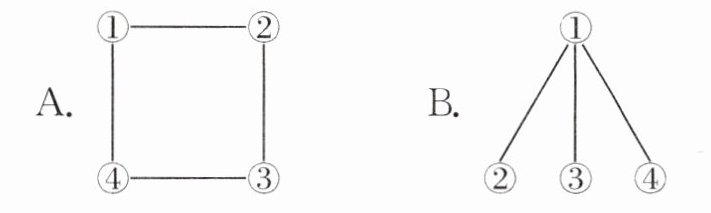
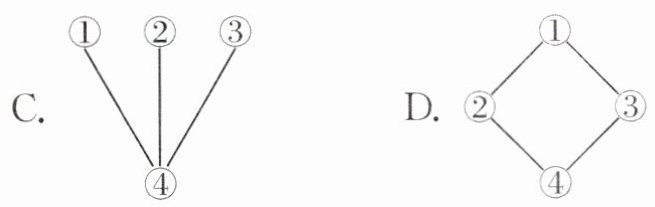
C
A. country B. hairstyle
C. school D. the World Cup
2. In Japan, most schools demand that students wear ______.
D
A. sports suits B. skirts
C. school uniforms D. all of the above
3. Why is chewing gum not allowed in many US school buildings?
C
A. Because it’s not good for students’ health.
B. Because it’s students’ duty to clean up the building.
C. Because it’s difficult to clean up.
D. Because it’s not polite.
4. Which of the following is TRUE?
D
A. The rules in each school don’t change from one to another.
B. The schools in Japan demand that the boys’ white socks should be folded in a certain way.
C. Strange hairstyles are not allowed at some British schools all the time.
D. The boys’ heads should be shaved in most Japanese schools.
5. 中考新考法 推断文章篇章结构 What is the right structure of the passage?
B
答案:
1.C [解析]主旨大意题。根据第一段中“Here are some funny school rules.”并结合全文可知,文章是关于一些校规的。故选 C。
2.D [解析]细节理解题。根据第二段中“Most schools demand(要求)that students wear uniforms(校服), such as sports suits or skirts.”可知,在日本大多数学校要求学生穿校服,如运动服或裙子。故选 D。
3.C [解析]细节理解题。根据第三段中“Chewing gum(口香糖) is not allowed(允许) in many US school buildings because it is difficult to clean up.”可知,在美国的许多学校不允许嚼口香糖,因为口香糖很难清理。故选 C。
4.D [解析]细节理解题。根据第二段中“boys' heads should be shaved(剃)”可知,日本大部分学校男孩要剃头发。故选 D。
5.B [解析]篇章结构题。通读全文可知,第一段点明主题——有很多有趣的校规,第二、三、四段分别介绍了不同国家学校的校规,所以文章为“总分”结构,选项 B 符合题意。故选 B。
2.D [解析]细节理解题。根据第二段中“Most schools demand(要求)that students wear uniforms(校服), such as sports suits or skirts.”可知,在日本大多数学校要求学生穿校服,如运动服或裙子。故选 D。
3.C [解析]细节理解题。根据第三段中“Chewing gum(口香糖) is not allowed(允许) in many US school buildings because it is difficult to clean up.”可知,在美国的许多学校不允许嚼口香糖,因为口香糖很难清理。故选 C。
4.D [解析]细节理解题。根据第二段中“boys' heads should be shaved(剃)”可知,日本大部分学校男孩要剃头发。故选 D。
5.B [解析]篇章结构题。通读全文可知,第一段点明主题——有很多有趣的校规,第二、三、四段分别介绍了不同国家学校的校规,所以文章为“总分”结构,选项 B 符合题意。故选 B。
查看更多完整答案,请扫码查看

