

 搜索
搜索
第83页
- 第1页
- 第2页
- 第3页
- 第4页
- 第5页
- 第6页
- 第7页
- 第8页
- 第9页
- 第10页
- 第11页
- 第12页
- 第13页
- 第14页
- 第15页
- 第16页
- 第17页
- 第18页
- 第19页
- 第20页
- 第21页
- 第22页
- 第23页
- 第24页
- 第25页
- 第26页
- 第27页
- 第28页
- 第29页
- 第30页
- 第31页
- 第32页
- 第33页
- 第34页
- 第35页
- 第36页
- 第37页
- 第38页
- 第39页
- 第40页
- 第41页
- 第42页
- 第43页
- 第44页
- 第45页
- 第46页
- 第47页
- 第48页
- 第49页
- 第50页
- 第51页
- 第52页
- 第53页
- 第54页
- 第55页
- 第56页
- 第57页
- 第58页
- 第59页
- 第60页
- 第61页
- 第62页
- 第63页
- 第64页
- 第65页
- 第66页
- 第67页
- 第68页
- 第69页
- 第70页
- 第71页
- 第72页
- 第73页
- 第74页
- 第75页
- 第76页
- 第77页
- 第78页
- 第79页
- 第80页
- 第81页
- 第82页
- 第83页
- 第84页
- 第85页
- 第86页
- 第87页
- 第88页
- 第89页
- 第90页
- 第91页
- 第92页
- 第93页
- 第94页
- 第95页
- 第96页
- 第97页
- 第98页
Ⅴ. (2024 陕西 A) 任务型阅读 (主题: 人与社会·科技发展)
The Internet is the best thing to happen since the creation of the alphabet. However, can you trust what you read on the Internet? Anyone in the world can put up a website on the Internet. Many people say that the things they read on the Internet may not be true. You need to be careful when you look through lots and lots of information. As you explore the Internet for information, here are some ideas to get the right things online.
First, check who wrote the website. Make sure that the writer is an expert. For example, if the topic is science, make sure the writer is a(n) ____▲____ or a science teacher. The expert can provide us with professional knowledge or statistics(统计数据) in the field. Make sure to study the statistics so that you can avoid making minor mistakes.
Next, make sure the site is there for a good reason, not a bad one. If the site is meant to fool you, you can be sure you can’t trust what’s on it. If the site is there to give you information, the information is more possibly good.
Also, check how old the information is. A good research engine(搜索引擎) can help you get a date when something was written. In many subjects, like science, new information replaces old information all the time.
Finally, train yourself to be a serious person about the information from websites. You can use other resources to check what you’ve got online.
If you follow these suggestions, you will become a better user of the Internet.
根据短文内容, 完成下列各题。
26. How many pieces of advice does the writer give?
The writer gives ______ pieces of advice.
27. What word(s) can you put in the
We can put “______” there.
28. Why should you study the statistics on the website?
Because we can avoid ______ if we do that.
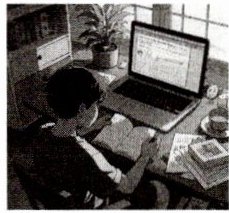
29. Which paragraph best matches the picture on the right?
It’s Paragraph ______ in the passage.
30. What’s the passage mainly about?
It’s about how to ______.
The Internet is the best thing to happen since the creation of the alphabet. However, can you trust what you read on the Internet? Anyone in the world can put up a website on the Internet. Many people say that the things they read on the Internet may not be true. You need to be careful when you look through lots and lots of information. As you explore the Internet for information, here are some ideas to get the right things online.
First, check who wrote the website. Make sure that the writer is an expert. For example, if the topic is science, make sure the writer is a(n) ____▲____ or a science teacher. The expert can provide us with professional knowledge or statistics(统计数据) in the field. Make sure to study the statistics so that you can avoid making minor mistakes.
Next, make sure the site is there for a good reason, not a bad one. If the site is meant to fool you, you can be sure you can’t trust what’s on it. If the site is there to give you information, the information is more possibly good.
Also, check how old the information is. A good research engine(搜索引擎) can help you get a date when something was written. In many subjects, like science, new information replaces old information all the time.
Finally, train yourself to be a serious person about the information from websites. You can use other resources to check what you’ve got online.
If you follow these suggestions, you will become a better user of the Internet.
根据短文内容, 完成下列各题。
26. How many pieces of advice does the writer give?
The writer gives ______ pieces of advice.
27. What word(s) can you put in the
We can put “______” there.
28. Why should you study the statistics on the website?
Because we can avoid ______ if we do that.
29. Which paragraph best matches the picture on the right?
It’s Paragraph ______ in the passage.
30. What’s the passage mainly about?
It’s about how to ______.
答案:
26. 4/four 27. scientist 28. making minor mistakes 29. 5/Five 30. get the right things online
词汇积累
1. explore /ɪk'splɔ:(r)/ v. ____
2. professional /prə'feʃənl/ adj. ____
1. explore /ɪk'splɔ:(r)/ v. ____
2. professional /prə'feʃənl/ adj. ____
答案:
1. 探索 2. 专业的
查看更多完整答案,请扫码查看

