

 搜索
搜索
第79页
- 第1页
- 第2页
- 第3页
- 第4页
- 第5页
- 第6页
- 第7页
- 第8页
- 第9页
- 第10页
- 第11页
- 第12页
- 第13页
- 第14页
- 第15页
- 第16页
- 第17页
- 第18页
- 第19页
- 第20页
- 第21页
- 第22页
- 第23页
- 第24页
- 第25页
- 第26页
- 第27页
- 第28页
- 第29页
- 第30页
- 第31页
- 第32页
- 第33页
- 第34页
- 第35页
- 第36页
- 第37页
- 第38页
- 第39页
- 第40页
- 第41页
- 第42页
- 第43页
- 第44页
- 第45页
- 第46页
- 第47页
- 第48页
- 第49页
- 第50页
- 第51页
- 第52页
- 第53页
- 第54页
- 第55页
- 第56页
- 第57页
- 第58页
- 第59页
- 第60页
- 第61页
- 第62页
- 第63页
- 第64页
- 第65页
- 第66页
- 第67页
- 第68页
- 第69页
- 第70页
- 第71页
- 第72页
- 第73页
- 第74页
- 第75页
- 第76页
- 第77页
- 第78页
- 第79页
- 第80页
- 第81页
- 第82页
- 第83页
- 第84页
- 第85页
- 第86页
- 第87页
一、(2023·盐城市射阳一模)方框选词。
good, as a result, treasure, of, appear, animal, produce, copy, invent, wide
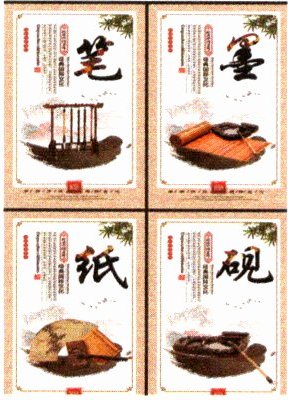
Chinese culture is broad and great. In China, writing brushes, ink sticks, paper and ink stones are called “the Four 1 of Study”. Among them, the writing brush produced in Huzhou, the ink stick produced in Huizhou, the xuan paper made in Xuancheng and the ink stone made in Duanxi are the 2 .
The writing brushes can be used to draw the pictures on painted potteries (陶器): They are mainly made of 3 hair. Those made of wool are called yanghao and those made of the weasel's (鼬) tail hair are called langhao. Their artistic effects in writing and painting cannot 4 by any other pen.
The ink stick is the colour used in writing and painting. The ink stick produced in Huizhou is 5 high quality. A story goes like this: Two famous skilled men Xi Chao and his son produced a kind of high - quality ink stick. 6 , the Emperor Li Yu in the Southern Tang dynasty agreed to give them the family name “Li”. From then on, the fame of the Li Ink Stick was 7 spread. In the Song dynasty, its producing area was changed into Huizhou, and it was then called the Hui Ink Stick.
Paper is among the four great 8 in ancient China. The famous xuan paper appeared in the Sui and Tang dynasties. In Xuancheng, Anhui Province, where the xuan paper is produced, it's said that Cai Lun's pupil Kong Dan took the job of 9 paper but failed to make perfect white paper. Later he happened to see the ebony (乌木) in the rivers. It was wet with water and turned white. Then he used the tree skins to produce the world - famous xuan paper.
The ink stone was already very popular in the Han dynasty. The Ming and Qing dynasties saw the 10 of the Four Famous Ink Stones—Duan Ink Stone, She Ink Stone, Tao Ink Stone and Chengni Ink Stone. They can not only be used in writing and painting but also for admiration.
good, as a result, treasure, of, appear, animal, produce, copy, invent, wide
Chinese culture is broad and great. In China, writing brushes, ink sticks, paper and ink stones are called “the Four 1 of Study”. Among them, the writing brush produced in Huzhou, the ink stick produced in Huizhou, the xuan paper made in Xuancheng and the ink stone made in Duanxi are the 2 .
The writing brushes can be used to draw the pictures on painted potteries (陶器): They are mainly made of 3 hair. Those made of wool are called yanghao and those made of the weasel's (鼬) tail hair are called langhao. Their artistic effects in writing and painting cannot 4 by any other pen.
The ink stick is the colour used in writing and painting. The ink stick produced in Huizhou is 5 high quality. A story goes like this: Two famous skilled men Xi Chao and his son produced a kind of high - quality ink stick. 6 , the Emperor Li Yu in the Southern Tang dynasty agreed to give them the family name “Li”. From then on, the fame of the Li Ink Stick was 7 spread. In the Song dynasty, its producing area was changed into Huizhou, and it was then called the Hui Ink Stick.
Paper is among the four great 8 in ancient China. The famous xuan paper appeared in the Sui and Tang dynasties. In Xuancheng, Anhui Province, where the xuan paper is produced, it's said that Cai Lun's pupil Kong Dan took the job of 9 paper but failed to make perfect white paper. Later he happened to see the ebony (乌木) in the rivers. It was wet with water and turned white. Then he used the tree skins to produce the world - famous xuan paper.
The ink stone was already very popular in the Han dynasty. The Ming and Qing dynasties saw the 10 of the Four Famous Ink Stones—Duan Ink Stone, She Ink Stone, Tao Ink Stone and Chengni Ink Stone. They can not only be used in writing and painting but also for admiration.
答案:
Treasures@@best@@animals'@@be copied@@of@@As a result@@widely@@inventions@@producing@@appearance
二、(2023·浙江宁波)完形填空。
新素养 价值导向 My grandfather often said “I won't” to show his dislike of dishonesty(不诚实). When he was young, he worked 1 a furniture(家具) maker. One day, a neighbour invited him to make some furniture. When arriving, he noticed the wood provided was a little 2 , so he said, “I won't start right away.” He chose to let the wood dry for a month. He knew working with wet wood could cause 3 later on.
Around the same time, another furniture maker was also asked for a 4 job by a different family. Unlike my grandfather, he 5 working right away. As a result, the neighbour started doubting my grandfather, thinking he was trying to make more money by 6 the work. However, my grandfather waited 7 . He wanted the best quality for the furniture he was making.
A month later, the other furniture maker received his 8 and went back home. My grandfather began to 9 strong and beautiful furniture when the wood was completely dry. A few months passed and the furniture made by that maker began to break. The neighbour then regretted 10 my grandfather and said sorry to him. People came to understand his 11 and skill, spreading his fame far and wide.
Influenced by my grandfather, my father also follows the 12 of “I won't”. He always provides the freshest food, which makes his restaurant very 13 in town. Once a trader wanted to sell some cheap but smelly seafood to my father, he said “No!” and stopped the 14 .
Now, my brother and I keep in mind 15 our grandfather and father taught us. Through ups and downs in life, we've come to deeply understand our family value behind this saying—to be truthful and honest.
1. A. as B. by C. like D. with
2. A. hard B. light C. soft D. wet
3. A. fire B. illness C. pollution D. problems
4. A. magic B. normal C. similar D. special
5. A. began B. cancelled C. kept D. stopped
6. A. checking out B. giving up C. putting off D. turning down
7. A. excitedly B. patiently C. sadly D. worriedly
8. A. food B. furniture C. money D. wood
9. A. clean B. make C. move D. repair
10. A. answering B. believing C. comforting D. doubting
11. A. fairness B. honesty C. love D. politeness
12. A. joy B. plan C. shape D. value
13. A. beautiful B. convenient C. peaceful D. popular
14. A. business B. competition C. interview D. survey
15. A. how B. what C. when D. why
新素养 价值导向 My grandfather often said “I won't” to show his dislike of dishonesty(不诚实). When he was young, he worked 1 a furniture(家具) maker. One day, a neighbour invited him to make some furniture. When arriving, he noticed the wood provided was a little 2 , so he said, “I won't start right away.” He chose to let the wood dry for a month. He knew working with wet wood could cause 3 later on.
Around the same time, another furniture maker was also asked for a 4 job by a different family. Unlike my grandfather, he 5 working right away. As a result, the neighbour started doubting my grandfather, thinking he was trying to make more money by 6 the work. However, my grandfather waited 7 . He wanted the best quality for the furniture he was making.
A month later, the other furniture maker received his 8 and went back home. My grandfather began to 9 strong and beautiful furniture when the wood was completely dry. A few months passed and the furniture made by that maker began to break. The neighbour then regretted 10 my grandfather and said sorry to him. People came to understand his 11 and skill, spreading his fame far and wide.
Influenced by my grandfather, my father also follows the 12 of “I won't”. He always provides the freshest food, which makes his restaurant very 13 in town. Once a trader wanted to sell some cheap but smelly seafood to my father, he said “No!” and stopped the 14 .
Now, my brother and I keep in mind 15 our grandfather and father taught us. Through ups and downs in life, we've come to deeply understand our family value behind this saying—to be truthful and honest.
1. A. as B. by C. like D. with
2. A. hard B. light C. soft D. wet
3. A. fire B. illness C. pollution D. problems
4. A. magic B. normal C. similar D. special
5. A. began B. cancelled C. kept D. stopped
6. A. checking out B. giving up C. putting off D. turning down
7. A. excitedly B. patiently C. sadly D. worriedly
8. A. food B. furniture C. money D. wood
9. A. clean B. make C. move D. repair
10. A. answering B. believing C. comforting D. doubting
11. A. fairness B. honesty C. love D. politeness
12. A. joy B. plan C. shape D. value
13. A. beautiful B. convenient C. peaceful D. popular
14. A. business B. competition C. interview D. survey
15. A. how B. what C. when D. why
答案:
A@@D@@D@@C@@A@@C@@B@@C@@B@@D@@B@@D@@D@@A@@B
查看更多完整答案,请扫码查看

