

 搜索
搜索
第59页
- 第1页
- 第2页
- 第3页
- 第4页
- 第5页
- 第6页
- 第7页
- 第8页
- 第9页
- 第10页
- 第11页
- 第12页
- 第13页
- 第14页
- 第15页
- 第16页
- 第17页
- 第18页
- 第19页
- 第20页
- 第21页
- 第22页
- 第23页
- 第24页
- 第25页
- 第26页
- 第27页
- 第28页
- 第29页
- 第30页
- 第31页
- 第32页
- 第33页
- 第34页
- 第35页
- 第36页
- 第37页
- 第38页
- 第39页
- 第40页
- 第41页
- 第42页
- 第43页
- 第44页
- 第45页
- 第46页
- 第47页
- 第48页
- 第49页
- 第50页
- 第51页
- 第52页
- 第53页
- 第54页
- 第55页
- 第56页
- 第57页
- 第58页
- 第59页
- 第60页
- 第61页
- 第62页
- 第63页
- 第64页
- 第65页
- 第66页
- 第67页
- 第68页
- 第69页
- 第70页
- 第71页
- 第72页
- 第73页
- 第74页
- 第75页
- 第76页
- 第77页
- 第78页
- 第79页
- 第80页
- 第81页
- 第82页
- 第83页
- 第84页
- 第85页
- 第86页
- 第87页
- 第88页
- 第89页
- 第90页
- 第91页
- 第92页
- 第93页
- 第94页
- 第95页
- 第96页
- 第97页
- 第98页
- 第99页
- 第100页
- 第101页
- 第102页
- 第103页
- 第104页
- 第105页
- 第106页
- 第107页
- 第108页
- 第109页
- 第110页
- 第111页
- 第112页
- 第113页
- 第114页
- 第115页
- 第116页
- 第117页
- 第118页
- 第119页
- 第120页
- 第121页
- 第122页
- 第123页
- 第124页
- 第125页
- 第126页
- 第127页
- 第128页
- 第129页
- 第130页
- 第131页
- 第132页
- 第133页
- 第134页
- 第135页
- 第136页
四、阅读理解(共15小题,每小题2分,满分30分)
A
Nature Walks Help
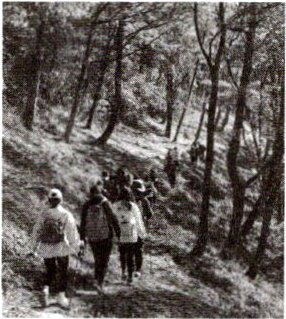
Scientists have found that a one - hour nature walk can decrease(减少) the activity in the amygdala(杏仁核), a part of the brain connected to stress and emotion(情绪).
The scientists studied the brains of 63 healthy volunteers before and after a one - hour walk. Half of the volunteers walked through the forest, while the rest walked along city streets with noisy traffic. Tests on the brains of the nature walkers showed decreased activity in the amygdala. But the change didn't happen to the volunteers walking along city streets.
Business Finland paid for 10 people to have a special lesson — "Masterclass of Happiness" from June 17.
During the lesson, experts from different fields helped the "students" understand more about what it means to be happy. The lesson was mainly on four different areas: nature and lifestyle, health and balance, design and "every day", and food and well - being.
Relaxing and Inspiration Areas
The "relaxing and inspiration areas" in the library go viral(风靡) among students. There are tables, chairs and green plants in the areas. There, students can talk, eat or take a break. They can also have a look at the beautiful city. After that, they can think of new ideas and study better.
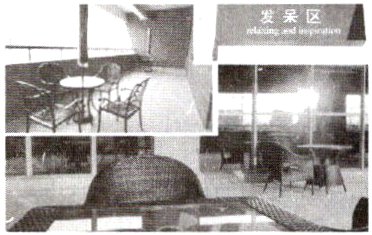
"It is OK to take a break when students feel tired. It can help them relax and think. I think more schools should have areas like these," says Wang Wenlong, a teacher at the university.
51. In which section of the newspaper can we read the news?
A. HUMAN & NATURE.
B. RELAX & HEALTH.
C. SPORTS & LIFE.
D. SCIENCE & TECHNOLOGY.
52. It's clear that ________.
A. walking can decrease the activity in the amygdala
B. the special lesson in Finland ended on June 17
C. all schools have areas where students can relax
D. the relaxing and inspiration areas are popular
53. What would be the best heading for the second piece of news?
A. A Lesson on Happiness
B. Change Lifestyle
C. Beautiful Countryside
D. Meet the Experts
54. Maybe scientists hope their research will ________.
A. push cities to solve the problem of noise pollution
B. help people discover the mysteries of the brains
C. pull more people together to protect the environment
D. encourage people to take more nature walks
55. From the news above, we can infer that ________.
A. the amygdala has nothing to do with emotion
B. the happiness lesson is all about health and balance
C. the more stress, the more activity in the amygdala
D. Wang Wenlong developed these areas for students
B
When Goldie Nejat began developing robots in 2005, she spent much of her time knocking on doors to let people know how her robots worked but few showed interest. “But now, it’s different,” says Nejat. “People calling from around the world ask when my robots are going to be ready.”
Nejat’s robots are designed to fill an increasing need: care - giving for the old. The population of the people over age 80 will be 426 million in 2050, three times larger than that now.
Such robots could be especially useful to the sick with Alzheimer’s disease (阿尔茨海默病). They can help with everyday activities from preparing food to asking the sick to take their medicine. They can also play games with the sick to keep them active.
Some have worried that care - giving robots might cut down human interaction(互动) and cause more humans to lose their jobs. “But the aim is to support human care, not to take the place of it,” says Brian Scassellati. He has taken many different tests and found that daily interaction with robots can help children with autism spectrum disorder(自闭症谱系障碍) improve social skills.
“One thing is clear,” Scassellati says. “Robots can provide care for the customers and more people will need care - giving robots in the future.”
56. Nejat’s robots are designed to ________.
A. work in the factory
B. make phone calls
C. take care of the old
D. knock on doors
57. The writer starts the passage by ________.
A. telling two stories
B. comparing two facts
C. raising a question
D. giving an example
58. The main idea of Paragraph 3 is ________.
A. what the robots can do
B. what serious problems the robots cause
C. what the old people can do
D. what the old people think of the robots
59. The underlined word “increasing” probably means “________”.
A. coming
B. normal
C. growing
D. proper
60. The best title for this passage may be “________”.
A. Future Robots
B. The Old with Robots
C. Great Goldie Nejat
D. Care - giving Robots
C
Zombies(僵尸) are real! You meet them every day on the sidewalk. They walk slowly, with their heads down and they will not look at you. They are living in a different world, a world of the mobile phone!
Many people are complaining (抱怨) about these mobile phone zombies because they walk slowly, making it difficult for other people to use the sidewalk. Chongqing and a few other cities have come up with an idea to try to solve the problem. They’ve divided up sidewalks into two lanes(线路): one lane for mobile - zombies and one lane for everyone else. ★, since most mobile - zombies don’t even notice the lanes.
I have another suggestion for the problem. Shanghai has blind paths. They are made of small raised tiles (凸起的瓷砖) that help blind people follow a straight line. Perhaps the same way could be used for mobile - zombies. A lane with a rough surface would allow people to put their heart into their mobile phones and still know they are walking in a straight line. Of course, I have a further suggestion. At the end of the lane, there would be a large hole where all the mobile - zombies would disappear into the center of the earth!
Well, I don’t think my suggestion is going to be taken, and I don’t think special lanes for mobile - zombies will work, either. I think it’s just a better idea to remind(提醒) people that sidewalks are shared space and they should think of others when they are using their mobile phones.
61. According to the passage, mobile phone zombies are the people who ________.
A. always look here and there on the road
B. like playing the zombie games
C. hate using mobile phones when they are walking
D. always play with mobile phones on the road
62. The lane for mobile - zombies in Chongqing hasn’t worked out well because ________.
A. it is too expensive to walk on the lane
B. few mobile - zombies notice the lane in fact
C. there are so few lanes in Chongqing
D. finally the mobile - zombies fall into a large hole
63. Which of the following can be put in ★?
A. The experiment hasn’t worked out too well
B. The problem is solved because of the two lanes
C. Mobile - zombies are pleased with this idea
D. The lane for mobile - zombies is too narrow
64. Which of the following is TRUE according to the passage?
A. Shanghai has also built lanes for the mobile - zombies.
B. The writer’s suggestion for the mobile - zombies was taken.
C. All the mobile - zombies will disappear on the earth in the end.
D. Mobile - zombies should think of others on the road.
65. The passage is mainly about ________.
A. special lanes divided up for mobile - zombies
B. different suggestions for the mobile - zombies
C. mobile - zombies complained by other people
D. the sidewalk problem caused by mobile - zombies
A
Nature Walks Help
Scientists have found that a one - hour nature walk can decrease(减少) the activity in the amygdala(杏仁核), a part of the brain connected to stress and emotion(情绪).
The scientists studied the brains of 63 healthy volunteers before and after a one - hour walk. Half of the volunteers walked through the forest, while the rest walked along city streets with noisy traffic. Tests on the brains of the nature walkers showed decreased activity in the amygdala. But the change didn't happen to the volunteers walking along city streets.
Business Finland paid for 10 people to have a special lesson — "Masterclass of Happiness" from June 17.
During the lesson, experts from different fields helped the "students" understand more about what it means to be happy. The lesson was mainly on four different areas: nature and lifestyle, health and balance, design and "every day", and food and well - being.
Relaxing and Inspiration Areas
The "relaxing and inspiration areas" in the library go viral(风靡) among students. There are tables, chairs and green plants in the areas. There, students can talk, eat or take a break. They can also have a look at the beautiful city. After that, they can think of new ideas and study better.
"It is OK to take a break when students feel tired. It can help them relax and think. I think more schools should have areas like these," says Wang Wenlong, a teacher at the university.
51. In which section of the newspaper can we read the news?
A. HUMAN & NATURE.
B. RELAX & HEALTH.
C. SPORTS & LIFE.
D. SCIENCE & TECHNOLOGY.
52. It's clear that ________.
A. walking can decrease the activity in the amygdala
B. the special lesson in Finland ended on June 17
C. all schools have areas where students can relax
D. the relaxing and inspiration areas are popular
53. What would be the best heading for the second piece of news?
A. A Lesson on Happiness
B. Change Lifestyle
C. Beautiful Countryside
D. Meet the Experts
54. Maybe scientists hope their research will ________.
A. push cities to solve the problem of noise pollution
B. help people discover the mysteries of the brains
C. pull more people together to protect the environment
D. encourage people to take more nature walks
55. From the news above, we can infer that ________.
A. the amygdala has nothing to do with emotion
B. the happiness lesson is all about health and balance
C. the more stress, the more activity in the amygdala
D. Wang Wenlong developed these areas for students
B
When Goldie Nejat began developing robots in 2005, she spent much of her time knocking on doors to let people know how her robots worked but few showed interest. “But now, it’s different,” says Nejat. “People calling from around the world ask when my robots are going to be ready.”
Nejat’s robots are designed to fill an increasing need: care - giving for the old. The population of the people over age 80 will be 426 million in 2050, three times larger than that now.
Such robots could be especially useful to the sick with Alzheimer’s disease (阿尔茨海默病). They can help with everyday activities from preparing food to asking the sick to take their medicine. They can also play games with the sick to keep them active.
Some have worried that care - giving robots might cut down human interaction(互动) and cause more humans to lose their jobs. “But the aim is to support human care, not to take the place of it,” says Brian Scassellati. He has taken many different tests and found that daily interaction with robots can help children with autism spectrum disorder(自闭症谱系障碍) improve social skills.
“One thing is clear,” Scassellati says. “Robots can provide care for the customers and more people will need care - giving robots in the future.”
56. Nejat’s robots are designed to ________.
A. work in the factory
B. make phone calls
C. take care of the old
D. knock on doors
57. The writer starts the passage by ________.
A. telling two stories
B. comparing two facts
C. raising a question
D. giving an example
58. The main idea of Paragraph 3 is ________.
A. what the robots can do
B. what serious problems the robots cause
C. what the old people can do
D. what the old people think of the robots
59. The underlined word “increasing” probably means “________”.
A. coming
B. normal
C. growing
D. proper
60. The best title for this passage may be “________”.
A. Future Robots
B. The Old with Robots
C. Great Goldie Nejat
D. Care - giving Robots
C
Zombies(僵尸) are real! You meet them every day on the sidewalk. They walk slowly, with their heads down and they will not look at you. They are living in a different world, a world of the mobile phone!
Many people are complaining (抱怨) about these mobile phone zombies because they walk slowly, making it difficult for other people to use the sidewalk. Chongqing and a few other cities have come up with an idea to try to solve the problem. They’ve divided up sidewalks into two lanes(线路): one lane for mobile - zombies and one lane for everyone else. ★, since most mobile - zombies don’t even notice the lanes.
I have another suggestion for the problem. Shanghai has blind paths. They are made of small raised tiles (凸起的瓷砖) that help blind people follow a straight line. Perhaps the same way could be used for mobile - zombies. A lane with a rough surface would allow people to put their heart into their mobile phones and still know they are walking in a straight line. Of course, I have a further suggestion. At the end of the lane, there would be a large hole where all the mobile - zombies would disappear into the center of the earth!
Well, I don’t think my suggestion is going to be taken, and I don’t think special lanes for mobile - zombies will work, either. I think it’s just a better idea to remind(提醒) people that sidewalks are shared space and they should think of others when they are using their mobile phones.
61. According to the passage, mobile phone zombies are the people who ________.
A. always look here and there on the road
B. like playing the zombie games
C. hate using mobile phones when they are walking
D. always play with mobile phones on the road
62. The lane for mobile - zombies in Chongqing hasn’t worked out well because ________.
A. it is too expensive to walk on the lane
B. few mobile - zombies notice the lane in fact
C. there are so few lanes in Chongqing
D. finally the mobile - zombies fall into a large hole
63. Which of the following can be put in ★?
A. The experiment hasn’t worked out too well
B. The problem is solved because of the two lanes
C. Mobile - zombies are pleased with this idea
D. The lane for mobile - zombies is too narrow
64. Which of the following is TRUE according to the passage?
A. Shanghai has also built lanes for the mobile - zombies.
B. The writer’s suggestion for the mobile - zombies was taken.
C. All the mobile - zombies will disappear on the earth in the end.
D. Mobile - zombies should think of others on the road.
65. The passage is mainly about ________.
A. special lanes divided up for mobile - zombies
B. different suggestions for the mobile - zombies
C. mobile - zombies complained by other people
D. the sidewalk problem caused by mobile - zombies
答案:
51—55 BDADC 56—60 CBACD 61—65 DBADD
查看更多完整答案,请扫码查看

