

 搜索
搜索
第89页
- 第1页
- 第2页
- 第3页
- 第4页
- 第5页
- 第6页
- 第7页
- 第8页
- 第9页
- 第10页
- 第11页
- 第12页
- 第13页
- 第14页
- 第15页
- 第16页
- 第17页
- 第18页
- 第19页
- 第20页
- 第21页
- 第22页
- 第23页
- 第24页
- 第25页
- 第26页
- 第27页
- 第28页
- 第29页
- 第30页
- 第31页
- 第32页
- 第33页
- 第34页
- 第35页
- 第36页
- 第37页
- 第38页
- 第39页
- 第40页
- 第41页
- 第42页
- 第43页
- 第44页
- 第45页
- 第46页
- 第47页
- 第48页
- 第49页
- 第50页
- 第51页
- 第52页
- 第53页
- 第54页
- 第55页
- 第56页
- 第57页
- 第58页
- 第59页
- 第60页
- 第61页
- 第62页
- 第63页
- 第64页
- 第65页
- 第66页
- 第67页
- 第68页
- 第69页
- 第70页
- 第71页
- 第72页
- 第73页
- 第74页
- 第75页
- 第76页
- 第77页
- 第78页
- 第79页
- 第80页
- 第81页
- 第82页
- 第83页
- 第84页
- 第85页
- 第86页
- 第87页
- 第88页
- 第89页
- 第90页
- 第91页
- 第92页
- 第93页
- 第94页
- 第95页
- 第96页
仔细观察以下图片,写出每幅图相对应的活动短语。
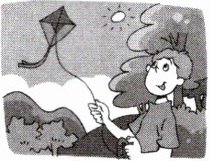
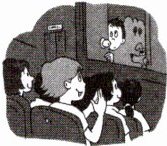
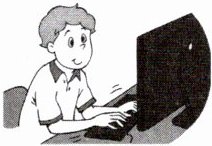
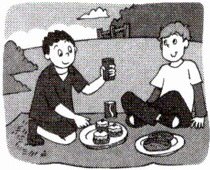 ______ ______ ______ ______ ______ ______ ______ ______
______ ______ ______ ______ ______ ______ ______ ______
答案:
fly a kite
go to the cinema
chat on the Internet
have a picnic
go to the cinema
chat on the Internet
have a picnic
1. 与你的同伴交流,询问他/她的朋友周末都做些什么。
A: What do you do at weekends, ... ?
B: I usually ...
A: What does ... do at weekends?
B: He/She usually ...
A: What do you do at weekends, ... ?
B: I usually ...
A: What does ... do at weekends?
B: He/She usually ...
答案:
2.(1)一般直接在动词词尾加s;(2)以o结尾的动词加es,
以 s,x,ch,s字母结尾的动词,后面加es;(3)以辅音字
母加y结尾的动词,先将y变i,再加-es;(5)特殊情况:
have-has.
以 s,x,ch,s字母结尾的动词,后面加es;(3)以辅音字
母加y结尾的动词,先将y变i,再加-es;(5)特殊情况:
have-has.
2. 找一找,一般现在时中动词的第三人称单数形式转换有哪些规律? 词尾的读音有变化吗?
答案:
3. 想一想 always、usually、often、sometimes 这些频度副词有哪些异同。与你的伙伴们讨论一下吧!
答案:
3.同:这些频度副词都是表示做事情的频率。在句中习惯上位于be动词、助动词之后,行为动词之前。
异:(1)程度不同,always频度最大,意为“总是,永远”;usually意为“通常”,即很少例外,频度第
2;often意为“经常”,频度第3;sometimes意为“有时候”,频度最小。(2)位置不同,只有sometimes
还可以放在句首或者句尾。often可放在句中和句尾,习惯上不放在句首。
异:(1)程度不同,always频度最大,意为“总是,永远”;usually意为“通常”,即很少例外,频度第
2;often意为“经常”,频度第3;sometimes意为“有时候”,频度最小。(2)位置不同,只有sometimes
还可以放在句首或者句尾。often可放在句中和句尾,习惯上不放在句首。
1. 选择合适的词汇填空。
(1) We often ______ (have/has) dinner with our grandparents.
(2) She sometimes ______ (go/goes) to the cinema with her friends.
(3) Helen often ______ (fly/flies) a kite in the park.
(1) We often ______ (have/has) dinner with our grandparents.
(2) She sometimes ______ (go/goes) to the cinema with her friends.
(3) Helen often ______ (fly/flies) a kite in the park.
答案:
have
goes
flies
goes
flies
2. 连词成句,注意词间距离、标点符号和大小写。
(1) does, Helen, do, what, at, weekends (?)
What ______ Helen ______ ______ weekends?
(2) Liu Tao, I, usually, with, play, football (.)
______ ______ play football ______ ______.
(3) dancing, she, always, has, lessons (.)
______ always ______ ______ lessons.
(1) does, Helen, do, what, at, weekends (?)
What ______ Helen ______ ______ weekends?
(2) Liu Tao, I, usually, with, play, football (.)
______ ______ play football ______ ______.
(3) dancing, she, always, has, lessons (.)
______ always ______ ______ lessons.
答案:
does
do
at
I
usually
with
Liu Tao
She
has
dancing
do
at
I
usually
with
Liu Tao
She
has
dancing
同学们的周末活动一定很精彩吧!先用上本课的句型互相交流一下,再试着选择一个对话写下来吧! 如果你能将下列句子补充完整,请为自己画一个笑脸吧!
A: What do you do at weekends, ... ? B: I always/usually/often/sometimes ...
A: What about you? C: I ...
A: What does ... do at weekends? D: He/She ...
______? ______.
A: What do you do at weekends, ... ? B: I always/usually/often/sometimes ...
A: What about you? C: I ...
A: What does ... do at weekends? D: He/She ...
______? ______.
答案:
What does Mike do at weekends
He often plays football
He often plays football
查看更多完整答案,请扫码查看

