

 搜索
搜索
第28页
- 第2页
- 第3页
- 第4页
- 第5页
- 第6页
- 第7页
- 第8页
- 第9页
- 第10页
- 第11页
- 第12页
- 第13页
- 第14页
- 第15页
- 第16页
- 第17页
- 第18页
- 第19页
- 第20页
- 第21页
- 第22页
- 第23页
- 第24页
- 第25页
- 第26页
- 第27页
- 第28页
- 第29页
- 第30页
- 第31页
- 第32页
- 第33页
- 第34页
- 第35页
- 第36页
- 第37页
- 第38页
- 第39页
- 第40页
- 第41页
- 第42页
- 第43页
- 第44页
- 第45页
- 第46页
- 第47页
- 第48页
- 第49页
- 第50页
- 第51页
- 第52页
- 第53页
- 第54页
- 第55页
- 第56页
- 第57页
- 第58页
- 第59页
- 第60页
- 第61页
- 第62页
- 第63页
- 第64页
- 第65页
- 第66页
- 第67页
- 第68页
- 第69页
- 第70页
- 第71页
- 第72页
一 新考法 用“↗”或“↘”标出下列句子的语调。
( )1. David wore magic clothes at the party.
( )2. What an interesting fashion show!
( )3. Please catch a fish for me!
( )4. Did you have a good time during the holiday?
( )5. How many terms are there in a school year in the UK?
( )1. David wore magic clothes at the party.
( )2. What an interesting fashion show!
( )3. Please catch a fish for me!
( )4. Did you have a good time during the holiday?
( )5. How many terms are there in a school year in the UK?
答案:
【解析】:
这道题目是关于英语句子的语调标注。在英语中,不同的句子类型和语境通常会有不同的语调。一般来说,陈述句常用降调(↘),而疑问句常用升调(↗)。感叹句一般也用降调(↘),因为它表达一种强烈的情感。祈使句,表示请求或命令的句子,可以用升调也可以用降调,但在这里的语境下,考虑到是请求对方做某事,可以用升调来表示一种委婉的请求。
1. 第一个句子是一个陈述句,描述David在聚会上穿了魔法衣服,所以使用降调。
2. 第二个句子是一个感叹句,表达对时装秀的赞叹,所以使用降调。
3. 第三个句子是一个祈使句,请求对方为自己抓鱼,这里使用升调表示委婉的请求。
4. 第四个句子是一个一般疑问句,询问对方假期是否过得愉快,所以使用升调。
5. 第五个句子也是一个特殊疑问句,询问英国一学年有多少个学期,所以使用降调。
【答案】:
1. David wore magic clothes at the party. ↘
2. What an interesting fashion show! ↘
3. Please catch a fish for me! ↗
4. Did you have a good time during the holiday? ↗
5. How many terms are there in a school year in the UK? ↘
这道题目是关于英语句子的语调标注。在英语中,不同的句子类型和语境通常会有不同的语调。一般来说,陈述句常用降调(↘),而疑问句常用升调(↗)。感叹句一般也用降调(↘),因为它表达一种强烈的情感。祈使句,表示请求或命令的句子,可以用升调也可以用降调,但在这里的语境下,考虑到是请求对方做某事,可以用升调来表示一种委婉的请求。
1. 第一个句子是一个陈述句,描述David在聚会上穿了魔法衣服,所以使用降调。
2. 第二个句子是一个感叹句,表达对时装秀的赞叹,所以使用降调。
3. 第三个句子是一个祈使句,请求对方为自己抓鱼,这里使用升调表示委婉的请求。
4. 第四个句子是一个一般疑问句,询问对方假期是否过得愉快,所以使用升调。
5. 第五个句子也是一个特殊疑问句,询问英国一学年有多少个学期,所以使用降调。
【答案】:
1. David wore magic clothes at the party. ↘
2. What an interesting fashion show! ↘
3. Please catch a fish for me! ↗
4. Did you have a good time during the holiday? ↗
5. How many terms are there in a school year in the UK? ↘
二 选择合适的单词补全句子。
1. It is time ______ (for/to) English class.
2. There ______ (had/was) a car show in the park this morning.
3. Tina is ______ ( excited/exciting ) about the film.
4. The show went ______ ( good/well) last Sunday. All of us were happy.
1. It is time ______ (for/to) English class.
2. There ______ (had/was) a car show in the park this morning.
3. Tina is ______ ( excited/exciting ) about the film.
4. The show went ______ ( good/well) last Sunday. All of us were happy.
答案:
1. for 2. was 3. excited 4. well
( )1.Look! The children in the playground ______ the ______ running race.
A.are watching; excited
B.is watching; exciting
C.are watching; exciting
A.are watching; excited
B.is watching; exciting
C.are watching; exciting
答案:
1. C 【解析】主语为复数,be 动词用 are; excited 意为"感到兴奋的",修饰人; exciting 意为"令人兴奋的",修饰事物。此处修饰跑步比赛,故用 exciting。
( )2.—______ Liu Tao ______ on Sundays?
—No, he often goes swimming.
A.Did; go fishing
B.Does; go fishing
C.Is; goes fishing
—No, he often goes swimming.
A.Did; go fishing
B.Does; go fishing
C.Is; goes fishing
答案:
2. B
( )3.They often catch fish ______ me from the river.
A.to
B.for
C.of
A.to
B.for
C.of
答案:
3. B
( )4.Lucy ______ home yesterday.
A.walked to
B.walked
C.walks
A.walked to
B.walked
C.walks
答案:
4. B 【解析】home 是地点副词,前面不加 to,所以"走路回家"的英文表达为 walk home;根据 yesterday 可知时态为一般过去时。
( )5.There are usually three terms in a school year in ______. They are the ______ term, the ______ term and the ______ term.
A. the UK; autumn; spring; summer
B. China; spring; summer; autumn
C. Canada; autumn; winter; fall
A. the UK; autumn; spring; summer
B. China; spring; summer; autumn
C. Canada; autumn; winter; fall
答案:
5. A
四 根据提示,填入恰当的单词或词组,并将句子和对应的图片连线。
1. The ______ ______ is one of the most famous wonders (奇迹) in the world.
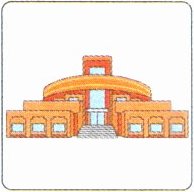
2. I saw many interesting things in the Shanghai M______.
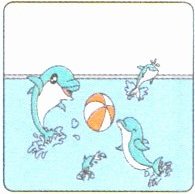
3. She is excited about the a______ s______.
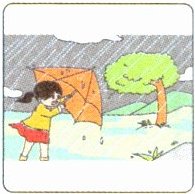
4. There was h______ ______ yesterday evening.
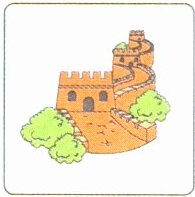
1. The ______ ______ is one of the most famous wonders (奇迹) in the world.
2. I saw many interesting things in the Shanghai M______.
3. She is excited about the a______ s______.
4. There was h______ ______ yesterday evening.
答案:
1. Great Wall—D 2. Museum—C 3. animal show—A 4. heavy rain—B
五 按要求改写句子。
1. Yang Ling watched TV at home on Sunday. (对画线部分提问)
What ______ Yang Ling ______ at home on Sunday?
2. The old woman ate a big apple. (改为否定句)
The old woman ______ ______ a big apple.
3. I was in Nanjing yesterday. (改为一般疑问句)
______ ______ in Nanjing yesterday?
4. His mother gave an orange to him. (改为同义句)
His mother ______ ______ an orange.
5. They had an English lesson last Monday. (用 on Mondays 替换 last Monday 改写句子)
______ ______ an English lesson on Mondays.
1. Yang Ling watched TV at home on Sunday. (对画线部分提问)
What ______ Yang Ling ______ at home on Sunday?
2. The old woman ate a big apple. (改为否定句)
The old woman ______ ______ a big apple.
3. I was in Nanjing yesterday. (改为一般疑问句)
______ ______ in Nanjing yesterday?
4. His mother gave an orange to him. (改为同义句)
His mother ______ ______ an orange.
5. They had an English lesson last Monday. (用 on Mondays 替换 last Monday 改写句子)
______ ______ an English lesson on Mondays.
答案:
1. did; do 2. didn't eat 3. Were you 4. gave him 5. They have
查看更多完整答案,请扫码查看

