

 搜索
搜索
第105页
- 第1页
- 第2页
- 第3页
- 第4页
- 第5页
- 第6页
- 第7页
- 第8页
- 第9页
- 第10页
- 第11页
- 第12页
- 第13页
- 第14页
- 第15页
- 第16页
- 第17页
- 第18页
- 第19页
- 第20页
- 第21页
- 第22页
- 第23页
- 第24页
- 第25页
- 第26页
- 第27页
- 第28页
- 第29页
- 第30页
- 第31页
- 第32页
- 第33页
- 第34页
- 第35页
- 第36页
- 第37页
- 第38页
- 第39页
- 第40页
- 第41页
- 第42页
- 第43页
- 第44页
- 第45页
- 第46页
- 第47页
- 第48页
- 第49页
- 第50页
- 第51页
- 第52页
- 第53页
- 第54页
- 第55页
- 第56页
- 第57页
- 第58页
- 第59页
- 第60页
- 第61页
- 第62页
- 第63页
- 第64页
- 第65页
- 第66页
- 第67页
- 第68页
- 第69页
- 第70页
- 第71页
- 第72页
- 第73页
- 第74页
- 第75页
- 第76页
- 第77页
- 第78页
- 第79页
- 第80页
- 第81页
- 第82页
- 第83页
- 第84页
- 第85页
- 第86页
- 第87页
- 第88页
- 第89页
- 第90页
- 第91页
- 第92页
- 第93页
- 第94页
- 第95页
- 第96页
- 第97页
- 第98页
- 第99页
- 第100页
- 第101页
- 第102页
- 第103页
- 第104页
- 第105页
五、阅读理解。
The ocean is not a quiet place. This is partly caused by sea animals. They use sound to find what they eat, whom they play with, or which place they move towards. But noise from human activities is increasingly troubling the lives of ocean animals.
According to scientists, loud noise may increase mass strandings(大规模搁浅) of sea animals. Researchers recorded only five of these events in the first half of the 20th century. From 1950 to 2004, they recorded more than 1,200 mass strandings. This is perhaps because of the use of sonar(声呐) underwater. Another main reason of loud underwater noise is pile driving(打桩). Piles are supports for bridges, oil and gas producing areas. They're driven deep into the floor of the ocean. Driving in a single pile can take several hours and as many as 5,000 hits. This process creates a lot of noise.
To restrain that noise, some companies are making use of tiny bubbles(气泡). A single bubble is easily broken. However, the bubble wall can make pile driving quieter. The bubble wall is usually created in this way: A tube(管) is placed in a ring around a pile. Air is then let out through closely spaced openings on the tube. When the bubbles rise, they act as walls and take in some of the noise. Some more of the sound reflects(反射) back and becomes stuck inside the wall. Such bubble walls are really helpful.
Other changes to pile driving can help as well. For example, people can take breaks in pile driving and let animals travel through.
Our noise in the ocean is causing big problems. But small changes in our behaviour can make a big difference to animals' lives in the world's oceans.
(
A. ①②
B. ③④
C. ①③
D. ②④
(
A. Control.
B. Increase.
C. Make.
D. Begin.
(
A. Culture.
B. Health.
C. Education.
D. Nature.
(
The ocean is not a quiet place. This is partly caused by sea animals. They use sound to find what they eat, whom they play with, or which place they move towards. But noise from human activities is increasingly troubling the lives of ocean animals.
According to scientists, loud noise may increase mass strandings(大规模搁浅) of sea animals. Researchers recorded only five of these events in the first half of the 20th century. From 1950 to 2004, they recorded more than 1,200 mass strandings. This is perhaps because of the use of sonar(声呐) underwater. Another main reason of loud underwater noise is pile driving(打桩). Piles are supports for bridges, oil and gas producing areas. They're driven deep into the floor of the ocean. Driving in a single pile can take several hours and as many as 5,000 hits. This process creates a lot of noise.
To restrain that noise, some companies are making use of tiny bubbles(气泡). A single bubble is easily broken. However, the bubble wall can make pile driving quieter. The bubble wall is usually created in this way: A tube(管) is placed in a ring around a pile. Air is then let out through closely spaced openings on the tube. When the bubbles rise, they act as walls and take in some of the noise. Some more of the sound reflects(反射) back and becomes stuck inside the wall. Such bubble walls are really helpful.
Other changes to pile driving can help as well. For example, people can take breaks in pile driving and let animals travel through.
Our noise in the ocean is causing big problems. But small changes in our behaviour can make a big difference to animals' lives in the world's oceans.
(
B
)1. Which paragraphs show how humans make changes to pile driving?A. ①②
B. ③④
C. ①③
D. ②④
(
A
)2. What does the underlined word “restrain” in Paragraph 3 mean?A. Control.
B. Increase.
C. Make.
D. Begin.
(
D
)3. In which part of a magazine can you read the text?A. Culture.
B. Health.
C. Education.
D. Nature.
(
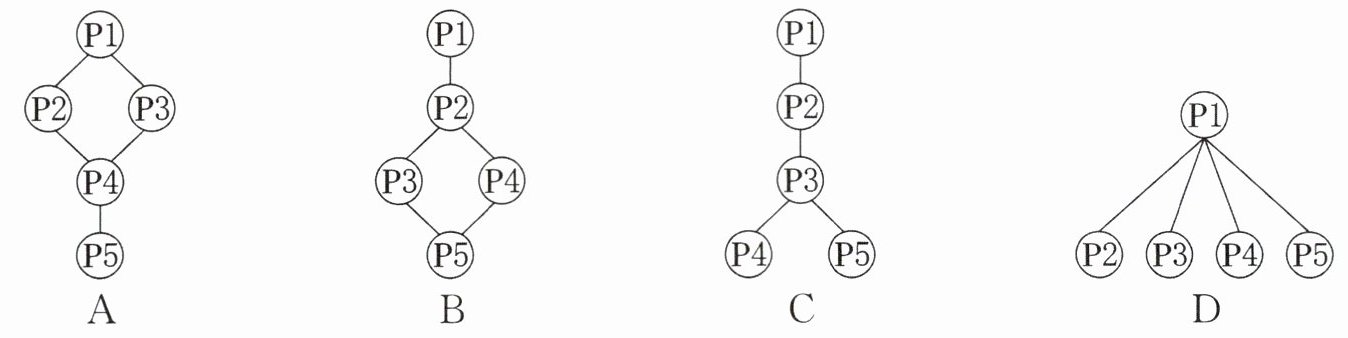
B
)4. What is the structure of the text? (P= paragraph)
答案:
1. B 2. A 3. D 4. B
查看更多完整答案,请扫码查看

