

 搜索
搜索
第20页
- 第1页
- 第2页
- 第3页
- 第4页
- 第5页
- 第6页
- 第7页
- 第8页
- 第9页
- 第10页
- 第11页
- 第12页
- 第13页
- 第14页
- 第15页
- 第16页
- 第17页
- 第18页
- 第19页
- 第20页
- 第21页
- 第22页
- 第23页
- 第24页
- 第25页
- 第26页
- 第27页
- 第28页
- 第29页
- 第30页
- 第31页
- 第32页
- 第33页
- 第34页
- 第35页
- 第36页
- 第37页
- 第38页
- 第39页
- 第40页
- 第41页
- 第42页
- 第43页
- 第44页
- 第45页
- 第46页
- 第47页
- 第48页
- 第49页
- 第50页
- 第51页
- 第52页
- 第53页
- 第54页
- 第55页
- 第56页
- 第57页
- 第58页
- 第59页
- 第60页
- 第61页
- 第62页
- 第63页
- 第64页
- 第65页
- 第66页
- 第67页
- 第68页
- 第69页
- 第70页
- 第71页
- 第72页
- 第73页
- 第74页
- 第75页
- 第76页
- 第77页
- 第78页
- 第79页
- 第80页
1. There are so many
2. Look! The bus is
3. You must
4.
pictures
(picture/pictures) of football players.2. Look! The bus is
coming
(come/coming).3. You must
pay
(pay/pays) attention to
(to/at) the traffic lights.4.
Don't
(Don't/Not) go at a red light.
答案:
1. pictures 【点拨】根据 many 可知,picture 用复数形式。2. coming 【点拨】根据“Look!”可知,该句的时态为现在进行时。3. pay; to 【点拨】must 为情态动词,后面的动词用原形;pay attention to...注意……。4. Don't 【点拨】该句为 Do 型祈使句,变否定句直接在动词前加 Don't。
(
A.by
B.take
C.on
B
) 1.You can ______ the No. 205 bus to the science museum.A.by
B.take
C.on
答案:
B 【点拨】乘坐 205 路公交车用“take the No. 205 bus”来表示。
(
A.light
B.sign
C.traffic
C
) 2.It's 6:00 p.m. The ______ at this crossing is very busy.A.light
B.sign
C.traffic
答案:
C 【点拨】根据句意可知,下午六点路口的交通很繁忙,故选 C。
(
A.walk
B.walks
C.walking
A
) 3.Don't ______ on the grass.A.walk
B.walks
C.walking
答案:
A 【点拨】Don't 后加动词原形。
(
A.right
B.left
C.straight
B
) 4.You must look ______ first before you cross the road in Shanghai.A.right
B.left
C.straight
答案:
B 【点拨】上海的交通规则是靠右行驶,所以过马路时要先向左看,故选 B。
(
A.helmet
B.hat
C.cap
A
) 5.In the USA, people on bikes must wear a ______.A.helmet
B.hat
C.cap
答案:
A 【点拨】在美国,人们骑自行车的时候必须要佩戴头盔,故选 A。
1. —What does the sign mean?
—It means "
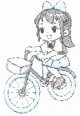
2. —Do you go to school by subway?
—
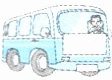
3. —How can I get to the library?
—
4. —What must I do?
—
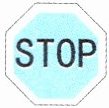
—It means "
Don't touch.
". 2. —Do you go to school by subway?
—
No, I don't.
3. —How can I get to the library?
—
You can get there by bus.
4. —What must I do?
—
You must stop.
答案:
1. Don't touch.2. No, I don't.3. You can get there by bus.4. You must stop.
(一)根据材料,判断句子正(T)误(F)。
(
(
(
(二)根据材料,选择正确答案。
(
A. 10:00 a.m. B. 2:00 p.m. C. 5:00 p.m.
(
A. 自由的 B. 免费的 C. 收费的
(
T
) 1. If you take a child and the child is 1.1 metres tall, he doesn't need to buy a ticket.(
T
) 2. You can take the subway at 10:00 p.m.(
F
) 3. We can touch the door on the subway.(二)根据材料,选择正确答案。
(
C
) 1. There are usually a lot of people at ______ on weekdays.A. 10:00 a.m. B. 2:00 p.m. C. 5:00 p.m.
(
B
) 2. The underlined word "free" means "______". 新考法·词义猜测A. 自由的 B. 免费的 C. 收费的
答案:
(一)1. T 【点拨】根据“If you take a child under 1.2 metres(米)tall, the child does not need to buy a ticket.”可知,如果你带一个身高 1.2 米以下の孩子,这个孩子不需要买票,故答案为 T。2. T 【点拨】根据“Opening hours: 6:00 a.m.-11:00 p.m.”可知早上 6 点到晚上 11 点可以坐地铁,故答案为 T。3. F 【点拨】根据第三个交通标志可知在地铁上不能触碰门,故答案为 F。(二)1. C 【点拨】根据“On weekdays, there are usually a lot of people before 9:30 a.m. and between 4:00 p.m. and 6:00 p.m.”可知,在工作日,上午 9 点半之前和下午 4 点到 6 点之间通常有很多人,故选 C。2. B
查看更多完整答案,请扫码查看

